
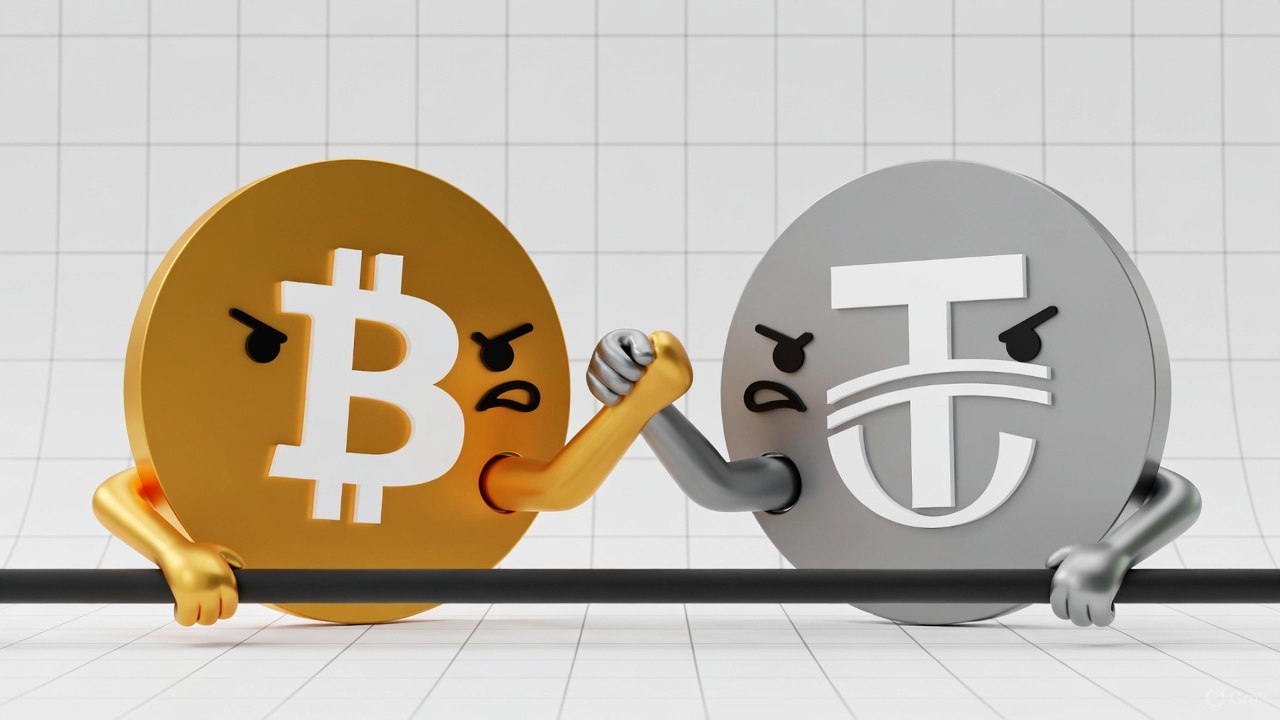
The value of bitcoin from its first to second decade is changing, says Bitfinex specialist.
Cryptocurrency users don’t care much about censorship, Bastardo emphasizes.
Although bitcoin (BTC) is still considered an idyllic tool for transferring money globally, the narrative around the asset has taken on new nuances as the ecosystem has evolved.
In this context, stablecoins – especially those linked to the dollar, such as tether (USDT) or usdc coin (USDC) – have established themselves as tools for millions of users looking to transfer money quickly and economically, without exposing themselves to abrupt market movements.
According to Venezuelan Javier Bastardo, in charge of communication for the Bitfinex cryptocurrency exchange, This phenomenon is directly influencing the way bitcoin is used—and perceived..
Bastard underlines that, during the first decade of BTC’s existence (2008–2018), its main innovation was the ability to transfer value globally without censorship. He adds that, back then, “stablecoins were not that popular.”
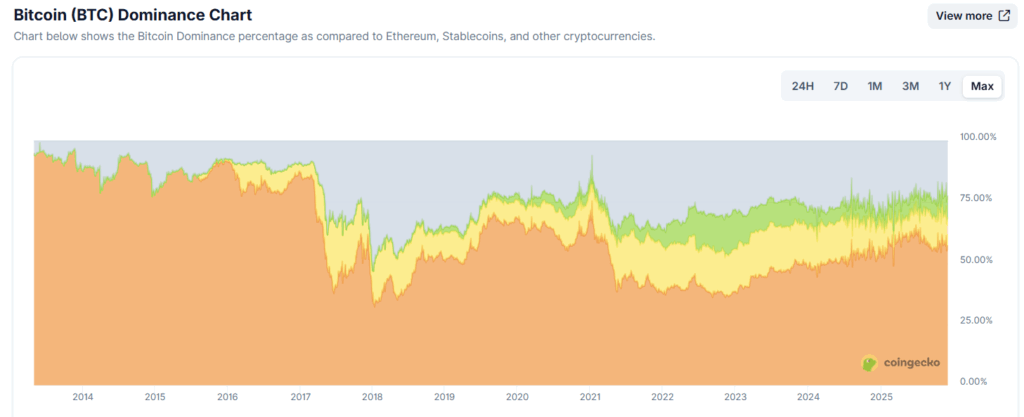
«Today stablecoins supply that first element [transferir valor]without its users caring much about the second [la censura]», he pointed out. Censorship in this sense refers to the fact that cryptocurrencies with centralized power, such as USDT and USDC, can be frozen, unlike decentralized ones such as bitcoin. For him, Most people don’t feel the need for—or don’t see the importance—of the resistance to external control that bitcoin offers..
This change in priorities has shaped a new ecosystem, where investment funds, banks and other institutional actors have entered with force. Bastardo argues that this massive influx has raised the price of BTC to levels that induce many individual users to sell, thus driving away those who might adopt the currency for the first time.

Bitcoin retains its essence
Even so, the Bitfinex representative emphasize that This phenomenon does not invalidate the original proposal of bitcoin or decrease its value. Rather, it sees its second decade as representing a new stage in its history. He believes that BTC continues to offer the same today as it did since its creation, and that individual users can still access the same type of opportunities that the most sophisticated investors seek.
This approach is also reflected in the vision of specialists such as Rodolfo Andragnes, founder of the NGO Bitcoin Argentina. According to him, betting on their long-term success becomes less and less risky. “You are not late for bitcoin, it is simply becoming easier to understand it and the risk of failure decreases,” he said.
Although stablecoins are increasingly used for everyday transactions, especially in emerging markets, bitcoin retains its essence as a scarce asset and possible refuge from economic uncertainty. Its adoption may be slower among individual users, but, as enthusiasts point out, time is not an obstacle for those seeking to understand and take advantage of its long-term potential.
Today, a large part of the market sees it more as a store of value than a means of payment. This vision has been reinforced even in times of strong volatility, due to its limited capacity of 21 million units available for mining.
Well, as reported by CriptoNoticias, figures such as Samson Mow, CEO of Jan3, have insisted that the fundamentals of BTC remain intact. In his opinion, price fluctuations do not alter its role as a possible means of protectionin a world marked by growing public debt and monetary expansion.
The truth is that the volatility of bitcoin has pushed the ecosystem to specialize: while BTC is positioned as a scarce and inflation-resistant asset, other tools have taken over in everyday transactional use.