German Justice Minister Stefanie Hubig said on Friday the government is preparing a new law to criminalize pornographic deepfakes, stepping up efforts to combat digital violence against women.
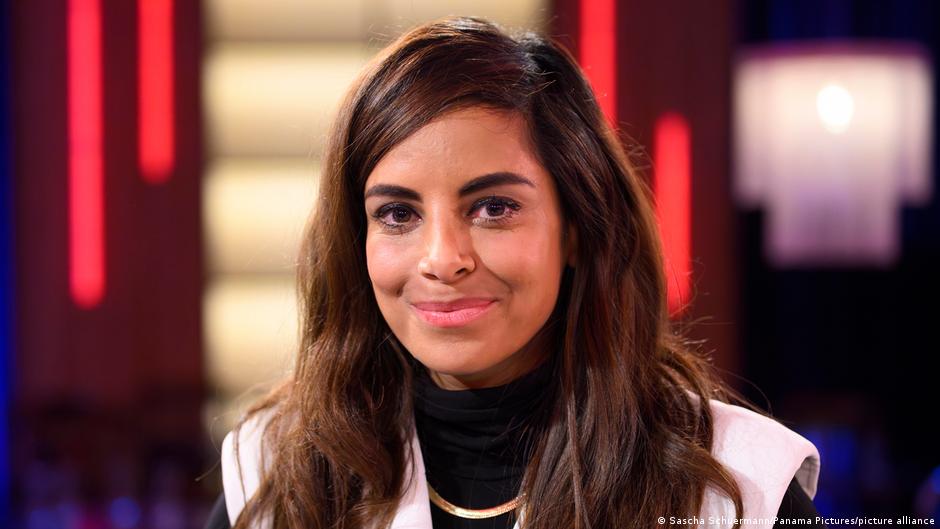
The move follows a complaint by actress Colleen Fernandes, who has spoken out about deepfake pornography and filed a case against her ex-husband, accusing her of identity theft and sexual digital abuse.
How is Germany planning to tackle deepfake pornography?
Hubig’s ministry spokesman EK Hosemann said a draft law is “practically finished” and will be presented “very soon”, aimed at closing shortcomings in the existing law.
“The aim is to make the production and distribution of such deepfakes a criminal offense,” Hossmann said, adding that Germany “lags behind technological developments in this area.”
Hubig himself said the law would mean giving police more powers to search suspects’ devices.
“We want to ensure that criminals can no longer feel safe, that they should expect to be identified and effectively prosecuted,” Hubig told the German broadcaster.
How can the law stop sexual deepfakes?
Under the law, creating and distributing such material should be clearly punishable, the minister said, warning offenders that they should expect to be identified and prosecuted.
The draft will also include civil measures to make it easier for victims to take action against platforms, including the right to obtain information about perpetrators and enforce account suspensions.
Officials say enforcement remains complex due to international networks and rapidly evolving technologies.
Politicians from all parties have supported stronger security, while advocacy groups have warned that Germany’s legal system is not yet equipped to deal with this form of violence.
The President of the UN General Assembly and former German Foreign Minister told Funke Media Group that Germany has fallen behind other countries in terms of online abuse.
She said she too has experienced digital violence, as have 60% of women and girls in Germany.
What do we know about the Fernandes case?
Fernandes and her former husband, Christian Ullmann, were prominent TV personalities in Germany. They were living together on the Spanish island of Majorca until their separation in 2025.
Fernandes discovered hundreds of fake pornographic photos of her online as well as on social media accounts that pretended to be her.
She then began to suspect her then-husband of being behind the online abuse, as widely reported in the German media.
The German Women’s Council said the Fernandes case shows the urgent need for reform, arguing that the legal system is not yet equipped to handle this form of abuse.
Fernandes has also made serious allegations against her ex-husband, actor Christian Ullmann, accusing him of creating and distributing AI-generated pornographic images of her. Ullman has denied the allegations.
Edited by: Alex Berry