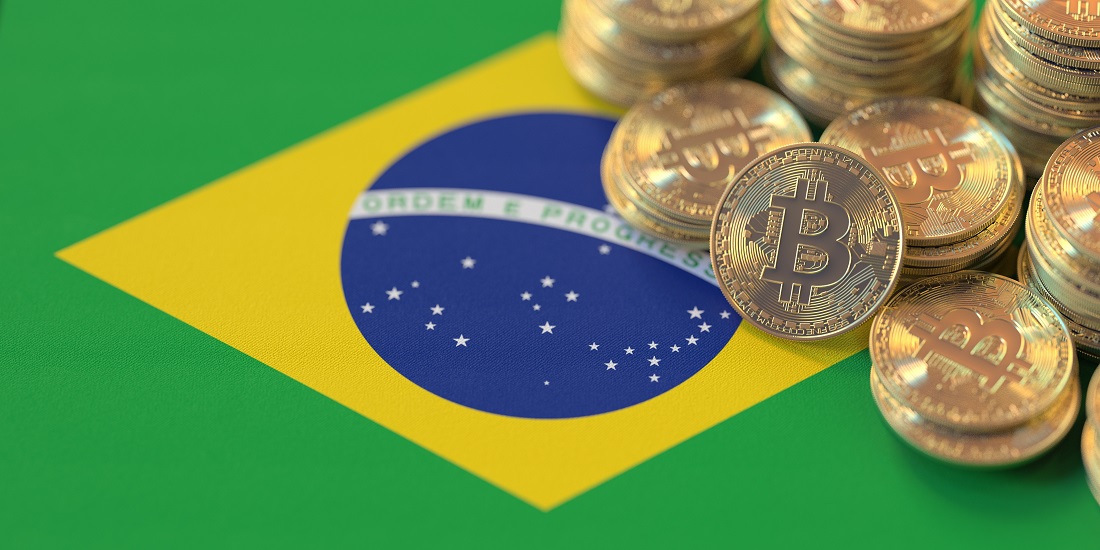
The law mentions “digital assets” and prohibits operations on exchanges of what is seized.
What is confiscated can be used to finance police equipment, training and intelligence.
The Government of Brazil launched Law 15,358, known as the Anti-Faction Law, after its sanction by President Luiz Inácio Lula da Silva on March 24 and its official publication the following day.
Although the rule focuses on toughening the fight against organized crime, one of its most relevant aspects for the financial and technological sector is the explicit inclusion of digital assets within embargo measures and confiscation.
Article 9 of the law authorizes precautionary measures such as the seizure, arrest, blocking or unavailability of “movable and immovable property, rights and securities, including digital or virtual assets.”
This means that judicial authorities can order the immediate blocking of cryptocurrencies, tokens or other virtual assets when there is suspicion that they are linked to criminal organizations.
Furthermore, the same provision prohibits, without express judicial authorization, “operations in cryptoasset exchange houses.” In this way, the law extends to the cryptocurrencies the same tools that are traditionally applied to bank accountsproperties or vehicles.
Once the illicit origin of these assets is proven, the law allows their definitive confiscation. Confiscated assets—including digital assets—go directly to the National Public Security Fund.
The rule enables its provisional use by security forces to acquire police equipment, train agents, finance special operations or improve intelligence, always with prior judicial approval.
This measure is part of the “financial asphyxiation” strategy against criminal factions. The leaders of these organizations face sentences of between 20 and 40 years in prison, considered serious crimes, and must serve them in maximum security federal prisons with few possibilities of prison benefits.
The law does not specifically mention Bitcoin or other cryptocurrencies by name, but the term “digital or virtual assets” is broad enough to cover them.
Experts consider that this represents an important step in the regulation of cryptoassets in Brazil, aligning their treatment with that of other goods of potentially illicit origin.
Other countries have different views on what to do with cryptocurrencies seized from crime. For example, in the United States the nation accumulates them in the long term, while nations like Germany or China have decided to sell them as soon as possible, as reported by CriptoNoticias.