The executive highlighted the change in perception with large companies asking about stablecoins.
Ripple focuses deals outside the cryptocurrency “eco chamber” to connect with finance.
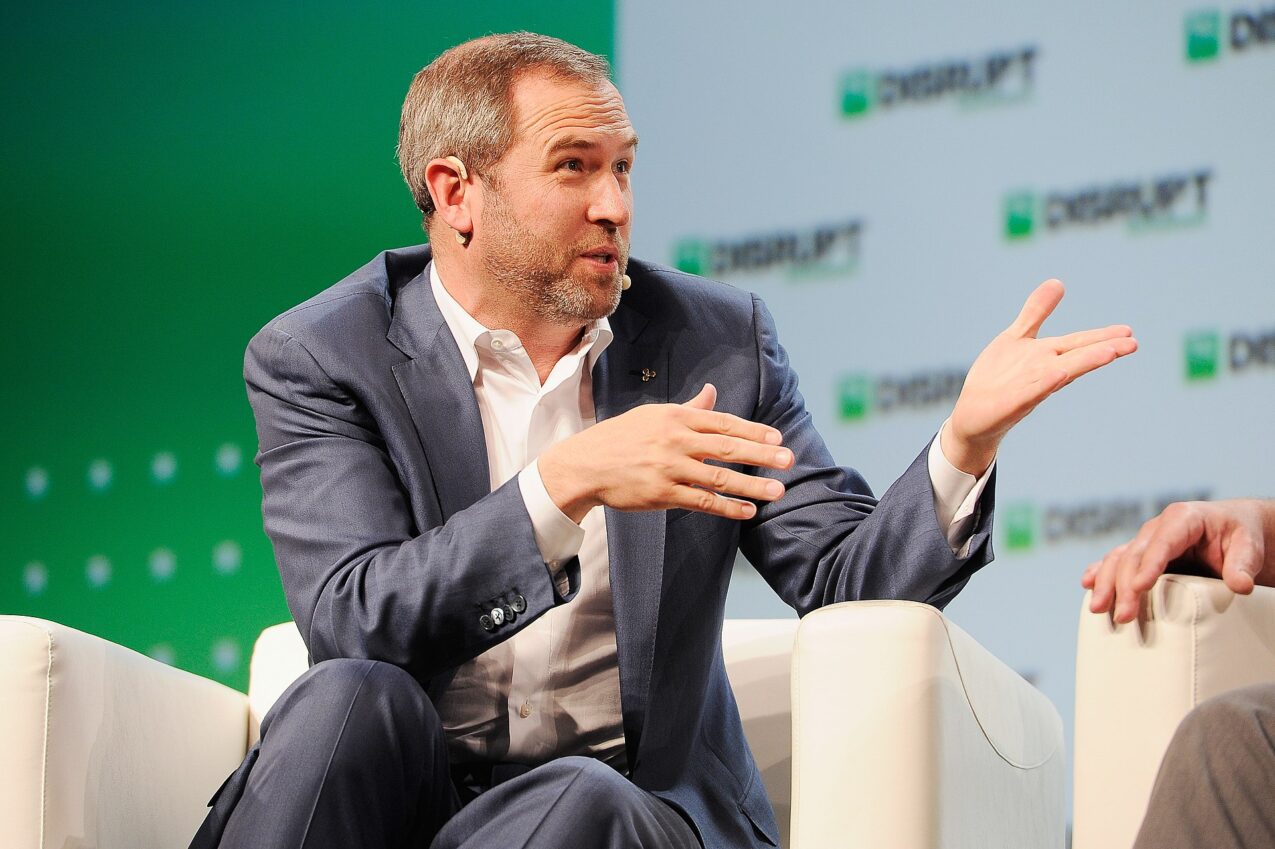
Ripple CEO Brad Garlinghouse has signaled a significant shift in the way the cryptocurrency industry is perceived. According to his statements, the sector has gone from being seen as “rat poison” to being considered a key financial infrastructure that is reconfiguring the global system.
“We have seen a shift in industry perception from ‘rat poison’ to ‘stone pet’ and then to reconfiguring the financial system,” stated Garlinghouse.
“Fast forward to today and some of the largest companies in the world are asking, ‘Are we using stablecoins and digital assets?’”
This change has accelerated in recent years. What before was discarded as something speculative or risky, it is now part of strategic discussions on the boards of directors of large corporations.
Garlinghouse mentioned, in particular, the rise of stablecoins, which compared with a “ChatGPT moment” for its impact, with transaction volume reaching $33 trillion by 2025.
The executive warned about the risks of politicizing cryptocurrency regulation. “We cannot have another Gary Gensler moment,” he said, referring to the former president of the United States Securities and Exchange Commission, whom he criticized for having “weaponized” regulatory policies against the industry, as reported by CriptoNoticias.
Garlinghouse expressed confidence that the CLARITY Act, which seeks to clarify the regulatory framework for digital assets in the United States, It will be approved at the end of May 2026which would facilitate adoption by US banks.
Ripple, according to the CEO, has followed a deliberate strategy of “doing deals outside the closed circle of cryptocurrencies” to bridge traditional finance and the blockchain ecosystem.
That decision, he explained, is paying off: the company has positioned its solutions—including RLUSD and XRP—as “invisible payment pathways” in the background of financial operations.
The message is that cryptocurrencies have left behind the stage of extreme skepticism and have become a practical tool for cross-border payments, settlements and transfers.
While the regulatory debate continues, Ripple’s bets on connecting both worlds are already generating tangible results. This vision coincides with growing institutional interest, where questions no longer revolve around whether cryptocurrencies have value, but how to efficiently integrate them into existing financial infrastructure.