
The asset manager Blue Owl Capital today, April 2, 2026, blocked redemptions from two of its major private credit funds after receiving withdrawal requests for 5.4 billion dollars.
This firm announced that it will only settle 5% of the requests, leaving the capital of thousands of investors trapped (exactly how many have not been reported) in the midst of a liquidity crisis that is already affecting the giants of the sector.
The panic focused on the Blue Owl Technology Income Corp (OTIC) fund, valued at $6.2 billion. According to company data reported by the press, investors tried withdraw 40.7% of the total value of the shares in the first quarter of 2026. This is one of the highest repayment figures recorded in the history of the business development partnership industry.
In the $36 billion Blue Owl Credit Income Corp (OCIC) fund, claims reached 21.9%. By applying the contractual limit of 5%, the vast majority of investors will not be able to access their money in the short term.
The news caused an immediate drop in the manager’s shares.which have already accumulated a loss of 45% of their market capitalization so far this year.
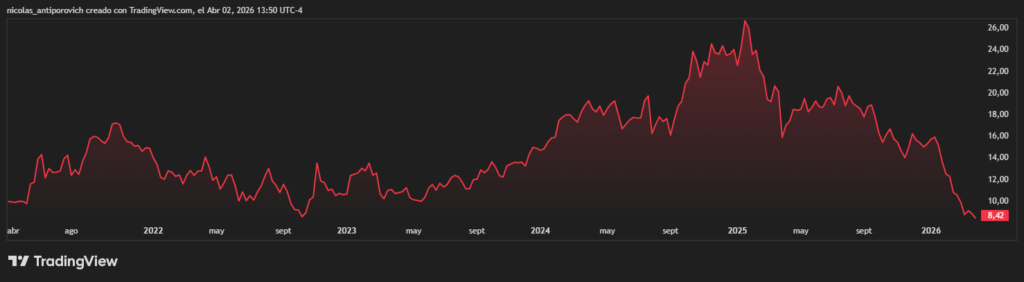
The distrust is not isolated: other firms such as Ares, Apollo Global, Blackstone and Carlyle also recorded reductions in their valuations due to fear of a contagion effect.
Craig Packer, CEO of Blue Owl funds, attributed the phenomenon to “negative sentiment” across the industry. However, markets question the solvency of loans granted to software companies, a sector punished by the uncertainty generated by artificial intelligence in traditional business models.
This withdrawal block confirms the trend reported by CriptoNoticias on March 25. Blue Owl joins the list of managers that have “closed the door” to their clients. These include Apollo, Ares, Cliffwater and even BlackRock (the largest investment fund manager in the world).
The private credit model, which today exceeds 2 trillion dollars, faces its biggest stress test. The lack of a liquid secondary market prevents investors from abandoning their positions when borrowers – often medium-sized companies or individuals with poor creditworthiness – begin to show signs of default.