The preliminary count of the presidential elections in Peru confirms a trend towards runoff, with a less traditional candidate related to the cryptocurrency ecosystem among the contenders.
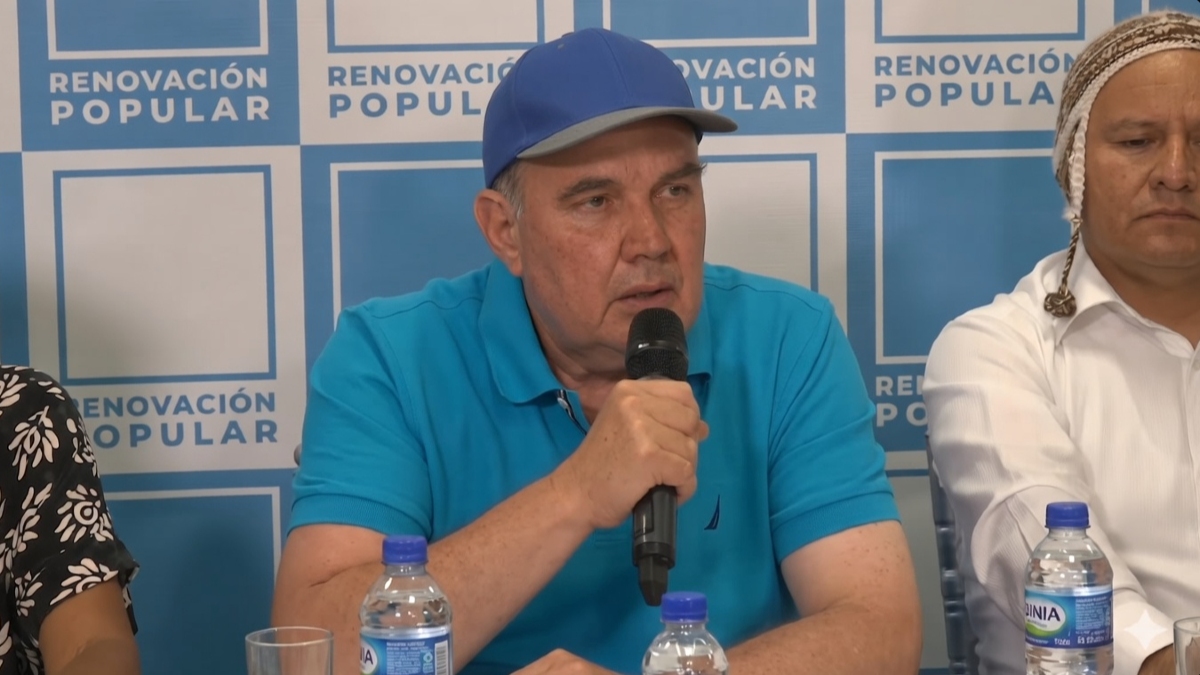
With 53% of the electoral records accounted by the National Office of Electoral Processes (ONPE) until this Monday, April 13, candidate Keiko Fujimori (Fuerza Popular) leads the results with 17% of valid votes. In second place is Rafael López Aliaga (Renovación Popular), with 14.5%, which consolidates his position for a second electoral round, at the time of writing this note.
The confirmation of a second round on June 7 places two different economic models at the center of the public debate: on the one hand, Keiko Fujimori’s traditional approach and, on the other, López Aliaga’s proposal, which integrates digital assets and technology within the state structure.
In general, while López Aliaga’s proposal is oriented towards digital financial sovereignty, Fujimori defends the model of “popular capitalism”, which prioritizes the continuity of the social market economy and the autonomy of the Central Reserve Bank.
López Aliaga, former mayor of Lima, has captured the attention of the financial sector after proposing, in November 2025, a technological transformation for the country. Your economic plan includes the creation of a regulated “national cryptocurrency”which would be backed by the country’s gold reserves, with the aim of attracting international capital and modernizing Peruvian financial sovereignty.
During his speech at the Annual Conference of Executives (CADE 2025), the leader of Renovación Popular presented a package of 34 economic measures. The second axis of his speech focused precisely on the opportunity that the issuance of a digital currency represents for the country, linked to local geographical advantages.
According to the candidate, Peru has ideal geographic conditions—such as altitude and cold climate in certain regions—that would favor digital mining infrastructure.
“An official, regulated cryptocurrency is going to be precisely a form of attracting capital to the country,” said López Aliaga, highlighting the use of mineral resources as collateral for this asset.
If the creation of a digital currency backed by gold is realized, Peru would join the list of nations that explore the use of distributed ledger technology to manage their national finances, although under a centralized model regulated by the State.
It must be taken into account that López Aliaga’s proposal has precedents in countries in the region. The key example is Venezuela, where the —failed— national cryptoasset called “petro” was developed. As CriptoNoticias reported, it was a cryptocurrency allegedly backed by that country’s oil reserves. Although the asset never reached port and today it is practically non-existent.
Logistical irregularities in the electoral process
The Peruvian electoral process has been marked by logistical irregularities, such as problems in the distribution of electoral material, failures in the electricity supply and outages in the ONPE digital platform, that prevented the normal development of the elections on Sunday, April 12.
This situation forced to extend voting until this Monday, April 13 in 13 educational centers, such as the Virgen de la Asunción school in San Juan de Miraflores.
Despite these delays, which even led to civil protests, the data updated at the time of writing this report show that none of the candidates will reach the absolute majority necessary to avoid a runoff.