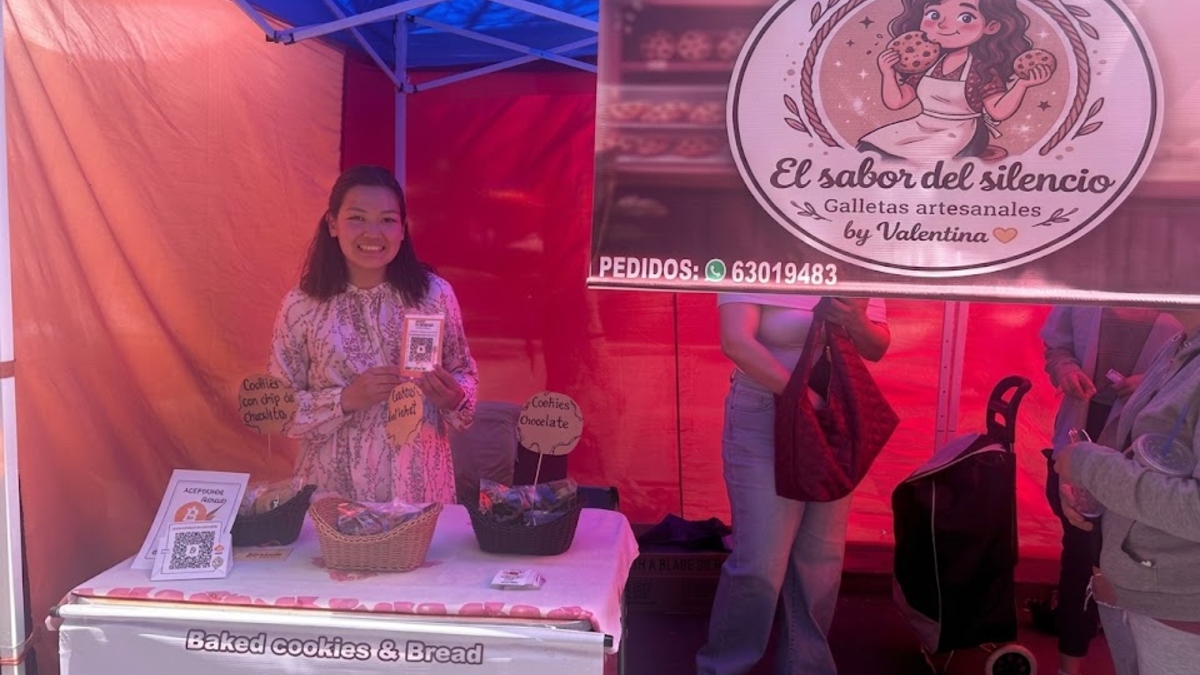
The use of bitcoin (BTC) in Bolivia continues to expand towards sectors that have traditionally faced difficulties in accessing conventional banking services. Valentina, a young entrepreneur with a hearing disability, integrated the digital asset as a payment method for her artisan cookie business, which she called “El Sabor del Silencio.”
During Labor Day, at the El Prado Sunday fair, the entrepreneur demonstrated how decentralized technology facilitates your economic autonomy by allowing you to transact directly and sovereignly.
Through her personal entrepreneurship, identified on digital platforms as “el.sabor.del.silencio”, Valentina uses the Blink wallet, developed in El Salvador, to receive payments in bitcoin for your products.
This dynamic eliminates the need of financial intermediaries and reduces communication barriers, since the process is simplified through the use of QR codes. The initiative has the support of the Bitcoin Research community, which has promoted digital literacy in various strata of Bolivian society.
The use of BTC at a commercial level reflects a paradigm shift in the Bolivian territory. What was previously largely perceived as an asset for financial speculation, is becoming a functional tool for retail and popular trade.
The work of organizations like Bitcoin Research has been fundamental in this adoption process. In comments to CriptoNoticias, that entity indicated that its focus in the Andean country “has focused on inclusion and financial freedom.” more than short-term profitability.
As a precedent to these efforts for accessibility, the creation of the Bitcoin White Paper stands out. in Braille systeman action that sought to bring the technology designed by Satoshi Nakamoto to the visually impaired community in that country.
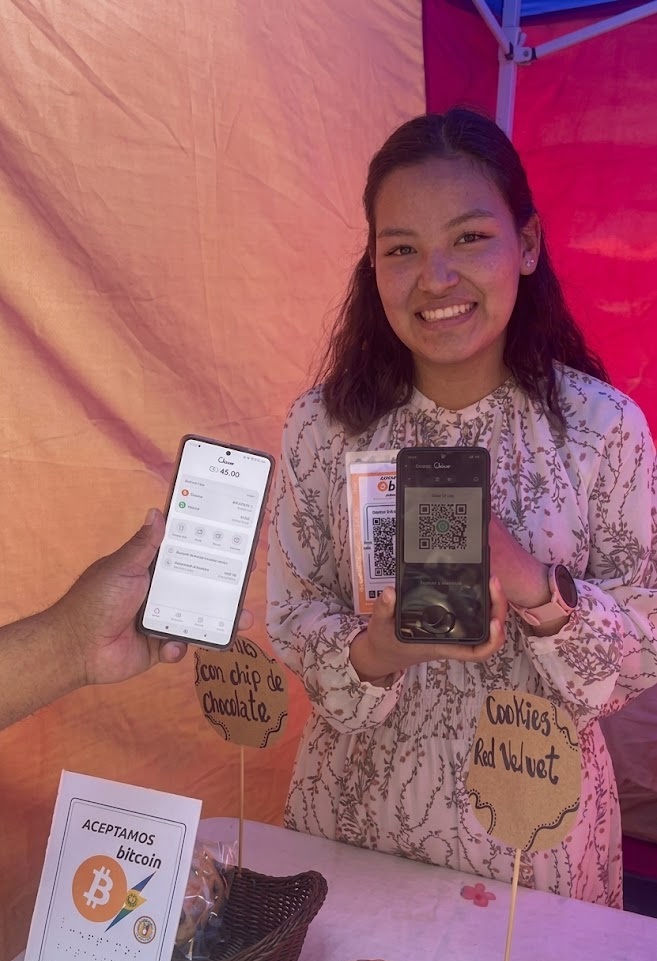
The growth in bitcoin acceptance in the Bolivian informal sector represents an evolution compared to previous months, when adoption was mainly concentrated in formal commerce.
Currently, more than 100 establishments in the country are registered on geolocation platforms such as BTCMap, which confirms the usefulness of the protocol in various economic environments. For many merchants, the use of this digital asset represents a solution to the bureaucratic limitations and restrictions of the traditional financial system.
This trend is not isolated, as it adds to the “bitcoinization” trend recently observed in areas of high commercial activity such as El Alto, where food and clothing sellers They have adopted digital currency for their daily operations.
Despite the advances, the arrival of bitcoin to vulnerable sectors keeps the debate open about the need for more inclusive interfaces and the responsibility of institutions in providing accessibility tools. Although the protocol operates in an open and permissionless manner, technical challenges remain in ensuring that everyone can interact with the network easily.
Valentina’s story in the Bolivian markets positions digital currency as a bridge to professional dignity. At the heart of popular commerce, technology is demonstrating the ability to break down the walls of financial exclusion, allowing individual productivity to prevail over physical or systemic limitations.