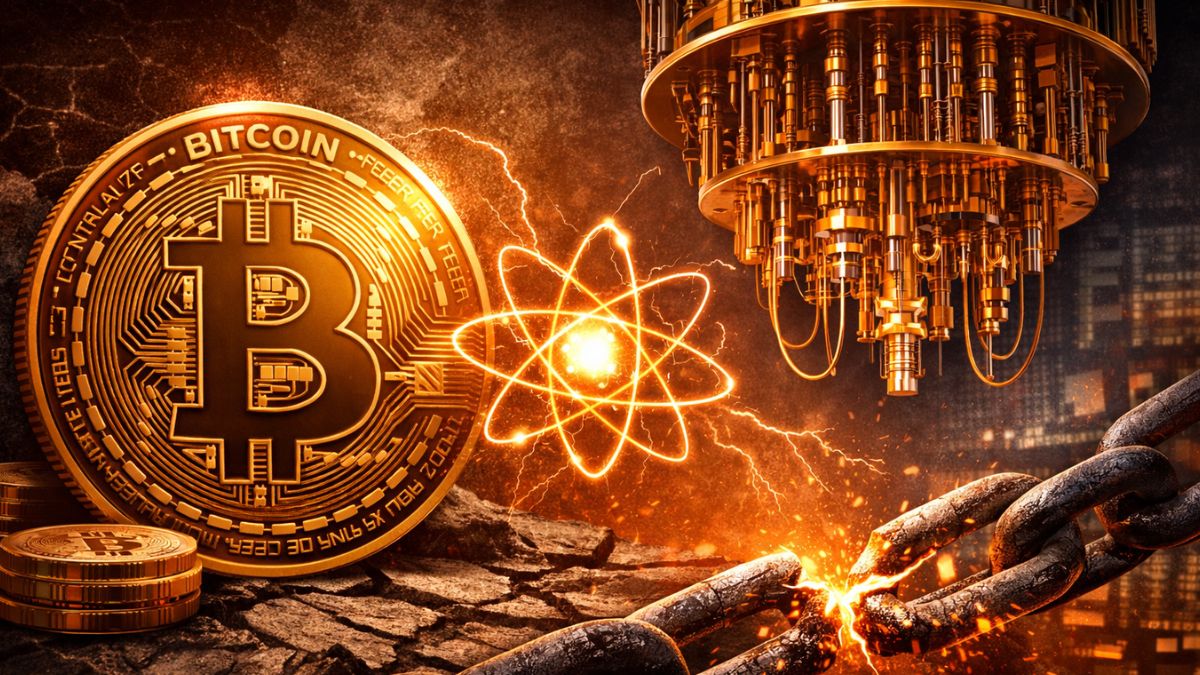
Touching Satoshi coins is considered a violation of Bitcoin principles.
The community in X supports preparation for the threat, but without alarmism.
During the Bitcoin Conference held in Las Vegas, a pragmatic consensus emerged on the threat that quantum computing represents to Bitcoin.
Alex Thorn, head of research at Galaxy, shared a detailed thread summarizing panel discussions and private conversations. The majority conclusion: the risk exists and deserves preparation, but without haste or radical changes that compromise the principles of the network.
As Thorn explains in his X account, the trigger for these conversations was the panel “How Real is the Quantum Threat?” (How real is the quantum threat), which generated moments of discussion even in the informal spaces of the event.
The conversations took into account all the recent advances that have been made on the topic, including publications by experts from Stanford, Ethereum and Google, that shorten the time for the so-called Q-Day.
All of this information gave life to the debate about when a quantum computer could break ECDSA, Bitcoin’s current public key signature. The main controversy revolves around what What will happen to the coins believed to belong to Satoshi Nakamoto?. There are approximately 1.1 million BTC in P2PK addresses from 2009 (public key).
According to Thorn, this is one of the most delicate issues in the Bitcoin ecosystem, since it is thought that manipulating these assets could harm the fundamental proposition of Bitcoin: property rights. Violating this principle would destroy the value of bitcoin as truly scarce and immobile money.
The researcher adds that, according to the talks he held during the event, the dominant idea is that the risk of an attack is still low. There is consensus among bitcoiners on this, and that is why the majority defends the proposal do not touch those coins under any circumstances.
For Thorn, the risk that these currencies run is not as great as it is usually presented, because they are distributed in approximately 22,000 different addresses. This suggests that a possible quantum attack would require attack a large number of addresses instead of just one. He further notes that, to date, markets have absorbed similar volumes without collapsing.
The dilemma: implement or let them be stolen
However, there is another group of bitcoiners, like Matt Corallo, who argue that it is necessary implement some recovery mechanism to prevent them from being stolen massively.
The developer does not support the consensus of not touching Satoshi coinsconsidering it an overly simplistic view. He recognizes that any solution will be imperfect and “confiscatory,” but he prefers to save as much as possible rather than lose everything through inaction. He also questions whether markets will easily absorb an additional 1 million BTC without serious impact.
The plan would be to make implementations like the one proposed last April by Jameson Lopp and five other developers. As Criptonoticias has reported, a soft fork that would make current Bitcoin cryptographic signatures invalid from a certain date.
In general, the debates that are being carried out positively value the development of post-quantum cryptography, but as background work: research, test and have it ready to activate only if necessary. “This will avoid distractions and risks of implementing something immature.”
In general, the community on X mostly supports this route: preparation without alarmism. While ecosystem analysts agree that these discussions strengthen Bitcoin, turning possible threats into opportunities for improvement.
The debate is still open. It reflects the way the quantum threat is driving a more resilient network, with a community that is thinking ahead and wants to face a future technical challenge with maturity, prioritizing ownership, decentralization and technical rigor. The Las Vegas consensus is clear: innovate responsibly, without sacrificing what makes Bitcoin unique.