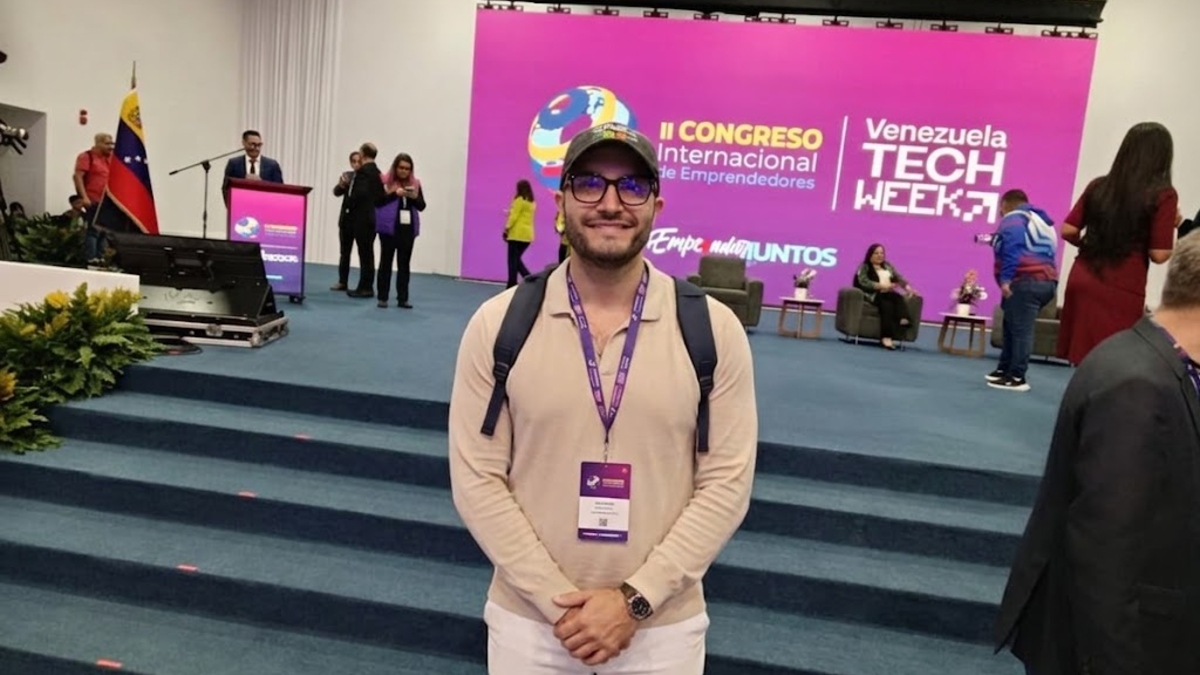
Within the framework of the Venezuela Tech Week event, held in Caracas from May 11 to 13, Ami Spiwak, co-founder of Qash, announced exclusively to CriptoNoticias that the neobank formally began operations in the country. The company, which specializes in the use of stablecoins linked to the dollar, functions as a financial bridge so that Venezuelan companies can access services in US banking.
As Spiwak explained, the initiative seeks to democratize access to international banking in a market with a high adoption of digital assets and consolidated de facto dollarization. The manager pointed out that this movement responds to a change in legal conditions, allowing local legal entities to achieve connectivity that was restricted for years.
According to the businessman, Qash focuses on solving the difficulties faced by national companies to pay suppliers abroad. To do this, they receive stablecoins and bolivars from Venezuelan companies, convert them into US dollars and deposit them in bank accounts in the United States in the name of said companies or their suppliers.
“We have a way to receivecompliant‘ (in compliance with US regulations) USD Tether (USDT) or USD Coin (USDC) in wallets and then pay the provider in dollars in the United States. That is what we are able to do now,” stated the co-founder of the Colombian-American firm.
The executive emphasized that the operation of the platform is not a long-term project, but rather an immediate reality. “We already have the first Venezuelan company that we are doing onboardingand we already have a second one that is finishing the documentation. “We are already live, it is not hypothetical,” he said during the interview. without offering details of what those corporations are.
Spiwak clarified that, although Qash operates with allied companies in Venezuela, the medium-term objective is to establish its own infrastructure within the country, complying with current regulatory requirements.
“We will quickly seek to set up the rails ourselves in Venezuela and for that we will seek the license from the National Superintendency of Crypto Assets (Sunacrip),” he said.
The expansion of Qash in Venezuelan territory occurs after the entry into force of General License No. 57 of the Office of Foreign Assets Control (OFAC) on April 14, 2026. This regulation authorizes the processing of financial services with key State institutions, such as the Central Bank of Venezuela (BCV) and the Bank of Venezuela, facilitating the integration of technologies based on distributed ledgers.
Spiwak described this return to the country, after a decade abroad, as a moment to “fill the circle and return with a tool in hand to reconnect Venezuela with international banking.” According to the manager, the company already has banking partners in the United States that They have given the “green light” to open accounts for Venezuelan companies under the new guidelines.
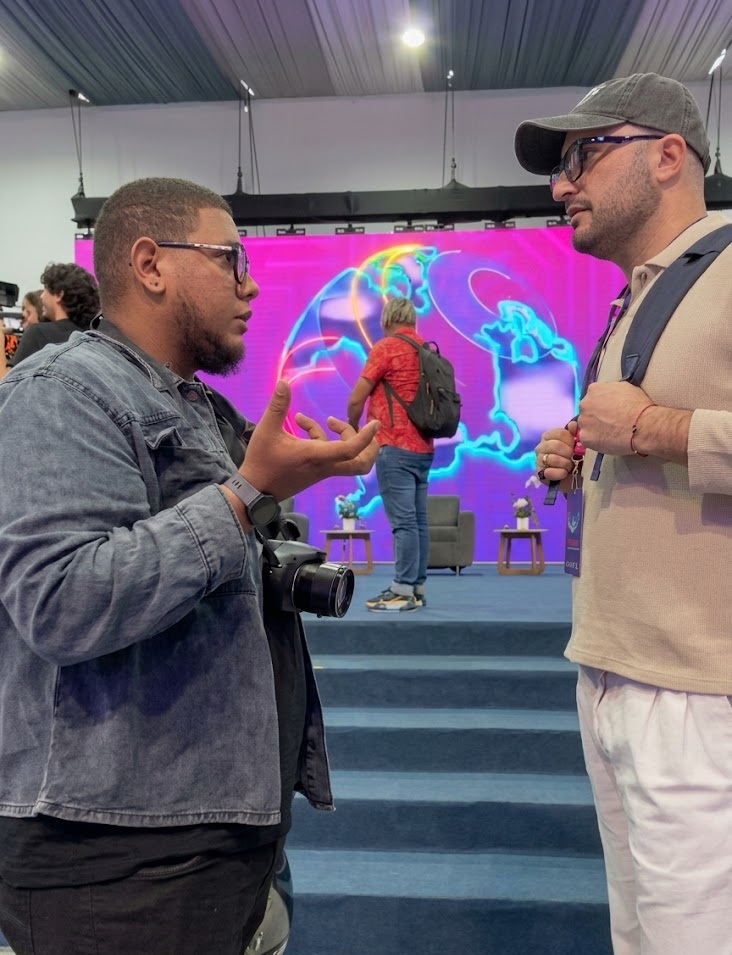
In Venezuela, the use of USDT in companies – large and small – is a palpable reality. Either accepting it as a means of payment for products and services, or even as a method of financial strategy. CriptoNoticias has confirmed that the adoption of the digital asset has been seen in motorcycle parts stores, restaurants, boutiques and even large corporations with more than three decades of experience.
Despite the optimism shown by the Qash board, the Venezuelan regulatory environment presents important nuances. Sector specialists, such as Aníbal Garrido, director of the BT&C Academy of the Andrés Bello Catholic University (UCAB), have warned about the complexity of operating in the country while Sunacrip continues in a restructuring process after the incidents of corruption linked to the Pdvsa-Cripto case.
Garrido described the announcement of aggressive expansion in Venezuela as “risky” if there are no clear guarantees from the local regulator. For the analyst, the current system is perceived as “hermetic,” which makes it difficult for international actors—such as Qash— penetrate the ecosystem formallyespecially in relation to exchange houses.
Against this background, Spiwak maintains that The demand for Qash’s services validates the company’s commitment. “I know that there is a huge demand because we have already started to open those accounts. We came precisely to Venezuela Tech Week to look for companies that want that connectivity,” he said.
Despite the enthusiasm, the success of this model will depend on the fintech’s ability to navigate the duality between US regulations and local regulations, in a country that, according to Spiwak, is one of the largest adopters of stablecoins in the world.