
The current cross-chain provider, LayerZero, is deprecated.
Chainlink is the world’s leading decentralized oracle network.
Kraken exchange will migrate the cross-network infrastructure of kBTC, its tokenized bitcoin (BTC), to Chainlink CCIP. With this change, you will no longer use LayerZero as an interoperability provider for your assets. wrapped (wrapped).
According to reported on May 14, 2026, this decision is explained because Chainlink, the main decentralized oracle protocol on the market, offers an “enterprise-grade infrastructure” with strict security and risk management requirements.
Among the features highlighted by Kraken are ISO 27001 and SOC 2 Type 2 certifications, an architecture that they describe as “secure by default”, 16 independent nodes and native transfer limits.
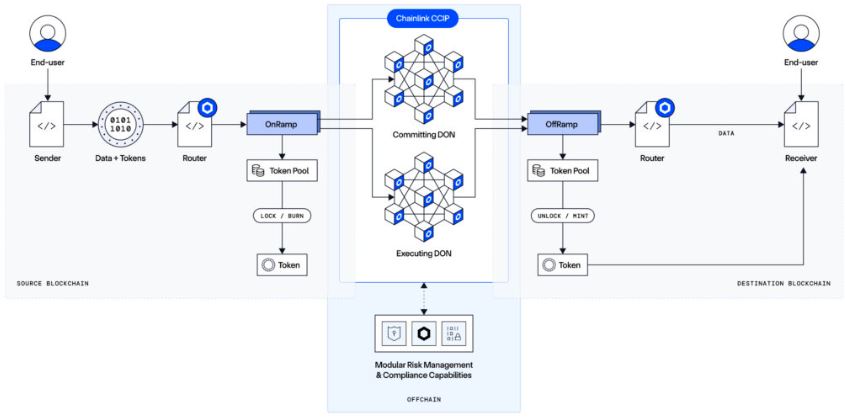
As CriptoNoticias has reported, Chainlink CCIP (Cross-Chain Interoperability Protocol) is a system developed to connect different networks and enable secure transfers of assets and messages between digital ecosystems.
The announcement comes against a backdrop of increased attention on the security of cross-chain infrastructure. The exploit suffered by Kelp DAO in April was linked to vulnerabilities in configurations associated with LayerZero, a provider previously used by Kraken for interoperability.
However, migrating to Chainlink would not completely eliminate structural risks. Although CCIP incorporates additional validation and risk management mechanisms, Kraken will continue to rely on a single provider for the interoperability of its tokenized assetsmaintaining a possible single point of failure within the infrastructure.
The exchange clarified that kBTC users will not need to take any action during the migration process and that additional technical details will be communicated through its official channels.
Kraken’s decision reinforces a broader trend: Chainlink continues to expand its presence among exchanges, DeFi protocols and traditional finance players seeking infrastructure for tokenization and interoperability between networks.
For example, on May 13, Fidelity International launched its first tokenized fund on Ethereum using Chainlink infrastructure to publish on-chain financial data.
This advance also fuels expectations about LINK, Chainlink’s native token, especially among analysts who believe that institutional adoption of its infrastructure could become a long-term catalyst for the ecosystem.