The adoption of Bitcoin and cryptocurrency technology projects sustained growth in Venezuela, driven by the need for efficient financial solutions. However, this must be healthy and based on financial education so that it can be truly efficient.
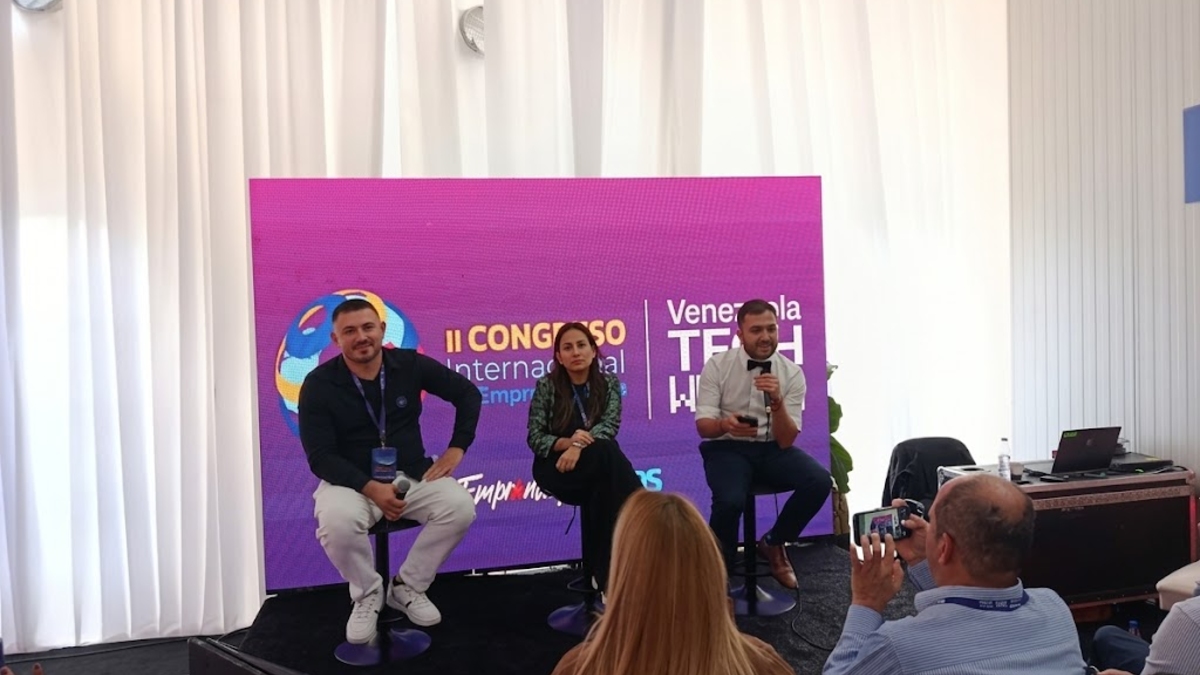
This conclusion was reached by Fernanda Morales, head of institutional sales at BitGo, and Fabian Delgado, business developer for Latin America at Bitfinex, who participated in the Venezuela Tech Week event, held last Wednesday, May 13.
The specialists agreed that the Venezuelan market maintains historically high interest in cryptocurrencies and that the true progress of the sector will depend on an adoption that prioritizes, in addition to education, the development of tools adapted to local realities.
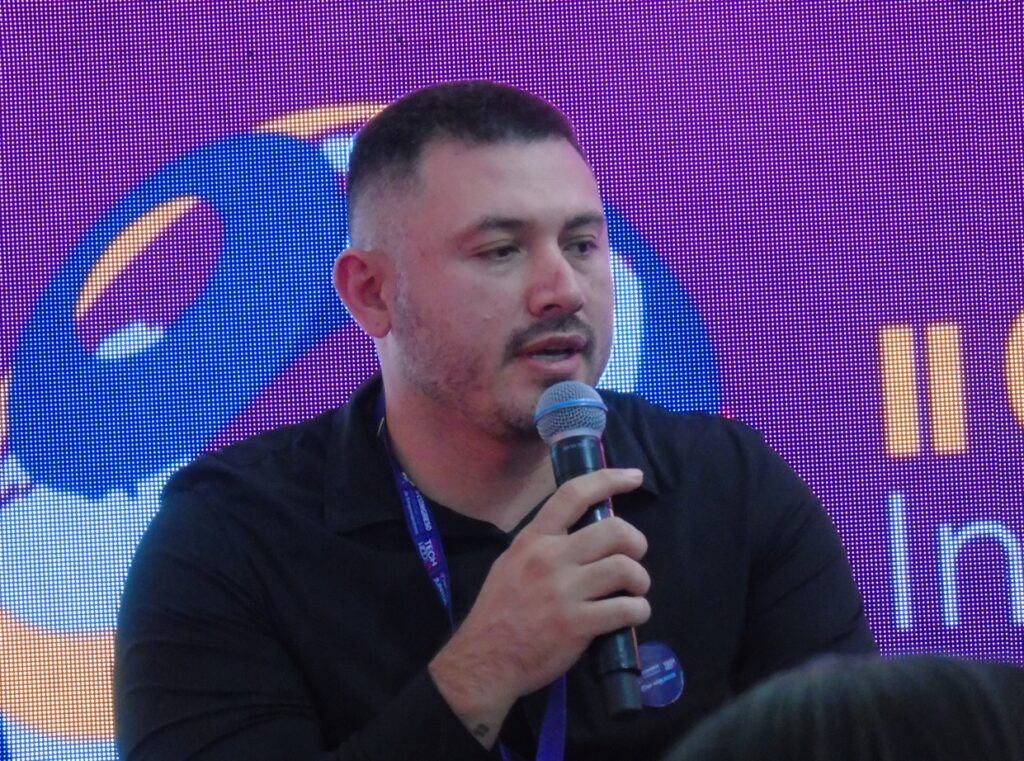
The Bitfinex spokesperson made an open call to Venezuelan entrepreneurs, businessmen and citizens to Maintain intellectual curiosity and build your own solutions on existing infrastructure. According to him, the ecosystem has matured significantly, moving from retail speculation to the demand for secure corporate architectures.
I call to action, to Venezuelans, and that is to explore, educate themselves, be curious, but above all, build as well. And the same thing, educate not only yourselves, but educate someone else, because if we do this, I believe that in the end the beneficiaries are the residents of each of our countries.
Fabián Delgado.
The consolidation of this market in the South American country is directly linked to a challenging macroeconomic context. Faced with phenomena of monetary devaluation, inflation and difficulties in accessing financial vehicles, digital currencies, especially stablecoins, have emerged as a viable alternative to improve daily life.
Indeed, the search for tools that speed up daily settlement and reduce commissions has positioned Venezuela as fertile ground for the innovation of Bitcoin technology and other digital assets, as reported by CriptoNoticias.
This has meant that the organic adoption of the sector has skyrocketed to different socioeconomic strata for more than a year. Nowadays it is common to see formal and informal businesses accepting the dollar-linked stablecoin, USD Tether (USDT), as a means of payment. That currency even became—de facto—in the reference of the value of the dollar unofficialforcing the creation of an exchange gap with respect to the official exchange rate, which is at 37%.
Both Morales and Delgado emphasized that The idea that digital assets are coming to supplant banks is left behind. In fact, the BitGo representative emphasized that “today they seek to give that security to traditional banking that cryptocurrencies are an addition to the structure that already exists, rather than a replacement.”
In his opinion, the current trend points towards a hybrid model where both structures complement each other efficiently. Delgado agreed with that, who emphasized that, in current times, It is already common to use digital assets daily without knowing what is happening behind the scenes.
Morales complemented this idea by indicating that “digital asset companies are doing an incredible ‘Frankenstein’ with the issue of fiat and digital assets.”

Digital asset trends and projections
During the panel, in which CriptoNoticias was present, the analysts outlined the global trends that will lead the digital financial market in the coming years and that will have a direct impact on Latin America. For both, the tokenization of real-world assets (RWA) is positioned as one of the currents with the greatest potential due to its ability to democratize stock market investments.
Delgado explained the impact of this phenomenon by indicating that “tokenization has too much future because until now it is the tip of the iceberg.” “Today we see, for example, that they are tokenizing gold, and what happens with that? They are democratizing access to assets that were previously a little difficult to access,” he said.
Likewise, Morales highlighted the integration of Artificial Intelligence (AI) for the automation of identity compliance processes and transaction monitoring, along with the rise of performance mechanisms such as staking and yielding.

Both panelists concluded that regulatory compliance does not represent a brake on technological development, but rather the legitimate gateway for large-scale liquidity and institutional capital participation in the oil country.