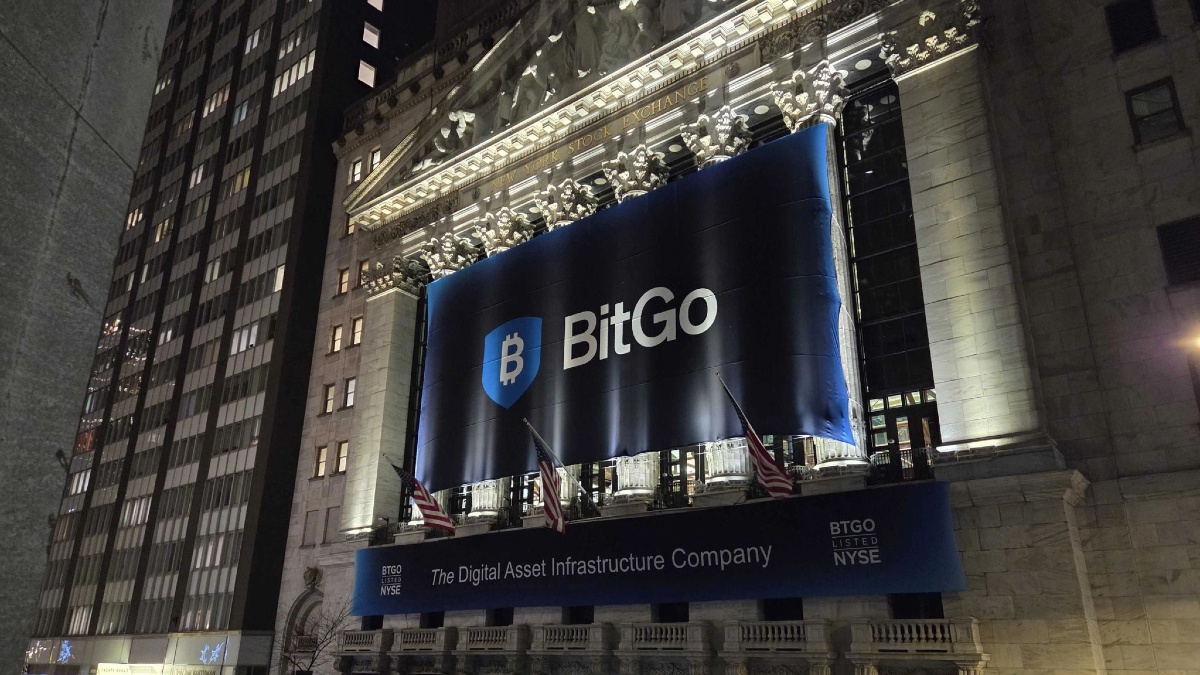
Ayala believes that the order is a “wake up call” to the US banks to recognize the sector.
According to him, senior executives of Latin banks are “very aware” of the bitcoin ecosystem.
The recent executive order signed by the President of the United States, Donald Trump, along with the advancement of the Clarity Act in the Senate of that country, are marking a historic turning point for the global financial and cryptocurrency system.
According to Luis Ayala, general director for Latin America of the custody company BitGo, these regulatory measures represent a true «wake up call» (wake-up call) for traditional banking, forcing it to integrate Bitcoin technology and digital assets if you want to stay competitive in today’s market.
In an exclusive interview granted to CriptoNoticias, the executive explained that the political and legislative environment of the North American nation will unblock the bottlenecks that, from his perspective, historically They slowed down the growth of cryptocurrency adoption in Latin America.
Ayala recalled that, until now, local banks depended strictly on the risk criteria of their American correspondents. And he pointed out that the lack of regulatory clarity in traditional finance regarding digital currencies has delegated the leadership of innovation in Latin America. towards companies in the sector fintech.
However, he stated that the regulations promoted from Washington completely rewrite this commercial dynamic. In his opinion, due to the regulatory push from the US, the relationship between traditional finance and Bitcoin is definitively redefined.

“Thumbs up” for US banks
Ayala highlighted that the Clarity Law — which was approved in the Senate Banking Committee last week — explicitly empowers banking entities to participate in activities related to decentralized accounting. And he commented that a fundamental aspect of this legal framework is that assets in custody are not liabilities on the bank’s balance sheet, which eliminates an operational obstacle. and provides unprecedented institutional support.
«Optically this gives a thumbs up (thumbs up) to the American banks, therefore that normally cascades to the banks in the region and let’s say that is what we are going to see in that phenomenon,” said the director of BitGo.
For its part, the order signed by the United States Executive on May 19 adds another layer of advantage by exerting direct competitive pressure against financial institutions that resist technological change.
The decree establishes that, if a traditional bank decides not to participate in the ecosystem, companies in the digital currency sector will still be granted access to the master accounts of the Federal Reserve (FED). All with the aim of competing on equal terms.
In this regard, Ayala emphasized that “this forces banks to transform faster and take seriously that Bitcoin and the blockchain have existed since 2009 and are quite popular. “It also encourages a change in mentality.”
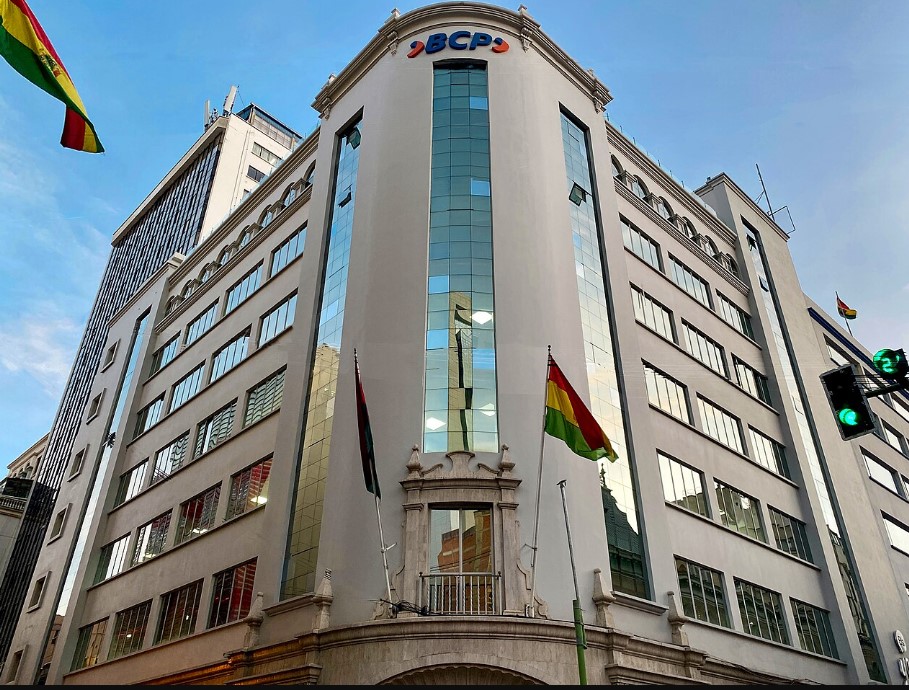
Beyond US banks, the BitGo manager revealed that senior executives of Latin American banking institutions are “very aware” of this panorama. And he cited examples of entities in the region, such as Banco de Crédito de Bolivia, Banco de Crédito del Perú, Tower Bank in Panama, and Brazilian giants such as Itaú, Santander and BTG Pactual, which They have already developed initiatives and integrated tools of this ecosystem to respond to market pressure, as documented by CriptoNoticias.
Technological innovation in the face of banking hegemony
In the interview, Ayala reinforced the narrative that, contrary to the thesis that digital currencies and Bitcoin technology seek the total disappearance of the traditional banking system, current regulations demonstrate that Innovations force banks towards accelerated transformation.
For this reason, he dismissed the idea that Trump’s executive order and the imminent Clarity Law “put in check” the existence of traditional financial entities. As he sees it, “rather it brings clearer rules and more certainty for banks to participate in this new world.”
In the manager’s opinion, the use of decentralized networks provides financial institutions and regulatory bodies with critical operational advantages through the standard known as KYT or “Know Your Transaction.” This technical property guarantees traceability and monitoring far superior to those of traditional closed systems to prevent money laundering and terrorist financing, bringing efficient and decentralized tools to the traditional finance sector.
In this new business context, the role of corporations like BitGo focuses on guiding traditional banking in its transition to digital infrastructure.
As Ayala expressed it, they are a “strategic confidant” that accompanies institutions from basic operations on their money tables to the development of complete exchange platforms, facilitating adaptation to an imminent opening of local regulatory frameworks throughout Latin America.
The combination of Trump’s executive order and the Clarity Act marks a turning point that eliminates regulatory bottlenecks for correspondent and local banks. Far from becoming extinct, Traditional banking is forced into an accelerated transformation processlegitimizing and massifying the use of cryptoassets for the direct benefit of the Latin American economy and users.