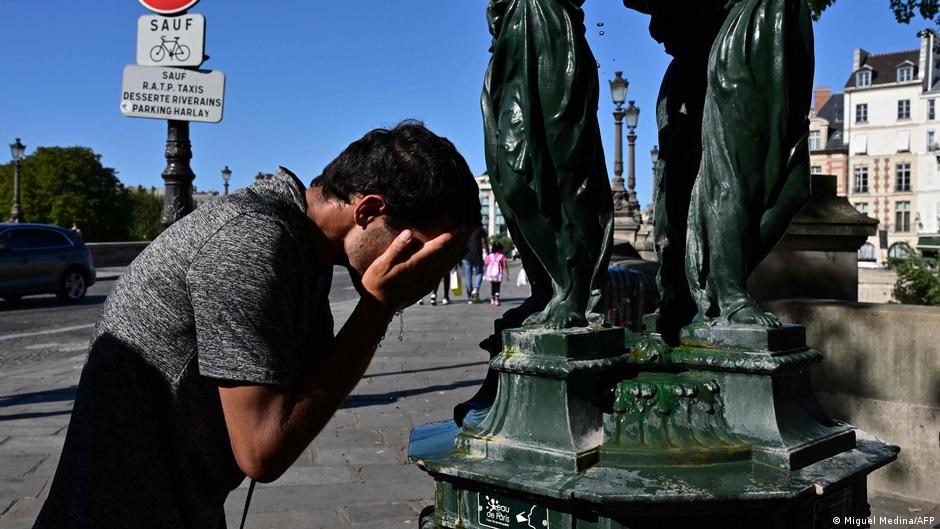
Most Northern Europeans are accustomed to cold winters and relatively mild summers and perhaps annual beach holidays in countries such as Greece, Spain and Italy.
But as humans continue to burn oil, gas and coal, releasing greenhouse gas emissions that cause climate change, Europe is becoming the fastest-warming continent. And deadly heat waves are becoming more intense and more frequent – even in sometimes cold countries like Germany and Ireland.
This means learning to adapt, and understanding how dangerous rising temperatures can be. Extreme heat can lead to dehydration and heatstroke, which can be fatal, and worsen many conditions such as kidney or heart problems. The elderly and pregnant people, infants, people with chronic diseases and the homeless are most vulnerable.
Europe is currently in the grip of extreme heat, which has become more intense due to climate change. Temperature records are being broken, with temperatures surpassing 40 °C (104 Fahrenheit) in some unlikely places.
People living in hot southern European countries have more experience dealing with hot conditions. Here’s how they do it.
stay out of the afternoon sun
Limit exertion to a minimum between 11am and 5pm – this is the hottest time of the day. In Spain and Greece, visitors from colder climates sometimes underestimate the afternoon sun when ground temperatures reach 60 °C (140 Fahrenheit), setting out in flip-flops and without water. Sometimes the results are fatal.
Southern Europeans rarely sit in the sun, walk on the streets or go for a run when the day is hottest. Instead, it’s all about strolling down shady streets, staying indoors with fans and shutters down, or relaxing somewhere with air conditioning. Towns and villages in southern Europe first come alive in the evening, when temperatures are cooler.
respect rest
It is common for tourists visiting Spanish, Greek or Italian cities to find that everything closes at lunch time. Shops were closed and streets were empty as locals went indoors to relax and unwind.
This may be more difficult to do in Northern European countries, as there is no tradition of workers taking leave for an afternoon nap. But when possible, a little rest in the middle of the day can boost energy levels, especially since increasingly hot nights disrupt sleep.
As heat waves become more common, employers will have to rethink work schedules, especially for people performing outdoor labor.
Light, cold food and reduce alcohol intake
In Spain and France, it is not unusual to drink a small beer or glass of wine with a meal during the day. It may sound tempting, but when it comes to drinking alcohol on a hot day, moderation is key.
Alcohol is dehydrating, so it is especially dangerous to consume it in excess in the heat. In fact, French authorities have recently banned the consumption of alcohol at festivals and public events due to rising temperatures.
The food eaten at lunch during summer is also important. In Spain and Greece, cold soups like gazpacho or salads with hydrating water-rich foods like cucumbers, tomatoes or watermelon are common dishes.
water everywhere
The hotter it is, the more sweat the body produces. So drinking water and “aguas frescas” — light, non-alcohol beverages made by mixing fruits, flowers or seeds with sugar and water — is a good way to stay hydrated throughout the day.
Italian cities have public drinking fountains that provide free cold water to those in need. Rome’s iconic “Nasoni” – “big nose” in Italian – has been in constant flow since the late 1800s. Local people drink water from them by blocking the bottom and funneling the spring water upwards. They use these fountains to cool their wrists and hands, which is intended to help reduce body temperature.
The French favor a different approach: washing the face, hands and feet with small spray bottles, which pharmacies stock in bulk during the hot season.
cool clothes and tropical nights
Wearing less may seem like a logical way to stay cool, but it doesn’t have to be. Southern Europeans often prefer loose, flowy, and light-colored clothing made from natural fabrics such as linen and cotton. Such fabrics protect bare skin, absorb less heat and are more breathable than synthetic fibers.
And what about the bed? Cotton sheets are cooler than synthetic sheets. Local tricks include sleeping covered with a cool wet sheet in front of a fan or open window and cross ventilation when it is cool at night. During the day, keeping the curtains drawn, shutters closed, or having some type of reflective window covering can help keep the heat out.
But as long as humans keep burning fossil fuels, releasing planet-warming greenhouse gases, Europe will see more deadly, intense and frequent heat waves that will become even more difficult to live with. The continent will have to adapt rapidly and deeply by changing the way Europeans live and work, as well as the way homes and cities are built and operated.
Edited by: Tamsin Walker