Building back better after devastating floods in Germany
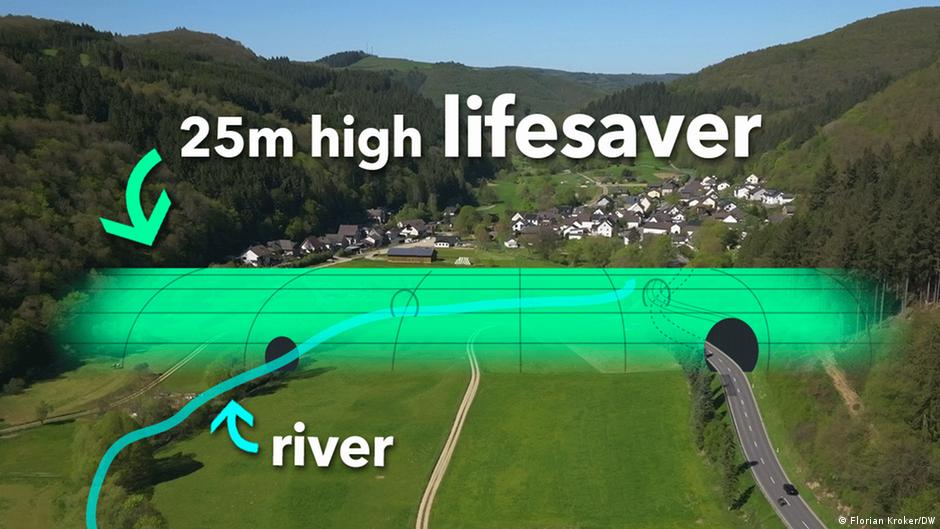
Following deadly floods in Germany’s Ahr Valley in 2021, the focus of reconstruction is on resilience rather than restoring what was lost. Five years after 135 people were killed and billions of euros of damage were caused, authorities are widening river banks, redesigning bridges and restoring natural floodplains.
Local authorities have also purchased land along the river bank to convert it back into lush overflow areas filled with trees and bushes. Also, a network of 17 dams is planned to better manage extreme rainfall and reduce future risks.
Read the full story here: Germany’s Ahr Valley: rebuilding better after deadly floods
Turning waste water into drinking water in a warming world
While some areas are struggling with too much water, others are running out. Cities in drought-prone areas are increasingly turning wastewater into safe drinking water and harvesting stormwater to replenish underground aquifers.
Researchers at the Technical University of Munich are also developing better storage systems to store water more efficiently. What was once considered a last resort is rapidly becoming a reliable way to keep water supplies stable in a hotter, drier world.
Read the full story here: : Dry season: How to store more groundwater for dry season
Tourists help conserve endangered sea turtles
Not all solutions rely on big infrastructure projects – some rely on everyday people.
At a marine conservancy on Egypt’s Red Sea coast, tourists are being trained as citizen scientists to help protect endangered sea turtles.
snorkelers are taught to observe the animals without disturbing them and use cameras to document their unique facial markings. These images allow researchers to identify individual turtles and better understand their behavior, health, and habitat over time.
Edited by: Sarah Stephan