
Abdul Ghani Baradar, the deputy head of the Taliban-led regime in Kabul, recently announced a complete import ban on Pakistani medicines in Afghanistan.
Baradar, who is also responsible for economic affairs, described the quality of Pakistani medicine as “poor”, while giving Afghan importers three months to settle their debts with Pakistani companies and find new sources of supply.
But finding new suppliers is easier said than done. According to Noorullah Noori, the Taliban’s director general of administrative affairs, more than 70% of the medicines used in Afghanistan currently come from Pakistan.
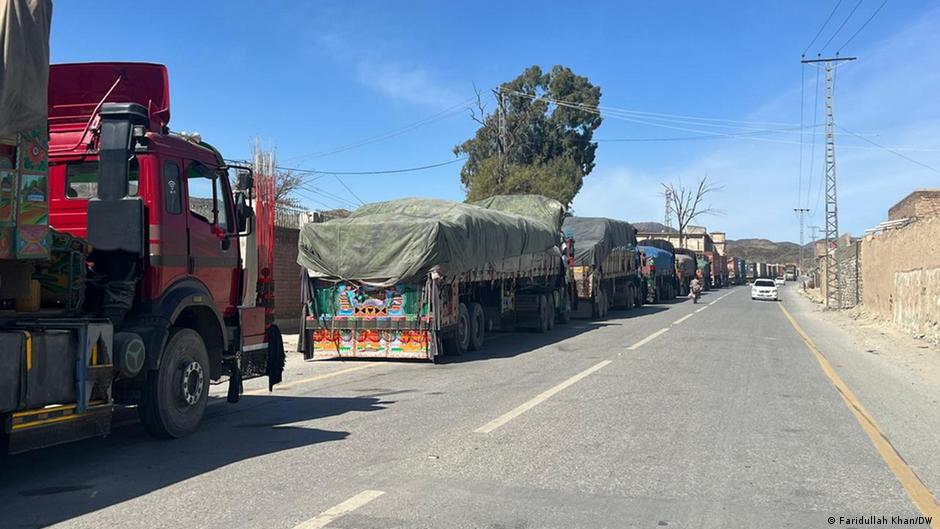
The 2,640-kilometre (1,640 mi) border between the two countries has been closed for nearly two months due to rising tensions and frequent fighting.
Islamabad accuses the Taliban of providing protection to terrorist groups like Tehreek-e-Taliban Pakistan (TTP). Kabul rejects these allegations. Peace talks brokered by Türkiye and Qatar have so far failed.
Afghanistan is struggling with medicine shortage
“Many medicines have become scarce,” Lina Haidari, an activist who lives in the Afghan city of Herat, told DW.
“I have not been able to get my skin ointment for almost a month, which I used to get easily in pharmacies. There is a shortage of antibiotics, insulin and heart medicines,” he said.
As a rule, prices rise along with shortages, and local markets are increasingly selling substandard, expired or counterfeit medicines.
“It is difficult to identify which medicines are genuine and which are fake,” Haidari said.
Now more people are putting their lives at stake and turning to traditional medicine or herbal remedies to treat diseases like diabetes. And Haidari is not optimistic about the situation improving any time soon.
Taliban looks to India for alternative supplies
Despite multiple reports of supply shortages, Taliban Health Minister Jalal Jalali has claimed that there is “no shortage of medicines” in Afghanistan.
The Islamic regime is now trying to meet the demand by importing medicines from other countries like India. This week, Afghan and Indian companies signed a $100 million contract to supply the drugs at a ceremony attended by Taliban representatives.
At the same time, the Indian Ministry of External Affairs has confirmed the consignment of 73 tons of life-saving medicines, vaccines and medical supplies to Kabul to meet the “urgent needs” of the Afghan healthcare system.
The delivery, which is estimated to consist of three to four truck-loads, is primarily a symbolic gesture for the country with a population of more than 40 million.
“Some medicines are in short supply and prices are constantly rising. We are trying to find new suppliers in India, Turkey or Iran, as well as moving towards setting up our own production facilities in the country. But this will take time,” an Afghan pharmaceutical entrepreneur told DW on condition of anonymity.
Afghans depend on foreign aid
For decades, Afghanistan has produced only a minimal share of its own medicines.
Lack of pharmaceutical infrastructure, shortage of laboratories, inadequate quality control and supply chain problems make the country structurally dependent on imports.
Even before the current crisis, medical care in Afghanistan was poor. However, since the Taliban came to power in August 2021, Afghanistan has witnessed a massive humanitarian crisis, exacerbated by drought, floods and economic collapse.
Afghanistan is also economically dependent on external aid, much of which has been cut off since 2021, largely due to Taliban policies as religious extremists continue the systematic exclusion of women from the health care system, education, and labor market.
According to the United Nations, about 23 million people in Afghanistan, or more than half the population, need humanitarian assistance.
This article has been translated from German,