
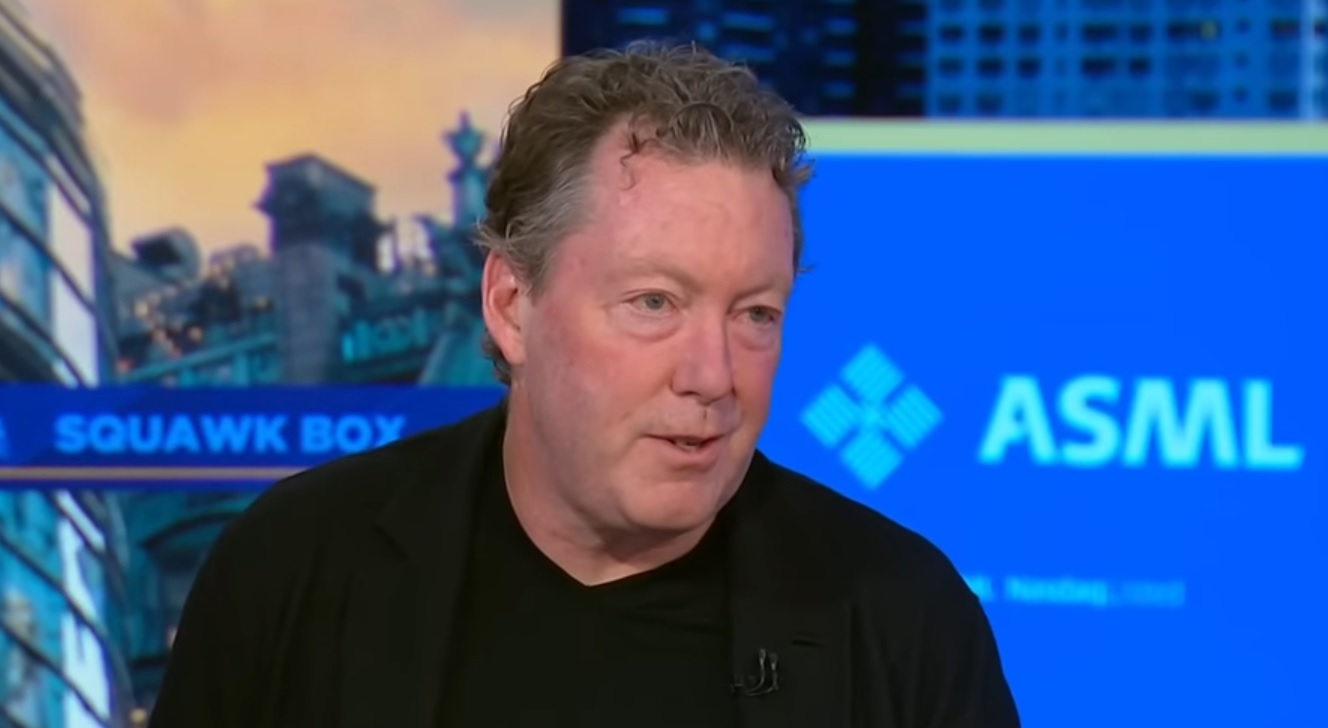
RWA is a nascent and growing niche of the digital asset market.
For Cagney, there are 3 reasons why it would be valid and useful to tokenize something.
The real-world asset (RWA) tokenization narrative has gained traction in recent months, positioning itself as a growing niche in the digital asset market. However, for Mike Cagney, the current enthusiasm lacks a critical analysis of technical efficiency.
The American businessman warned that “the market got drunk on the idea of tokenizing everything” and suggested that It is necessary to take a step back to question the true usefulness of this trend.
Cagney is a key figure at the intersection of Wall Street and digital assets. As co-founder of SoFi and current CEO of Figure, he focuses on the growing cryptocurrency-backed lending industry.
According to the manager, most asset tokenization projects fail when proposing the use of this technology due to “perceived efficiencies” that are not such or by trying to access funds that, in reality, do not exist. For the expert, There are only three valid reasons to put an asset on a decentralized network.
First, Cagney points to transactional efficiencies. The manager explains that Figure uses the Provenance network to reduce loan origination and securitization costs, highlighting that the “real-time movement of assets with synchronized settlement in stablecoins reduces reconciliation expenses.”
Secondly, it mentions liquidity, although it clarifies that the simple act of tokenizing does not automatically generate it. “Liquidity requires ubiquity, truth and market creation,” he noted.
Finally, he highlighted decentralized finance (DeFi) as the most important value proposition for enabling bilateral peer-to-peer lending. «DeFi is asset-based. For it to work, the guarantee must be liquid,” he warned, stressing that No one will lend against private equity interests if there is no secondary market.
The challenge of tokenization compared to traditional markets
Comparing cryptocurrency technology to established markets like Nasdaq, Cagney recognizes operational advantages in decentralized networks:
It’s a little more operationally efficient. It is slightly more liquid, with 24/7 trading (…) And it can be enormously valuable in DeFi: cross-collateralization and stock lending order books. This means that: a) the capital is native to the chain, not an IOU; b) has a liquid line of business; and c) can be transferred to a DeFi market.
Mike Cagney, American businessman and investor.
This focus on digital assets coincides with a growing interest from financial institutions. As CriptoNoticias has previously reported, entities such as BBVA anticipate a banking transformation driven by tokenization. This, while Wall Street giants seek not to be left behind by the migration of securities to digital rails.
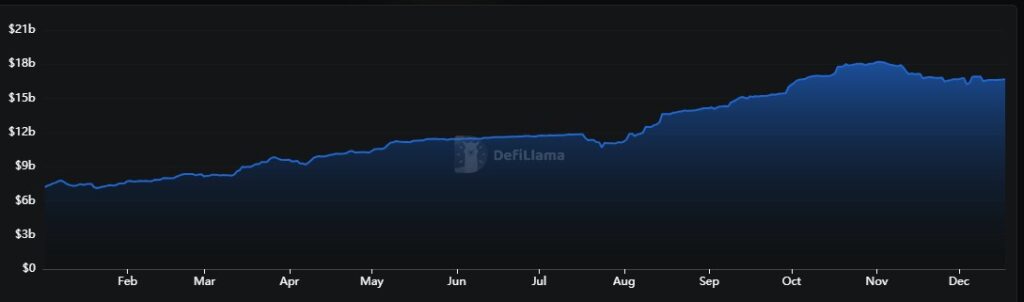
The above is not isolated. The RWA sector has grown exponentially in the last year. The total value of real-world assets that have been tokenized grew 131%, going from USD 7,200 million to USD 16,691 million in 11 months, as seen in the following graph:
Despite criticism about excessive optimism, Cagney believes that we are facing a paradigm shift. In his opinion, the key does not lie in the amount of assets that are brought to the network, but in the infrastructure that allows interoperability. and transparency for the bitcoin market and other digital assets.