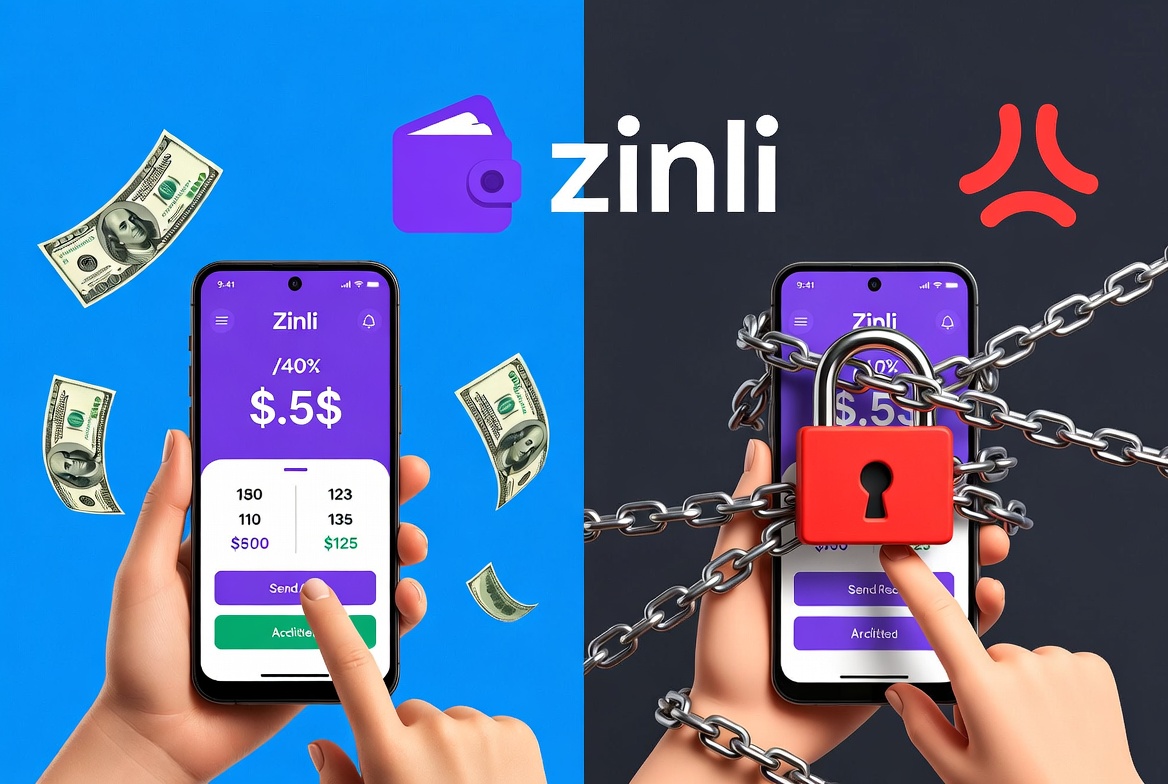
People report recharging with BDV cards, but it is not credited.
The company explains in its conditions that it applies “preventive blocking” as security.
In the last 48 hours, complaints from Venezuelan users against the Zinli digital wallet have spread, especially in X. Many claim that their accounts have been blocked or that the funds from recharges made with Banco de Venezuela (BDV) cards simply disappear.
According to those affected, the bank deducts the money, but the wallet does not pay it and the account is disabled. The most recent case is that of the user @hhhh24041who recharged $500 through the official link and, after debiting his bank account, Zinli did not credit the balance.
“Return my money,” he demanded, labeling the Panamanian authority Acodeco and accusing it of fraud. The user received a response from Zinli in his own message in which he was informed: “We are writing to you in DM to help you with your case.”
This interaction occurred last Tuesday, March 24 and yet the user has not yet received their funds since came back to share a complaint this Thursday the 26th.
This Wednesday the 25th, similar complaints multiplied. @alepej22 reported blocked balance in your USD account after a recharge to Zinli for online purchases: the money was debited, not reflected in Zinli and, after reversal, it was frozen. The user @eduinyovan counted the same story with a reload via link and demanded a direct response from Zinli.
Other users mention delays of 7 to 15 days, rejections in recharges from BDV and the inability to operate while support responds slowly.
CriptoNoticias reported on March 16 that Venezuela is experiencing what is known as the “exchange bicycle,” in which users take advantage of the cheap official dollar from local banks to recharge wallets such as Zinli, Wally or Mony and then trade USDT on Binance P2P at higher prices.
The 10-14% differential generates massive arbitrage, but also alerts fintechs. Experts warn that these practices—reminiscent of the “scratch quota” of previous years—end up affecting “just for sinners” when platforms apply risk controls.
Given the wave of complaints, Zinli has not issued a general statement denying the blocks. Instead, respond case by case in X arguing “management” and referring to email.
In your official page of Frequently Asked Questions, the company explains that it applies “preventive blocking” for unusual transactions to protect users’ money.
“Check your email; there you will find the details and steps to regain access. If you did not receive a notification, contact us by WhatsApp in the ‘Preventive Blocking’ option,” the FAQ states.
The terms of service warn that Zinli may suspend accounts without prior notice in the event of suspicious activitysuch as massive recharge patterns or use in arbitration, although they emphasize that it is a temporary security measure.
While those affected demand quick solutions and some are already evaluating legal action, the tension between the demand for the “exchange bicycle” and Zinli’s risk policies continues to grow.