In Venezuela, the electricity crisis is not a question of lack of power, but of an infrastructure that has lost the capacity to transport it. While the Simón Bolívar Hydroelectric Power Plant, known as the Guri Dam, generates thousands of megawatts in the east of the country, an obsolete transmission network prevents this flow from successfully reaching the center and west. The result is a technical paradox in which the country produces energy that, since it cannot be sent to homes, is simply lost.
Alessandro Cecere, analyst linked to the Bitcoin mining firm Luxor, poses the alternative of monetizing that surplus. That is to say, use Bitcoin mining as a “flex load”.
According to their data, of every 100 MW generated in Guri, Venezuela’s main energy source, only about 40 MW reach paying customers.
The data presented by Alessandro Cecere is largely supported by independent technical estimates for 2025 and 2026. Reports by electrical engineer Julián Gutiérrez and estimates from Siemens Energy and General Electric agree on the gap between the installed capacity and the real generation available, as well as the high losses in transmission and distribution caused by obsolete infrastructure, copper theft and vandalism.
These same diagnoses confirm the advanced deterioration of the 765 kV network, with more than 60% of its components exceeding their useful life, and the existence of significant hydroelectric potential in the Bajo Caroní that currently cannot be dispatched due to transmission limitations.

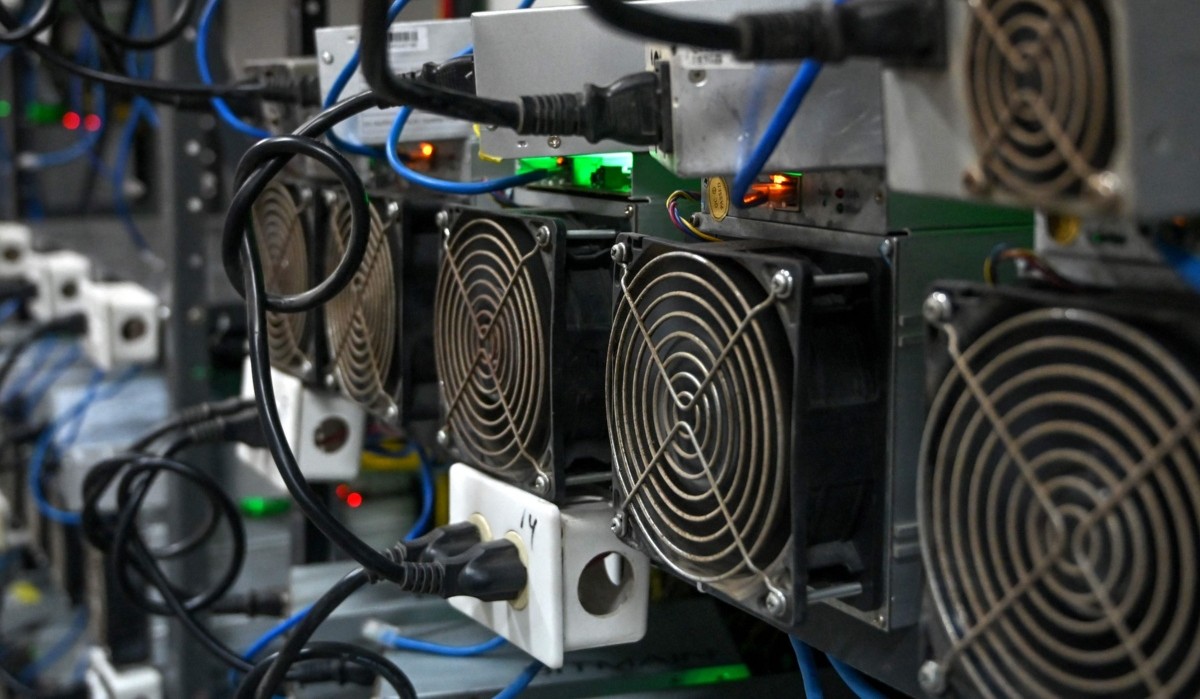
Cecere’s proposal does not seek for computers to compete with domestic consumption. On the contrary, it proposes installing industrial mining centers directly next to generation sources, such as the Guri or Caruachi dams. «Bitcoin mining comes before the network. “It captures the energy that the network loses or cannot transport,” explains the analyst.
By acting as an interruptible load, These centers could consume the electricity that is left over todaybut they would be required to disconnect instantly if residential demand requires that flow.
In regions like Zulia, the plan is similar. It is taking advantage of the associated gas that is currently burned in oil wells, an environmental waste, to power generators that sustain mining activity and generate fresh income for the sector, something that has already been reported by CriptoNoticias.
Lessons from the Congo for Venezuela
To illustrate how Bitcoin mining can protect a physical asset like the National Electricity System, the sector can look to the Virunga National Park in the Congo. After the collapse of tourism due to the armed conflict and Ebola, the park activated digital mining containers connected to its own hydroelectric plants.
In this context, mining made it possible to transform surplus water into salaries for park rangers, ensuring that humanity’s heritage survived its worst financial crisis. However, it would be reasonable for critics to question the model of a private foundation in Africa that can differ significantly from the complex Venezuelan state and regulatory structure.
However, the experience of the Democratic Republic of the Congo is not the only one. Similar models of Bitcoin mining as flexible load already operate in Texas (USA), Ethiopia, Finland and Norway, where it is used to monetize surplus energy, stabilize the grid and generate additional income without competing with residential or industrial demand.
Will Bitcoin mining in Venezuela be rescued?
Cecere had already mentioned before that Guri’s adaptation could lead to Venezuela becoming a powerhouse for Bitcoin mining. And now he adds that the path towards this integration has received an external boost from Washington. In March 2026, OFAC GL 48A and GL 49A licenses opened the door for US companies to provide services to the Venezuelan electricity sector.
While these licenses focus on general infrastructure, Its existence facilitates the entry of private capital which could finance both the recovery of plants and the installation of these “flexible loads.”
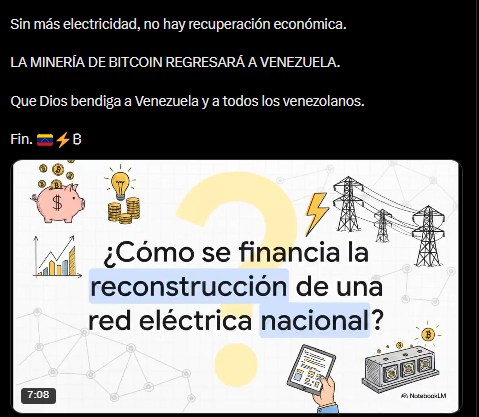
In parallel, a technical table has already been formed that awaits concrete proposals. The Cryptoactive Technical Table of the Venezuelan Chamber of Electronic Commerce (Cavecom-e) formalized a specialized committee to evaluate initiatives to reactivate industrial Bitcoin mining.
This instance seeks to generate a space for dialogue between the private sector and the authorities to establish conditions that allow the orderly return of mining of Bitcoinwith emphasis on the use of surplus gas and without putting pressure on the national electrical grid.
Still, the debate remains heated. While some engineers see mining as the only quick way to earn foreign currency without waiting decades for a new transmission network, other analysts fear that prioritizing these projects will divert resources from residential urgency.
With a potential of 16,000 MW in the Caroní and only 8,500 MW managing to be dispatched, the technical consensus is only one: Venezuela continues to send wealth into the air that, if captured, could finance the reconstruction of its own electrical system.