7 April 2026
India steps up nuclear ambitions as fast breeder reactor at Kalpakkam reaches critical stage
In a historic achievement for its civilian nuclear energy programme, India has announced that its most advanced domestically designed nuclear reactor has reached “critical” – the point where a reactor initiates a controlled, self-sustaining nuclear chain reaction.
This milestone includes the Prototype Fast Breeder Reactor (PFBR), a 500 MW power facility located at Kalpakkam near the city of Chennai in India’s southern state of Tamil Nadu.
This development – which was announced by Prime Minister Narendra Modi on Monday night – is an important step towards full operation and power generation.
It also advances the second phase of the country’s three-stage nuclear program.
Modi described the milestone as a “decisive” step in India’s civil nuclear exploration and a “proud moment” for the country.
“Indigenously designed and built prototype fast breeder reactor at Kalpakkam has acquired significance,” Modi wrote on Twitter.
“This advanced reactor, capable of producing more fuel than it consumes, reflects the depth of our scientific capability and the strength of our engineering enterprise,” he said.
The Prime Minister said it was a “decisive step” towards harnessing India’s vast thorium reserves in the third phase of the programme.
Thorium is a potential fuel for nuclear reactors.
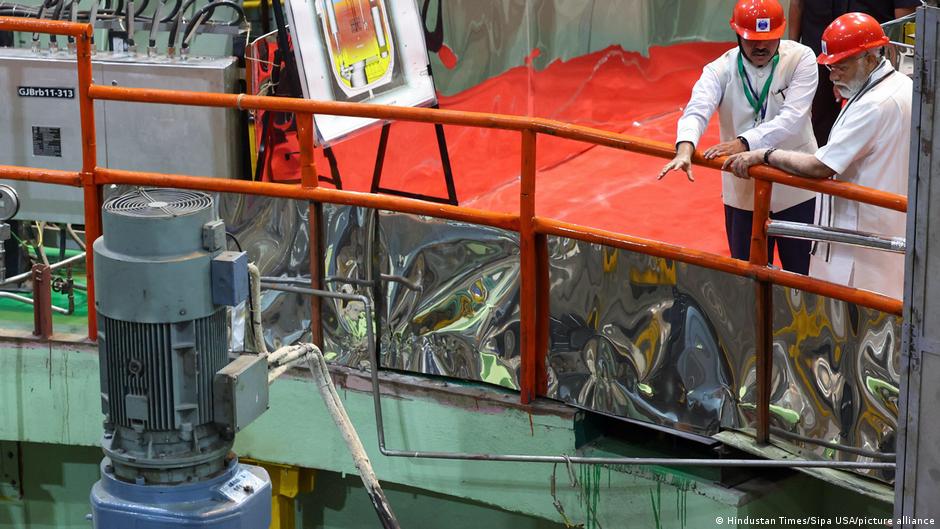
In 2024, Modi had visited the facility to witness the beginning of core loading.
India – the third largest emitter of greenhouse gases – is on an ambitious journey to expand its nuclear power capacity from the current eight to 100 gigawatts by 2047.
Fast breeder reactors are important because they can generate more fissile material than can be used, making them valuable to countries seeking long-term nuclear stability.
Once fully operational, India will be the second country after Russia to have a commercially operated fast breeder reactor.