
A bitcoin (BTC) “shark”—as entities holding between 500 and 1,000 BTC are called—transferred a total of 300 BTC to Binance today, April 7, 2026, apparently to sell.
The investor transferred its assets to the exchange breaking a one-year period of inactivity on the part of this fork.
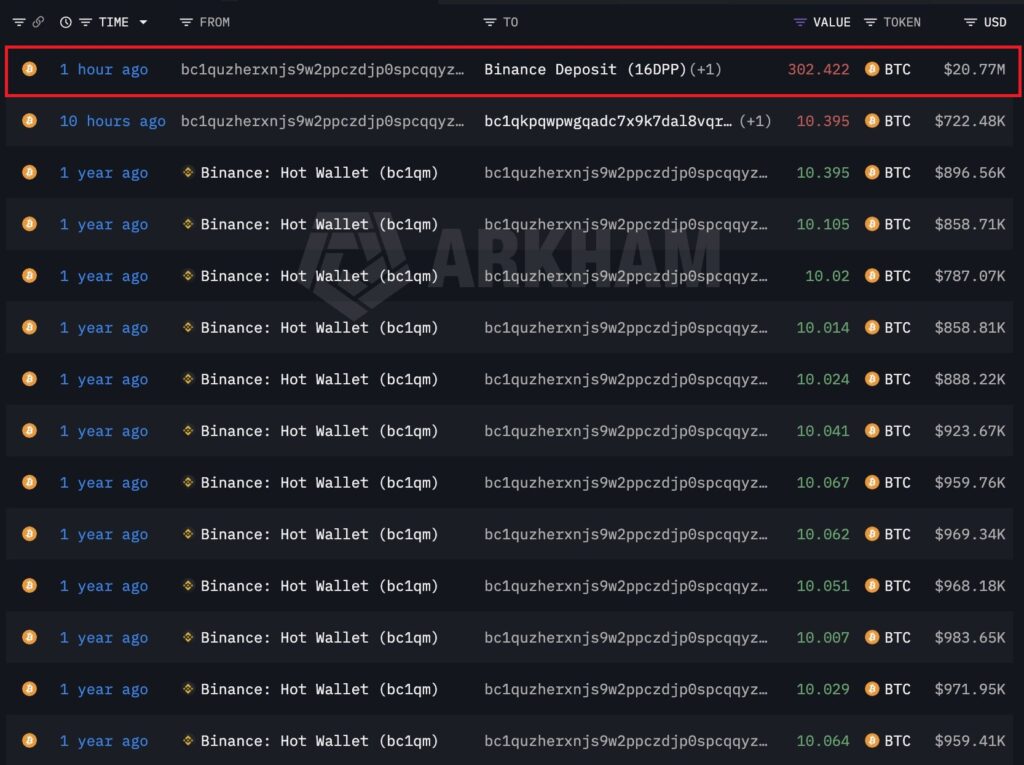
The investor purchased these coins (or at least withdrew them from Binance) between January 11 and March 2, 2025. In total he acquired a total of 513 BTC.
At that time, the average purchase price was $97,000 per unit. However, the current price of the asset is around $68,400, which led the investor to sell under unfavorable conditions.
The transfer of the 300 BTC executed this Tuesday is equivalent to about 20 million dollars in terms of current market value. When comparing the entry price with the exit price, the accumulated loss for this user exceeds 14 million dollars. This type of action is known as capitulation. This occurs when investors decide to sell their assets despite losses, usually out of fear of greater declines.
This behavior is not an isolated event within the sector. The movements of large capital to platforms like Binance have grown since last February.
Historically, the increase in these inflows to exchanges is considered a bearish signal. This happens because the coins leave private storage wallets to be available for immediate sale.which usually puts downward pressure on the price.
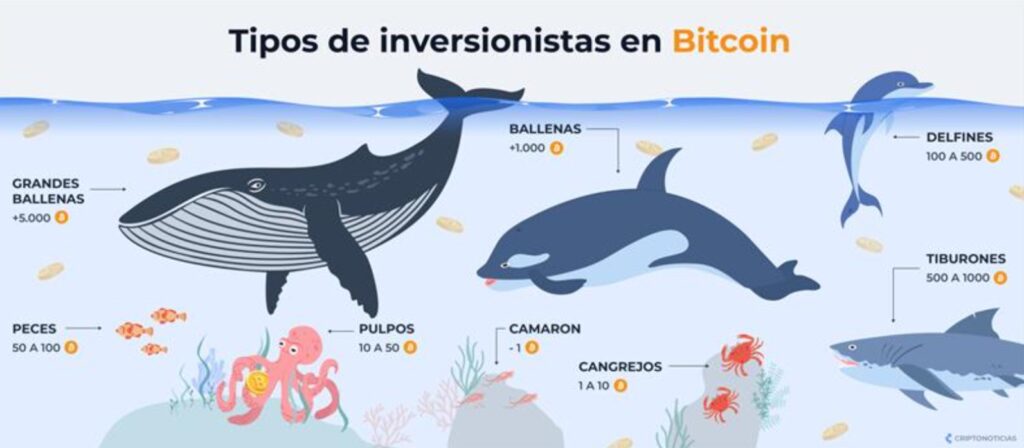
The magnitude of recent losses has escalated significantly. During the first quarter of 2026, both sharks and whales (holders of 1,000 BTC or more) recorded accumulated losses of $30.9 billion. This represents the worst quarterly performance for large holders since 2022as reported by CriptoNoticias.
These massive sales arise in the midst of a complex global economic environment that affects assets considered “risky” such as BTC.
Bitcoin’s weak performance coincides with a period of high interest rates and geopolitical tensions arising from conflicts in the Middle East. These factors discourage investment, since capital tends to seek more traditional and stable refuges.