The National Securities Commission (CNV) of Argentina formalized Resolution 1125/2026 on April 7, 2026, a step that integrates bitcoin (BTC) and other digital assets in the calculation of the assets necessary to be considered a qualified investor.
This category allows citizens to access more sophisticated investment instruments and markets restricted to the general public. However, the measure raises technical questions about how these funds will be creditedespecially for those who choose self-custody.
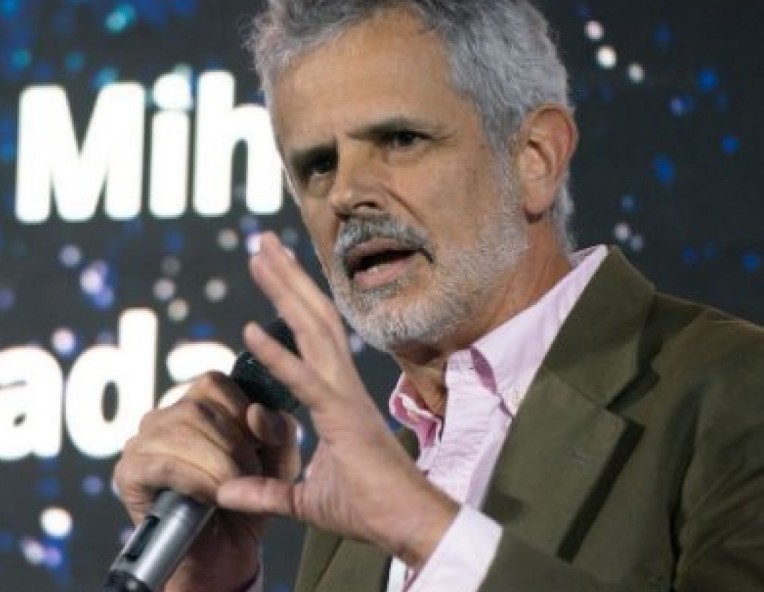
For Ricardo Mihura Estrada, partner at Leverone & Mihura Estrada and member of the Board of Directors of the NGO Bitcoin Argentina, the measure is a logical response to the reality of the current market. As he explained to CriptoNoticias:
The novelty that the CNV brings us regarding recognizing as a qualified investor anyone who has virtual assets in their assets is very reasonable. Today no one can doubt bitcoin as a store of value. Other cryptoassets have also proven to have sustainable value. The status of qualified investor defined by the CNV is something that must be verified in each case by fund placement agents, according to their criteria.
Ricardo Mihura.
The cost of financial visibility
As reported yesterday, the resolution establishes a clear obligation for market agents, who must verify on a case-by-case basis that the declared assets are real. However, the standard stops just short of technical execution and does not detail how to validate ownership of non-custodial assets on centralized platforms.
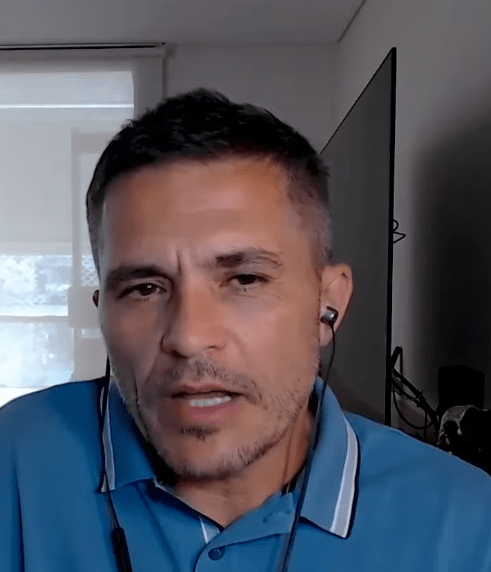
Precisely in this omission lies the main conflict. Matías Mathey, head of the Self-Custody and Audit Department of the NGO Bitcoin Argentina, warns that this loophole could compromise the financial sovereignty inherent to bitcoin. In his analysis for CriptoNoticias, Mathey highlights risks for private key users:
The regulations do not specify what type of custodians or wallets will be valid to certify the ownership of funds before the CNV, nor the technical audit and evaluation criteria. The trap is subtle because the rule indirectly encourages taking SATs out of self-custody and depositing them in regulated custodians that can issue a certificate recognized by the CNV. That is exactly the opposite of sovereignty.
Matías Mathey.
This operational ambiguity adds privacy concerns, as crediting assets could require exposing financial histories. Mathey emphasizes it:
For your bitcoin to count as assets before a regulator, you will have to reveal your UTXOs, your amounts, possibly the bitcoin addresses. This creates a vector of exposure of financial information that until today did not exist for the self-custodial hodler. In a country with a history of corralito, stocks, and confiscations, that is not a minor detail.
Matías Mathey.
Despite the controversy, the resolution fits into the deregulation agenda of the Ministry of Economy. Mihura Estrada proposes as the next step to enable local mutual funds with bitcoin and cryptocurrencies, independent of US ETFs. This would generate domestic instruments, with fees settled locally.
However, the Argentine bitcoiner community is alert. They believe that without clear verification protocols, investors must choose between institutional legitimation (with loss of privacy) or financial marginality.