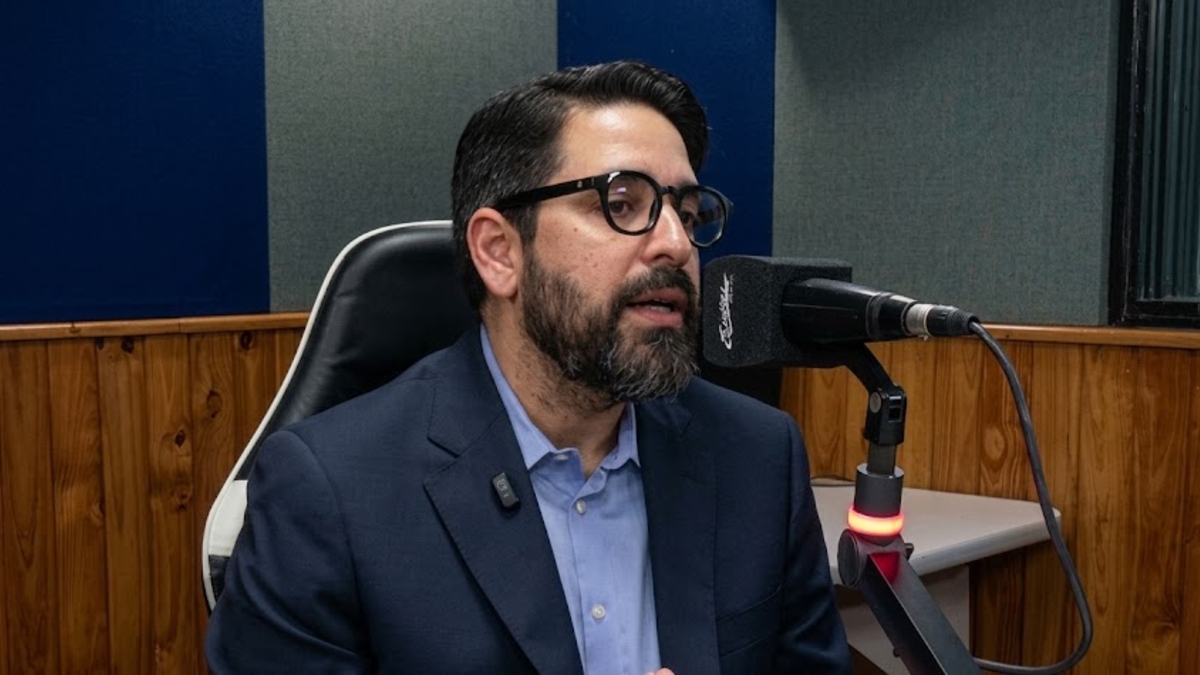
The interconnection between cryptocurrency platforms and financial entities could be enhanced.
According to Oliveros, the relaxation of sanctions will reduce the exchange gap.
The recent decision by the United States Department of the Treasury to issue General License No. 57 marks a turning point for the Venezuelan financial system. This measure authorizes financial services operations with the Central Bank of Venezuela (BCV) and various public sector banking entities, which, according to specialists, could lead to greater interconnection between cryptocurrency platforms and traditional banking.
The economist and business consultant Asdrúbal Oliveros pointed out this Wednesday, April 15, in an interview, that this softening of financial sanctions has the potential to transform daily economic dynamics, democratizing access to foreign currency and making savings more fluid that millions of citizens keep in digital currencies.
In Venezuela, the use of digital currencies, especially stablecoins, has become a financial survival tool. However, the disconnection with the formal banking system represented a barrier to the liquidation of these funds. Oliveros highlighted that the flexibility will facilitate “opening mechanisms between the crypto universe and banking, with dollars and transfers.”
The integration between both ecosystems would allow users convert your digital assets into traditional bank balances with fewer operational obstacles. This would benefit not only individuals, but also small and medium-sized businesses (SMEs) and entrepreneurs that until now operated in a highly restrictive environment.
The analyst also explained that The measure allows expanding the spectrum of actors who participate in the exchange market:
It can expand the number of companies, sectors and people that can access foreign currency; With this mechanism, a greater number of banks can participate, not only through prepaid cards – where there is a fairly restricted universe today – but also transfers can be made, which can even be transfers abroad.
Asdrúbal Oliveros, economist.
The exchange gap will be reduced
In addition to connectivity with the world of cryptocurrencies, the economist foresees an improvement in the availability of cash and a reduction in the exchange gap. Access to physical currency is a constant demand from the common citizen, since, in the analyst’s words, “handling these prepaid cards to pay, especially within Venezuela, has its complications.”
As you see it, the normalization of the international financial relations of the BCV and public banking Enables dollars and digital assets to flow more freely towards the real economy.
The future perspective suggests that, if this softening trend continues, the Venezuelan financial system could undergo accelerated modernization. By eliminating the barriers that prevented “liquidating” funds from digital platforms to bank accounts, operational inefficiency and transaction costs are reduced.
Oliveros concluded that the number of possibilities that this flexibility opens up “is very broad” and results in a direct improvement in people’s quality of lifeby integrating digital asset technological solutions with the formal banking structure.
CriptoNoticias reported earlier that the United States Department of the Treasury issued General License No. 57, a measure that authorizes financial services transactions with the BCV and three other public sector banking entities, such as Banco de Venezuela, Banco del Tesoro and Banco Digital de los Trabajadores.
After hearing this news, the price of USDT in Venezuela fell from 639 bolivars to an average of 622 bolivars in a matter of minutes.
The license, which came into effect on April 14, only relaxes sanctions against Venezuela’s public banking sector, since neither the BCV nor other public banks are free to transact with whoever they want.but with entities permitted by the US.