
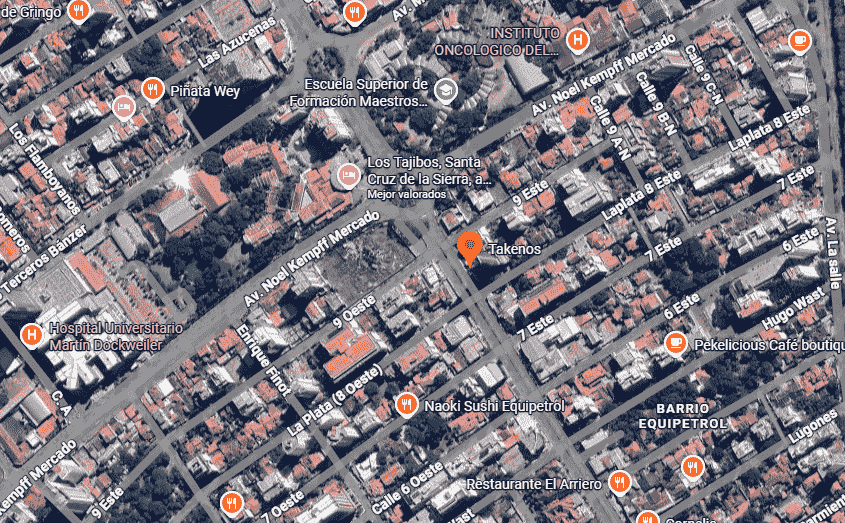
The infrastructure of digital assets is beginning to gain ground compared to traditional administrative channels in Latin America. In this context, the Argentine company Takenos announced its presence in Bolivia by opening a commercial office in Santa Cruz de la Sierra, in the eastern plains of the country, after completing a year of digital operations, modifying the firm’s regional map.
The movement responds to a reported growth of 350,000 users in Bolivian territory since April 2025; This volume has positioned the country as the market with the greatest activity for the platformexceeding initial expectations.
“In just twelve months, Bolivia became Takenos’ main market in the region,” the company stated. The phenomenon coincides with a period of high demand for financial alternatives by local consumers, who turn to stablecoins, as CriptoNoticias has been reporting. This is to mitigate the effects of exchange restrictions and the operating costs of international banking.
Through low-cost networks like Polygon, stablecoin settlement infrastructure enables the receipt of cross-border payments, which can then be converted into local currency.
Although the use of stablecoins reduces time and costs compared to traditional bank transfers, it also entails risks for users, such as dependence on the solvency of the issuers and the possibility of blocking funds.
This operational advance occurs in an environment of institutional caution: although the Central Bank of Bolivia made the use of cryptoassets more flexible in mid-2024, the authorities maintain strict surveillance over exchange platforms to prevent capital risks.
The case of Takenos in Bolivia adds to the trend observed in Venezuela and Argentina, where fintech companies that operate with stablecoins are gaining ground in economies with strict currency controls, such as the US dollar.
With the opening in Santa Cruz, the integration between new generation solutions and the traditional system enters a consolidation phase. Thus, the success of this model in Bolivia reflects a regional trend where Digital technology attempts to make up for the deficiencies of correspondent banking, although its long-term sustainability remains subject to the evolution of local regulatory frameworks.