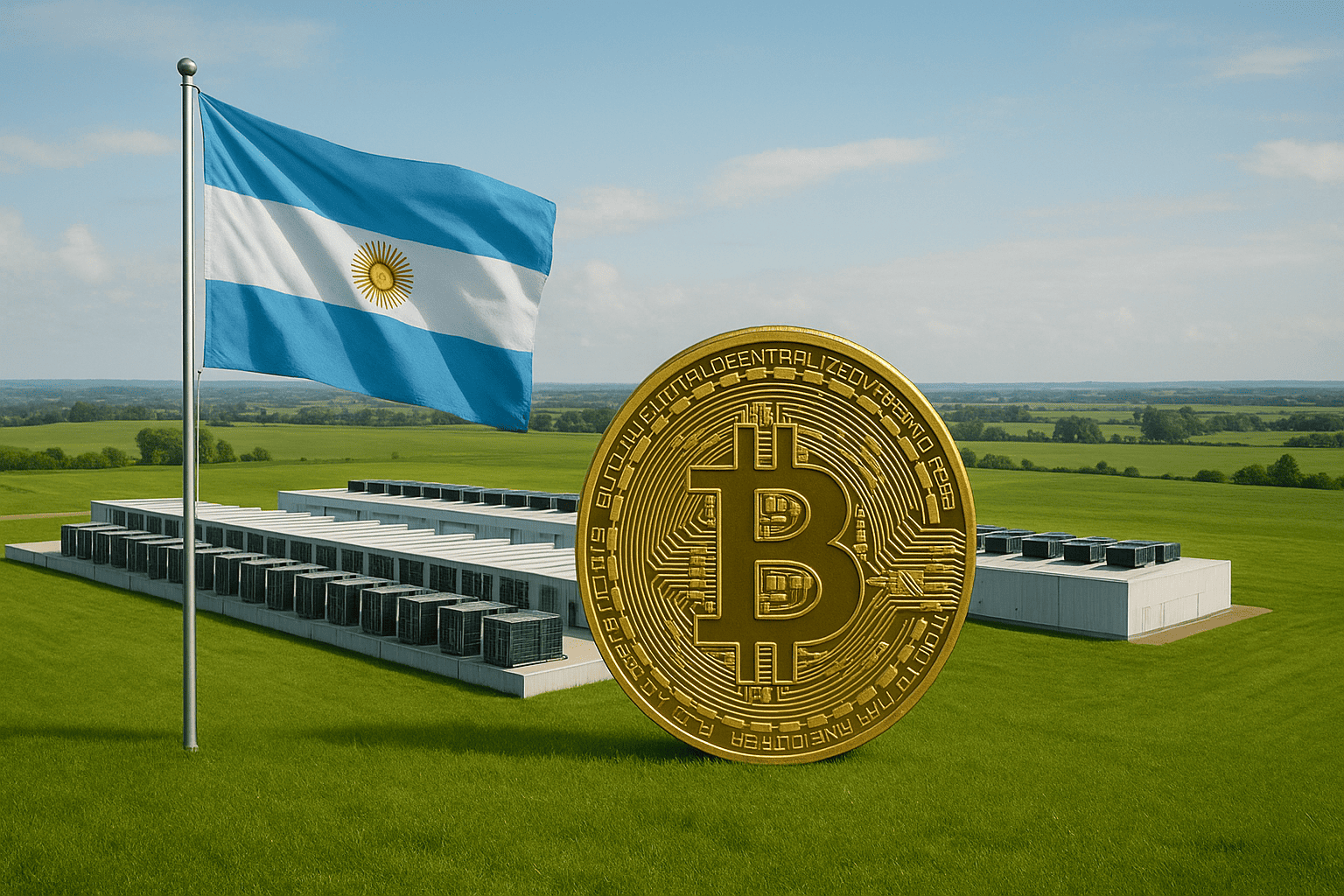
The cost of mining bitcoin in Argentina went from USD 0.11 per kWh to around USD 0.25 in a few years.
The factor that today defines whether a mining operation in Argentina is viable or not is the electrical cost.
This article was written by Joel Fernández Koloff, member of the CD and responsible for the “100 Nodos” project of the NGO Bitcoin Argentina. He is also an ambassador for ViaBTC and the CoinEx exchange in Argentina.
From my experience within the industry, having started mining bitcoin in Argentina with GPU in 2018 and subsequently focusing on Bitcoin mining since 2021, I can say with complete clarity that the current scenario is very different from the one we experienced a few years ago in the country.
At that time, especially during the GPU era, we went through what many of us consider a true “golden age” of mining. Not only because of the accessibility of the hardware or less competition, but mainly because of a factor that made the difference in Argentina: the cost of energy (where it happened from USD 0.11 per kWh to around USD 0.25 per kWhdepending on where the farm is located).
For a long time, subsidized electricity made mining cryptocurrencies a highly profitable activity even on a small scale.
Mining in Argentina changed structurally
The progressive removal of subsidies energy completely transformed the panorama. Currently, the cost of electricity is no longer just another variable within the business: it is, directly, the factor that defines whether a mining operation is viable or not.
On a personal note, I consider that In Argentina today it is only possible to think about profitable mining if differential energy conditions are accessed. This can occur through industrial tariffs, specific agreements or the use of alternative energies. At this point, models that are already being applied both internationally and locally begin to gain relevance.
A specific case is the use of venting gas in the oil industry, where companies like Crusoe Energy Systems convert energy waste into electricity to mine Bitcoin. In Argentina, particularly in the Vaca Muerta area, these types of solutions are already being explored, which opens an interesting door for the development of the activity in the country.
At the local level, initiatives such as Cryptogranjas are also beginning to emerge, which focus their model on the use of renewable energy, showing that even in a challenging context there is still room for innovation and efficiency.
Argentina is very far from El Salvador in mining, but there are opportunities
This is not something new on a global level. Countries like El Salvador have already advanced in mining using geothermal energy from volcanoes, while other models, such as those developed by Genesis Mining in Iceland, take advantage both clean energy and favorable climate conditions to reduce operating costs.
Even within Argentina, southern regions could offer similar advantages in terms of natural cooling, while in certain specific cases it is also possible to take advantage of energy surpluses that cannot be injected into the network.
In parallel to this context, from my role within the ecosystem, we have also been participating in conversations and links with different industry actors in Latin America.
Through joint work with ViaBTC, spaces for dialogue are being created with miners (especially from the industrial segment) to understand their challenges, their vision and the projections of the sector in the region. In that same ecosystem, CoinEx, as a cryptocurrency exchange, has been playing an active role in the education and expansion of knowledge in Latin America, something key for long-term development.
The cost of ASICs also penalizes Argentine miners
However, there is another factor that cannot be ignored: the cost of equipment. Today the ASIC prices are strongly linked to the expected return on investment. This makes the opportunities for a quick recovery increasingly slim. achieve a break-even in less than 18 months, which was previously a reasonable objective, today becomes difficult without really favorable conditions.
In parallel, domestic mining lost much of its competitiveness. What once could work with one or two machines in a residential environment today requires scale, efficiency and planning. It is therefore not surprising to see a growing trend towards collaboration: alliances between miners, integration into larger structures and the search for joint efficiency to reduce costs.
When we broaden our view at the regional level, the panorama also offers interesting contrasts. Countries like Paraguay, thanks to their access to hydroelectric energy from the Itaipú Dam, have established themselves for years as one of the main mining hubs in Latin America. For its part, Brazil presents opportunities in certain regions, although with a more regulated and less flexible framework than in the past.
From my place, and based on years of experience and constant dialogue with other miners in the region, the conclusion is clear: Bitcoin mining did not disappear, but it was no longer an accessible opportunity for anyone in Argentina.
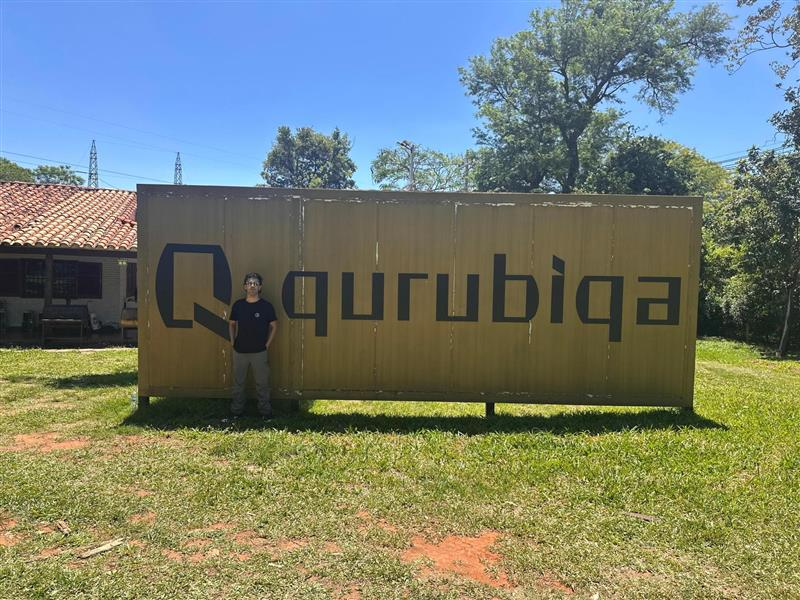
Today, if a person does not have access to cheap energy, operational scale or specific technical conditions, It is very difficult, if not impossible, to achieve profitability.
And beyond the numbers, there is also something that cannot be measured on a spreadsheet. One of my great passions has always been hardware. Every time I visit a factory farm and hear the constant hum of thousands of machines working at the same time, securing and verifying the Bitcoin network, I inevitably get goosebumps. That’s where you really understand the magnitude of what we are building.
The future, as always in this industry, is uncertain. But it is also true that we have the resources, knowledge and experience to reposition ourselves on the Bitcoin mining map.
At least, from my personal perspective, Argentina still has something to fight against.
Disclaimer: The views and opinions expressed in this article belong to its author and do not necessarily reflect those of CriptoNoticias. The author’s opinion is for informational purposes and under no circumstances constitutes an investment recommendation or financial advice.