The Iran war is having a profound impact on global aviation, with jet fuel shortages and rising prices wreaking havoc on flight routes.
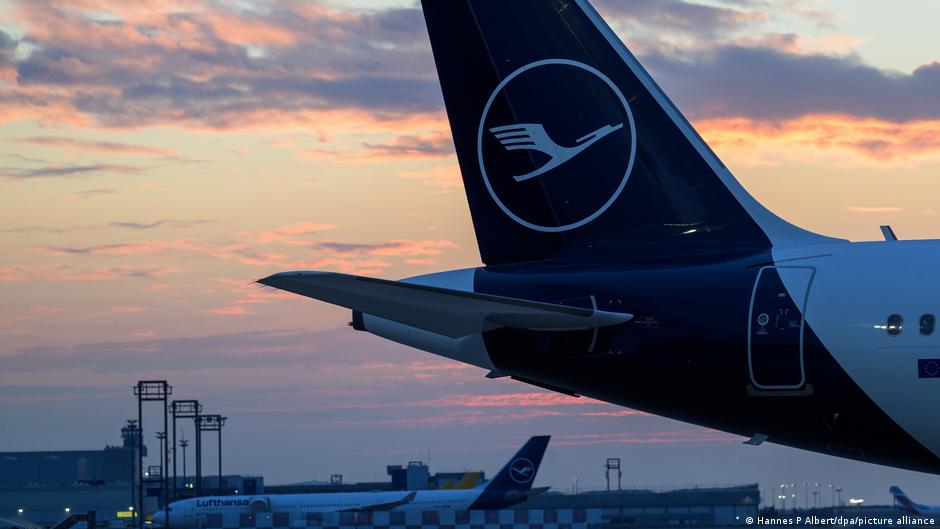
On Tuesday, April 21, Lufthansa, Germany’s largest carrier, announced it had canceled 20,000 flights between May and October to try to save fuel.
The airline said the cuts to short-haul flights would drain “the equivalent of approximately 40,000 metric tons of jet fuel, the price of which has doubled since the outbreak of the Iran conflict.”
Dutch airline KLM last week canceled 160 flights for the coming month, while other airlines in Europe and the Asia-Pacific region are raising prices and grappling with the prospect of mass flight cancellations as the summer holiday period approaches.
Fatih Birol, executive director of the International Energy Agency, recently said Europe had only six weeks’ supply of jet fuel left, while EU Energy Commissioner Dan Jorgensen said the crisis was heading “toward a supply crisis” amid high prices.
He said member countries are already exploring the possibility of sharing jet fuel stocks among them to maintain air travel.
The continued closure of the Strait of Hormuz has severely disrupted global gas and oil flows. Europe’s aviation sector is particularly exposed, as most of the region’s kerosene imports for jet fuel go through the Middle East.
fuel supply is running low
However, there is some disagreement over how quickly the supply might actually run out. On Monday, the Dutch government said it estimated the EU had enough kerosene for at least five months for jet fuel and other purposes such as heating and lighting.
The Netherlands is home to some of the largest crude oil refineries in Europe, many of which import kerosene and produce jet fuel. The EU produces between 60% and 70% of its jet fuel, while importing 30–40%, with about half coming through the Strait of Hormuz.
“This is a really serious warning and a clear call to action,” Rico Luman, senior transportation economist at ING, told DW. He believes the six-week estimate may prove accurate and believes EU plans for fuel sharing may have to be implemented.
“The principle of solidarity is considered important in contingency planning and in practice this will promote sharing between centers and countries,” he said.
However, John Grant, chief analyst at aviation data company OAG, does not think the situation is as “dire” as some estimates and says many of the flights canceled so far have been on routes with a high frequency of alternatives.
What are the EU’s plans?
European Union transport ministers met on Tuesday To discuss plans to deal with jet fuel shortage and provide guidance to airlines. The bloc’s Transport Commissioner Apostolos Tzitzikostas said a prolonged blockage in the Strait of Hormuz would be “catastrophic” for Europe and the global economy.
The European Commission will present a package of energy and transport measures on April 22, including plans for the collective management of jet fuel stocks and the possible distribution of existing supplies between member states.
Another measure being considered is allowing member countries to buy more jet fuel from the US. “If this crisis continues, we are ready to intervene and make things more flexible for airlines,” Tzitzikostas said.
options in short supply
The crisis has had little impact on the weakness of airlines’ supplies, especially in Europe and Asia, where dependence on kerosene coming from the Middle East is high.
In a report last November by the International Air Transport Association (IATA)A trade body for the airline industry warned that “Europe’s jet fuel supply resilience has weakened due to increased reliance on imports.”
It said the sector is particularly dependent on conventional jet fuel and urged industry stakeholders to increase the use of sustainable aviation fuels (SAF), which are biomass-derived fuels from plants, animals or waste.
The EU’s ReFuelEU aviation regulation, which comes into effect in 2024, mandates a gradual increase in SAF at EU airports, reaching 6% by 2030 and 70% by 2050. The rate is 2% from January 2026. However, both low supply and high costs are issues for the SAF.
“There aren’t a lot of options available to the aviation industry,” Luman said. “It is not realistic to move further into SAF as an option given the available supply. Additionally, SAF prices have increased along with jet fuel.”
High prices and volatility are the new normal
Even if jet fuel supplies are not completely exhausted, rising prices are likely here to stay, increasing the cost of airline tickets to consumers.
While many major airlines engage in jet fuel “hedging,” a strategy where they lock in future prices to avoid volatility, some had moved away from the practice in recent years, according to Yi Gao, associate professor at Purdue University’s School of Aviation and Transportation Technology.
He says airlines have been warning consumers for years about how rising energy prices could affect fares at short notice. “They are very subtly getting this message across to the public: Please buy your tickets now.”
In terms of a way out of the crisis, Luman said the only realistic short-term solution, assuming the strait will remain closed, is a reduction in fuel consumption. He expects more cancellations as part of an emergency plan and says price increases are inevitable.
“This is a global market and the fight for jet fuel begins when supplies get tighter,” he said.
He cites the example of Asia, where jet fuel prices are already very high and traders sell to those who pay the highest price. Hong Kong’s Cathay Pacific, Air New Zealand and Malaysia’s Air Asia
The crisis has once again shown the sector’s sensitivity to geopolitical events and the risks they pose to damaging consumer confidence, a key concept in aviation.
“This shows how fragile this industry really is,” Gao said. “Its operation is based on a number of assumptions such as stability, availability of airspace and relative affordability of fuel.”
Edited by: Srinivas Majumdaru