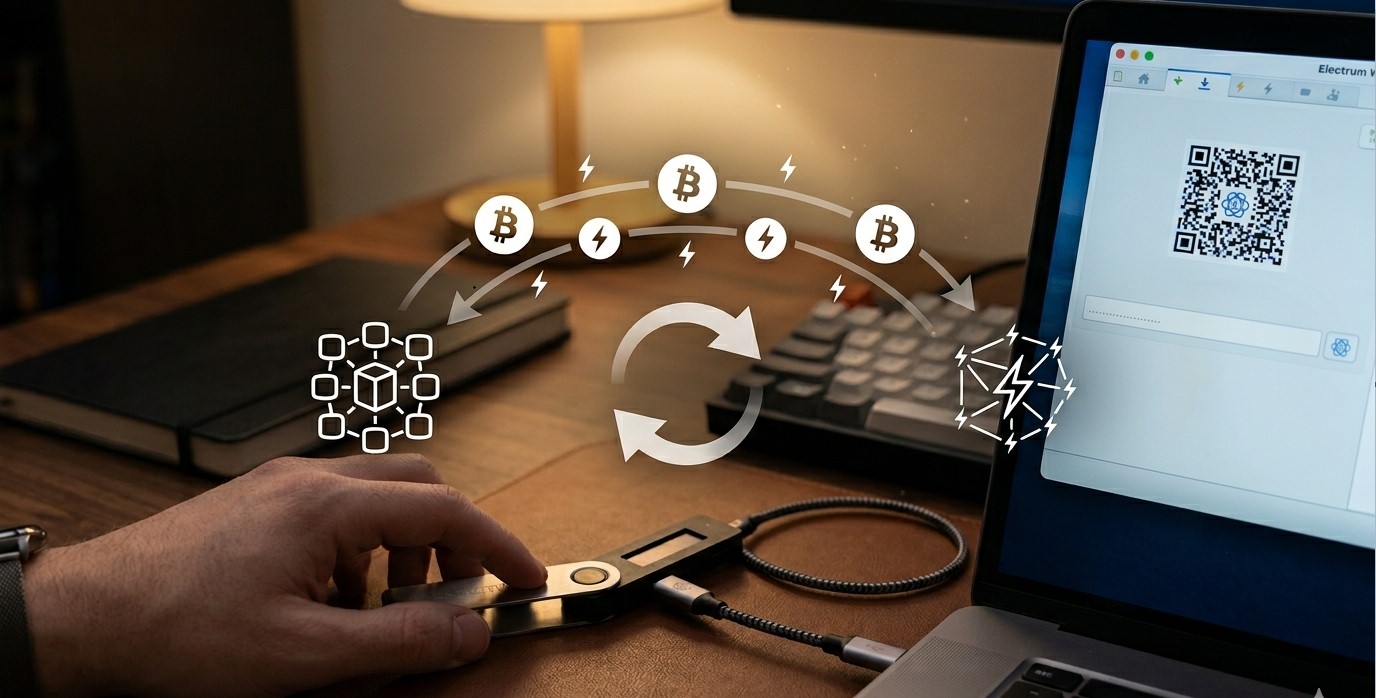
The development allows funds to be redeemed without using a centralized exchange.
The exchange is in beta phase, looking for bugs.
Whales Exchange, a decentralized exchange (DEX), comes to the ecosystem with an interesting proposal, which has generated conversation both for its technical aspects and for a recent exchange of words with the Electrum team about the implementation of underwater exchanges (submarine swaps).
Through a publication in X, the team Boltz introduced Whales Exchangethis April 26, as a platform focused on simplicity and financial sovereignty. Unlike centralized exchanges, this site does not require registrations or identity verification processes (KYC), allowing users to operate directly from their wallets. “Try it, find bugs, help us improve it!” says the statement, reminding us that it is an open source development.
What does Whales Exchange offer?
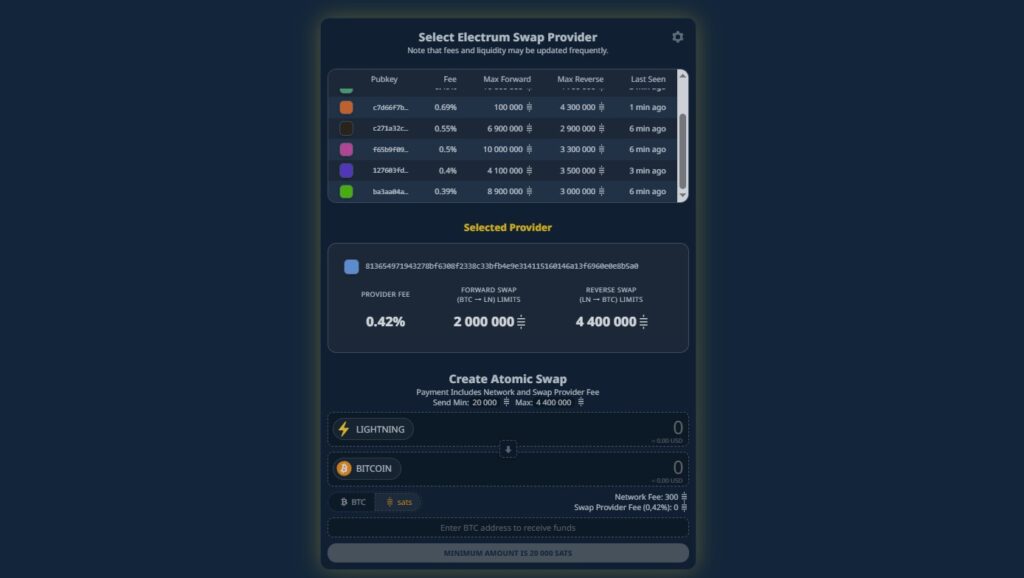
When visiting your websiteyou can see a minimalist interface designed exclusively to facilitate exchanges. The service leverages the infrastructure of Boltz, an atomic swap protocol, and uses the Electrum implementation to manage smart contracts that ensure transactions are secure and non-custodial.
The first version of the platform specializes only in reverse exchanges (reverse swaps). Additionally, the developers warn: “only use amounts you are willing to lose,” a reminder that a certain number of bugs would be expected in beta, even if they never occur.
But what are reverse exchanges?
In the Bitcoin space, there are two main types of underwater exchanges (submarine swaps):
- Normal exchange: user sends bitcoin on-chain and receives satoshis on a Lightning network channel. It is ideal to recharge liquidity.
- Reverse swap: it is the opposite process. The user sends a payment over the Lightning network and receives bitcoin directly to their main chain address (on-chain).
This method is especially useful for users who have accumulated a lot of funds in Lightning and want to move them to ato cold wallet or without going through a centralized exchange. “Atomicity” ensures that neither party can defraud the other: If the exchange is not fully completed, the funds return to their original owners through time-locked contracts (HTLC).
The technical discussion has already begun
The launch was accompanied by a preliminary debate. Through the official Whales Secret account on X, the developers of the exchange made an observation about the current status of the Electrum code which allows atomic exchanges to be carried out.
When reviewing the Electrum code for direct exchange, we see this, which we find unfortunate. With the old flow, we could easily implement support for direct exchanges, but we don’t know how to do it with the new flow, since we have no control over the user’s LN wallet. Any ideas or possibilities to re-enable old stream support on the servers?
Whale Secret
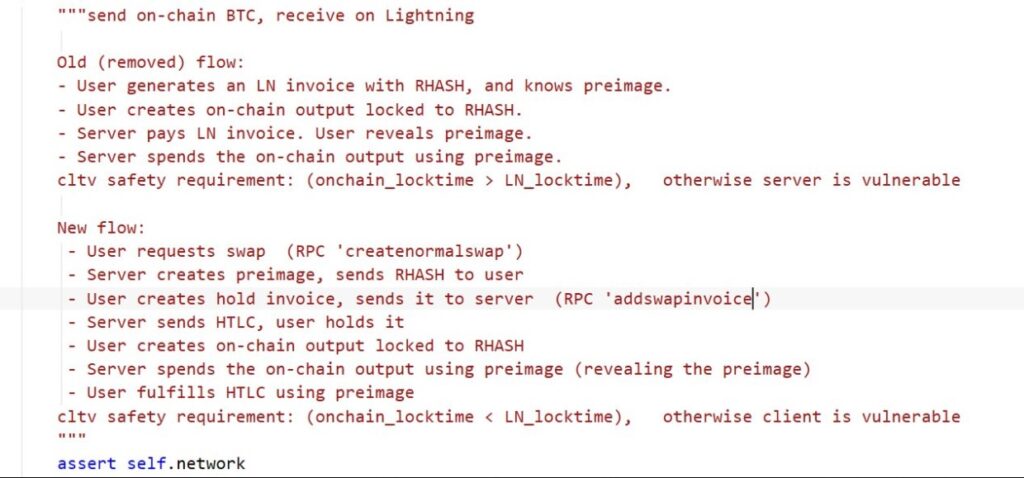
The Electrum’s responsewhich pointed out the importance of this development on social networks, did not wait long. The team behind one of the oldest and most respected Bitcoin wallets clarified that “the old method was removed because sometimes the servers fail to find a route for the LN payment, in which case users must receive a refund on-chain (locked funds + mining fees). The new method is not supported for bolt11 invoices; “requires a wallet that supports retention invoices.”
Later, the Whale Exchange team commented that with the previous flow the server could reject the exchange and that they saw in the new flow the possibility of reverse exchanges failing and causing their users to lose funds. The Electrum team immediately came forward: “If the server uses our protocol (not Boltz), a failure in the reverse exchange will not cause the user to lose commissions, since the invoices are grouped.”
The discussion ended with a invitation from the Electrum team to continue the discussion on GitHub, reminding us that social media isn’t exactly practical for that kind of conversation.
For advanced users looking to move funds from Lightning to the main chain with privacy, Whales Exchange represents an interesting alternative, as long as you keep in mind that it is a standalone and early-stage tool.