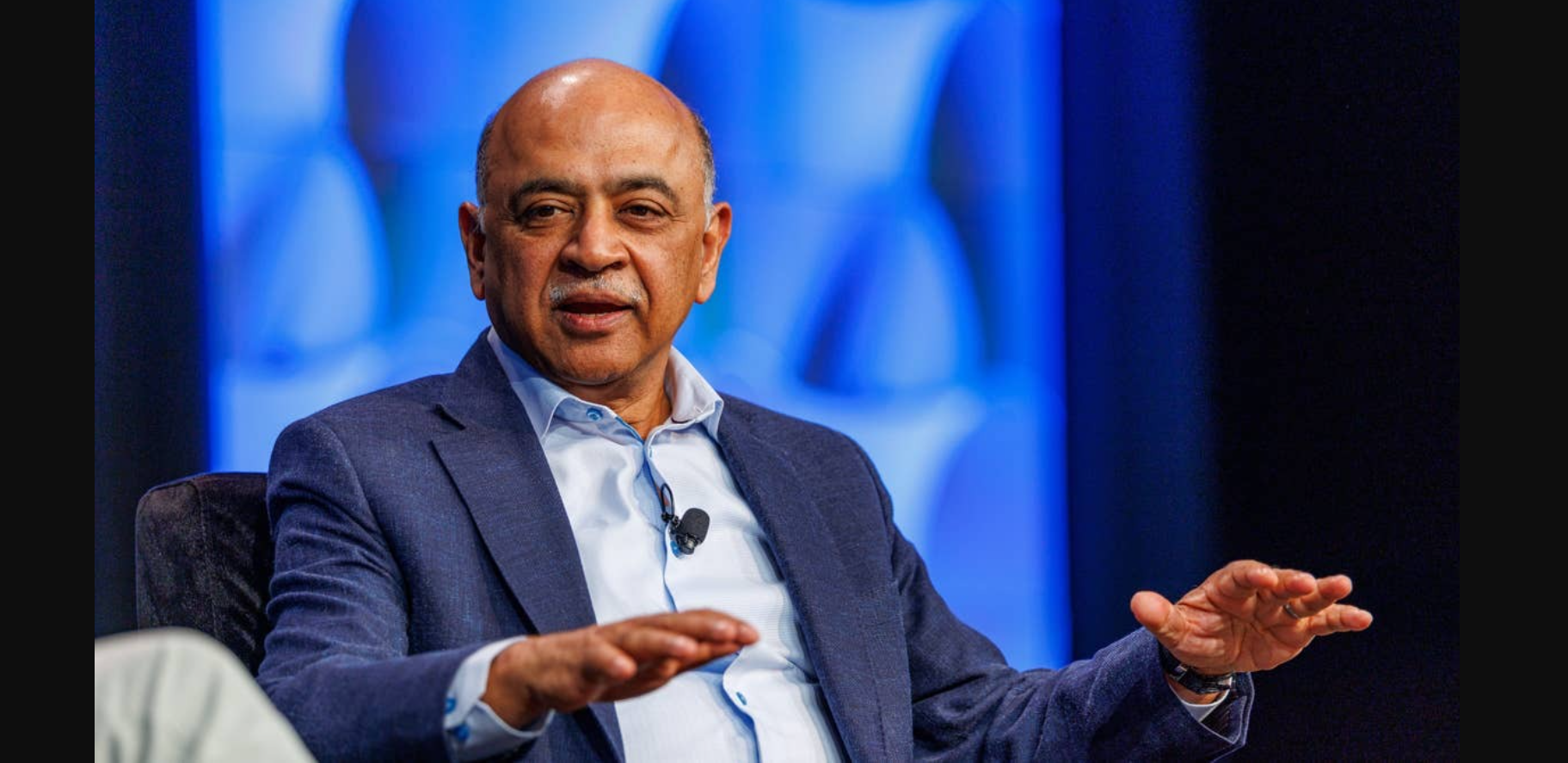
IBM CEO Arvind Krishna stated in an interview published by Semafor on April 17, 2026 that quantum computing could be available between 3 and 5 years, placing this advance as a possible technological turning point. According to the executive, the company is moving towards systems capable of solving problems outside the scope of current artificial intelligence.
Krishna pointed out that IBM working on a fault-tolerant quantum system scheduled for 2029. This type of architecture seeks to correct inherent errors to the qubits (the basic units of quantum computing), one of the main obstacles to scaling this technology in a useful way.
The company maintains that its roadmap already shows initial results. In March 2026, IBM used its hardware quantum next to the Cleveland Clinic to simulate a system of 300 atoms, a relevant advance for drug discovery research. He has also managed to model magnetic materials, with applications in energy and electrification.
According to Krishna, these developments point to specific use cases. in your visionquantum computing does not replace artificial intelligence, but rather complements it: AI predicts patterns, while quantum systems could calculate solutions to complex problems that are insurmountable today.
IBM is also working on a quantum-centric supercomputinga hybrid model that integrates classical and quantum computing in the same system. The objective is to prepare the infrastructure for a progressive adoption of this technology. In parallel, the company hopes that some partners will reach their first cases of quantum advantagethat is, situations where a quantum system practically outperforms traditional computing in specific tasks.
Although the company maintains one of the most aggressive roadmaps in the sector, the development of quantum computing continues to face relevant technical challenges, especially in error correction and scalability, as reported by CriptoNoticias. This keeps the debate open on the true temporal impact of this technology in industries such as cryptocurrencies.