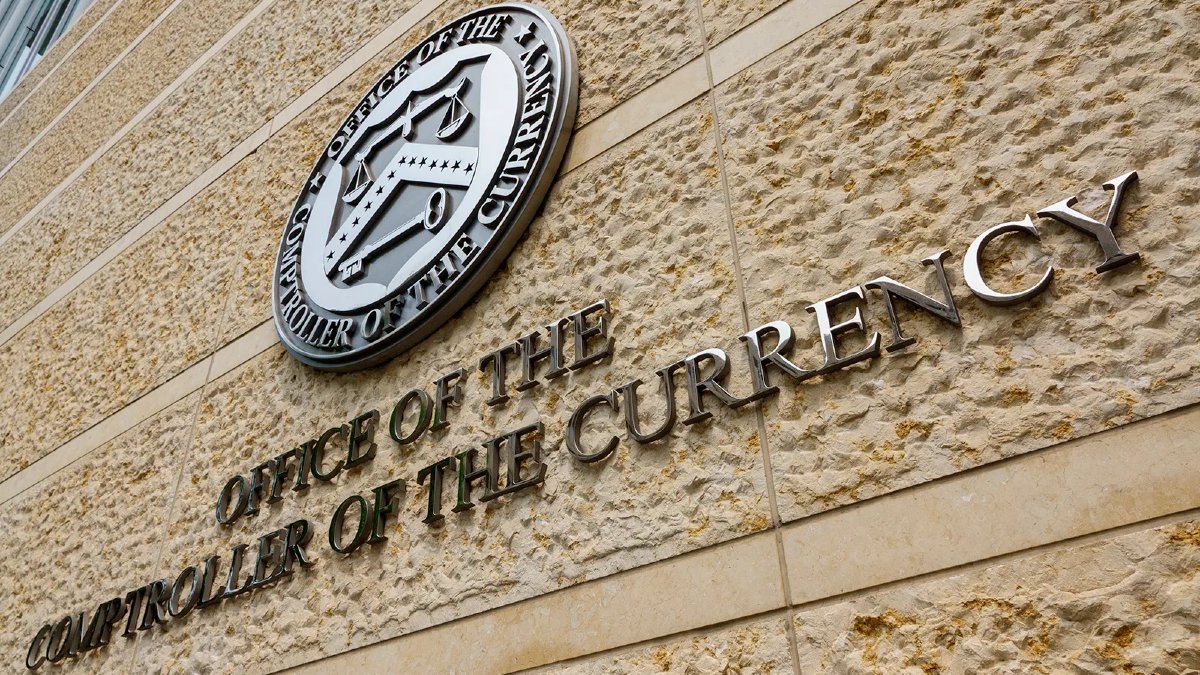
BlackRock submitted a 17-page formal letter to the U.S. Office of the Comptroller of the Currency (OCC) opposing the proposed limit on tokenized reserves for stablecoin issuers regulated under the GENIUS Act.
In its letter, delivered on May 1, the asset management giant argues that this restriction is unnecessary and describes it as “arbitrary”, since, in his opinion, the real risks of the assets do not depend on whether they are tokenized, but on their liquidity, duration and credit quality.
According to BlackRock, the limit established in the regulatory proposal presented by the organization, would severely limit the growth of its BUIDL fund. It is the largest tokenized US Treasury bond fund, which has already supports about 90% of stablecoins such as JupUSD and USDtb and manages more than USD 2.6 billion in assets.
Among the firm’s main requests are, in addition to eliminating the 20% limit, adopting a risk-based approach instead of fixed thresholds. He also asks to clarify if the Treasury ETFTreasury bond exchange-traded funds that pool debt issued by the US government, qualify as eligible reserve assets under the new law.
In this sense, BlackRock supports Option A of the OCC for the diversification of reserves. Consequently, it warns that Option B would impose too strict operating restrictions.
Furthermore, it proposes to include Treasury floating-rate notes short-term and improve the asset approval process.
This letter joins the comments of other institutions, such as the Brookings Institution, within the framework of the implementation of the GENIUS Act, the law that regulates the issuance of stablecoins in the United States.
The OCC’s final decision will define the level of flexibility that issuers will have and could significantly impact the development of the stablecoin ecosystem in the country.