
Aave reactivated the rsETH markets on Ethereum, Arbitrum, Base, Linea and Mantle this May 14, 2026, once again allowing withdrawals and operations with the token after almost three weeks of freezing caused by the Kelp DAO hack.
The measure returns access to users who kept funds or collateral locked in rsETH and comes after Aave, Kelp DAO and other protocols completed the first stages of the recovery plan designed after the exploit on April 18.
Over the past few weeks, both protocols have advanced in a recovery plan divided into several phases. At the beginning of May, Aave carried out the liquidation of the positions linked to the attacker and moved the recovered rsETH to wallets controlled by Aave Recovery Guardian and Kelp Recovery Safe.
As part of the coordinated restart of the platform, Kelp DAO reactivated the functions of transfers between networks and claims of funds for rsETH users. The company further reported that the exchange rates will be updated around 4:30 pm CET on May 15, incorporating all staking rewards accumulated during the pause period, so that token holders can see those gains reflected in the updated value of their assets.
Subsequently, Kelp DAO confirmed the progressive replenishment of 117,132 rsETH towards LayerZero’s OFT adapter, a mechanism used for token interoperability between networks. The recovery It also had financial support from other actors in the ecosystem. Protocols such as Ether.fi, Lido, and Ethena engaged in an informal recapitalization to bolster asset support and stabilize the system following the exploit.
The organization also launched a special section on your website intended for users impacted by the hack. As he explained, rsETH holders could access compensation, since potential losses were automatically estimated by the system. To check if they qualify, users must connect their digital wallets.
As reported by CriptoNoticias, the attack originated from a vulnerability in the bridge cross-chain of Kelp DAO built on LayerZero infrastructure. The attacker managed to mint 116,500 rsETH without backup and use them as collateral within Aave V3 to mine nearly $200 million in wETH, leaving the protocol exposed to heavy bad debt.
The incident generated a massive outflow of liquidity. Within hours, users withdrew over $5.4 billion in ETH from Aave and asset utilization reached 100%, temporarily blocking withdrawals. As an emergency measure, Aave froze rsETH reserves on Ethereum on April 23 and several second-layer networks to avoid on-chain liquidations and contain systemic risk.
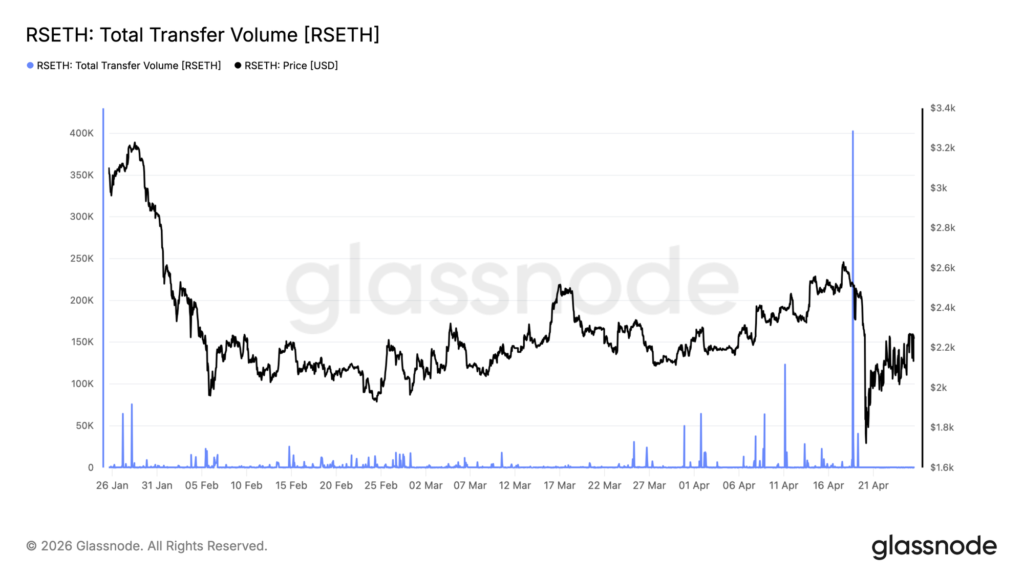
It is worth noting that, after the hack, rsETH temporarily lost its expected peg and was trading below 0.86 ETH, reflecting the market’s distrust of the asset and the security of cross-chain bridges. Although rsETH is currently trading near 1.06 ETH and Kelp DAO ensures that the token is once again fully backed, the episode reactivated the debate about the systemic risk that the use of restaking assets as collateral within lending protocols can generate.
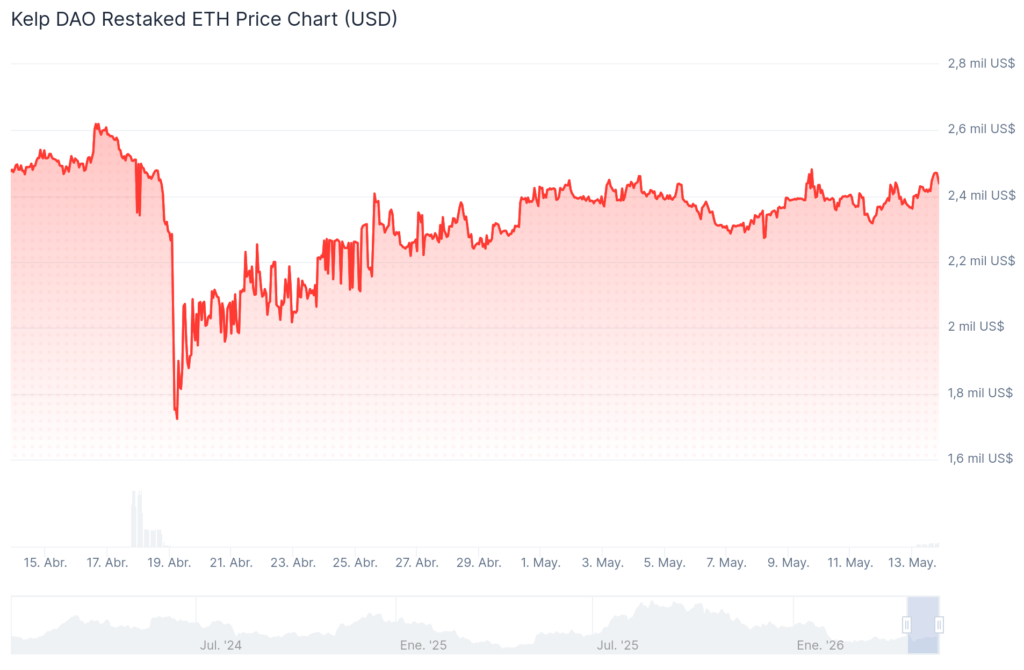
For users, the reopening means that funds locked They are again available for withdrawals and closing positions. But the episode also leaves an uncomfortable precedent for DeFi: even protocols considered relevant within the ecosystem can be exposed to massive liquidity crises due to failures in interconnected infrastructures. The normalization of rsETH reduces immediate pressure on Aavealthough the market is still evaluating how much damage the exploit left on confidence in the sector.