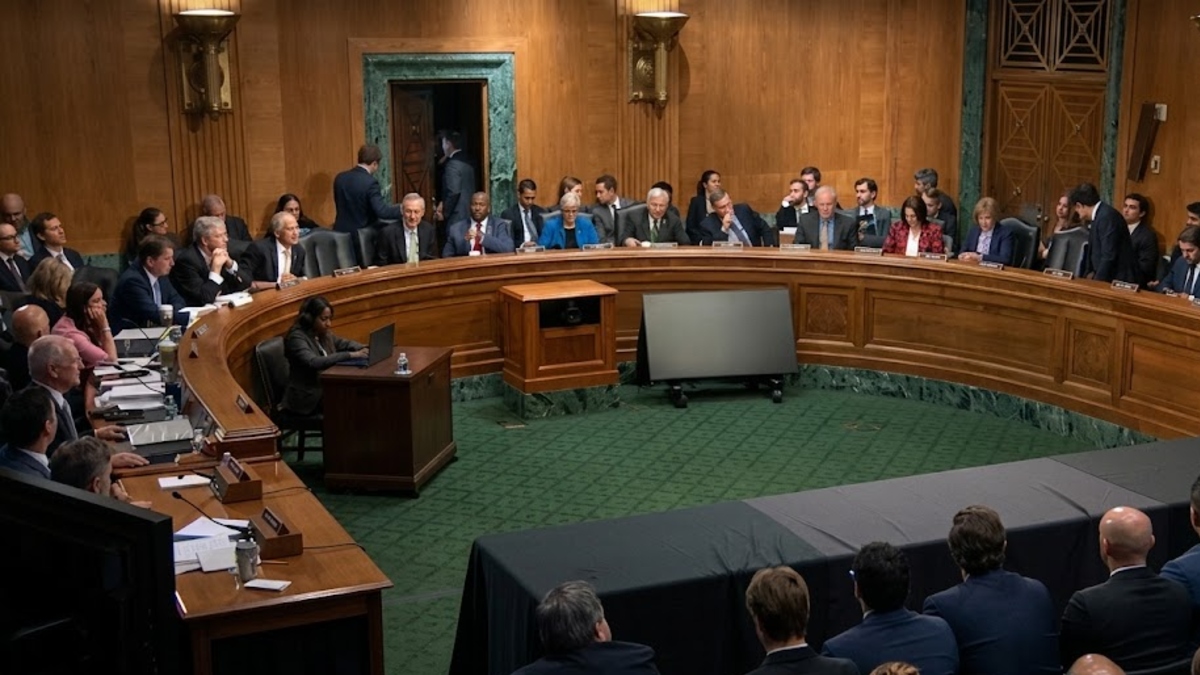
Approval in the Banking Committee is the penultimate stage before it becomes law.
There are estimates that Clarity will be enacted before the summer recess, in August.
The regulatory path for cryptocurrencies in the United States reached a turning point following the approval of the Clarity Act in the Senate Banking Committee. With a vote of 15 votes in favor, the project passed the «markup«, where the final amendments are debated and voted on.
This advance represents overcoming the penultimate major legislative hurdlepositioning the proposal on the verge of a final vote in the plenary session of the Upper House and its subsequent presidential signature.
The committee’s decision reflects a strategic bipartisan consensus that seeks to establish clear rules for the sector before the close of the current legislative cycle. This movement was largely driven by inertia generated in the House of Representatives, where the law got a solid approval in July 2025 with 294 votes.
The pressure of the legislative calendar also plays a determining role, since senators They try to secure the regulations before the August 2026 recess to prevent it from losing priority compared to the political campaigns that will come ahead of the midterm elections, next November.
Now, after this approval in the Banking Committee, what is next for the Clarity Law? First, the process is transferred to the full Senate. Majority Leader Senator John Thune will be in charge of scheduling time for the debate.
According to Galaxy Digital research director Alex Thorn, is anticipated the need to introduce a bipartisan amendment focused on ethics issues to consolidate the full support of senators before proceeding to the vote.
Once the Senate approves its version, the text must undergo a conciliation process with the version previously approved by the House of Representatives. If there are significant discrepancies in the articles, A Conference Committee will be formed to draft a unified final document.
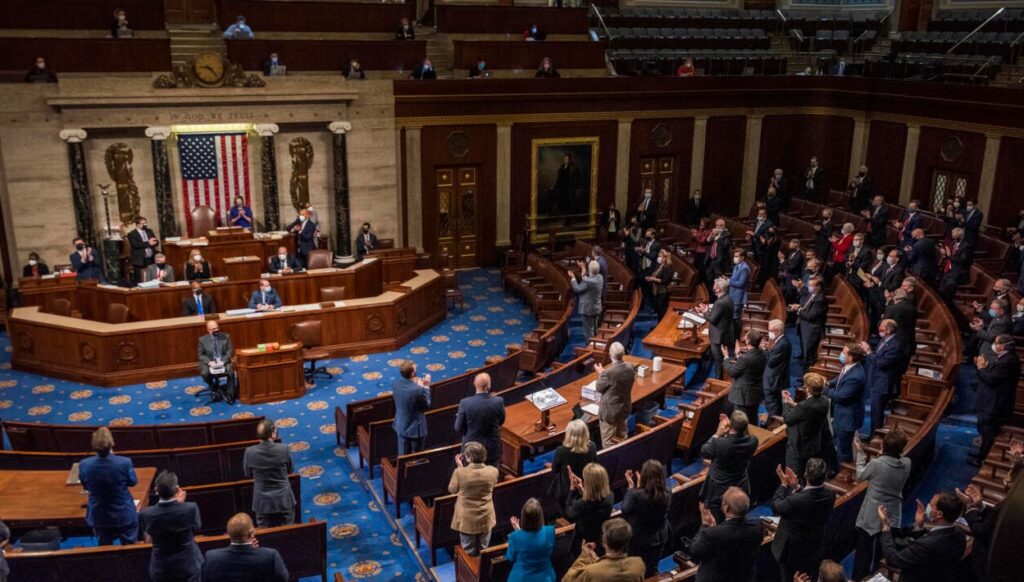
This step is crucial, as points of technical friction remain, especially when it comes to performance regulation or «yield» on stablecoins and the scope of protections within decentralized finance (DeFi) protocols.
The political push for this law is supported by key figures in government and industry. The Secretary of the Treasury, Scott Bessent, has expressed his interest in the regulations being finalized this spring, as reported by CriptoNoticias.
Likewise, relevant players in the digital assets sector, such as Brian Armstrong, CEO of Coinbase, and Jeremy Allaire, CEO of Circle; have closely followed the progress of this legal framework and they celebrated on networks the approval of the same in the Banking Committee.
Despite the optimism, the debate on technical adjustments in the Senate could generate delays. If legislators in the House of Representatives consider that the Senate modifications are excessively restrictive or, on the contrary, too lax with technological innovation, conciliation could be extended. However, current estimates suggest that, if the legislative pace continues, the Clarity Act could be enacted by the Executive Branch before the summer recess in August.
The approval in the Banking Committee constitutes the most significant advance for the regulation of digital currencies in the United States to date. With the institutional support of the Treasury and a bipartisan majority, the Clarity Act is emerging as the definitive regulatory framework for the digital financial ecosystem in the United States by mid-2026.