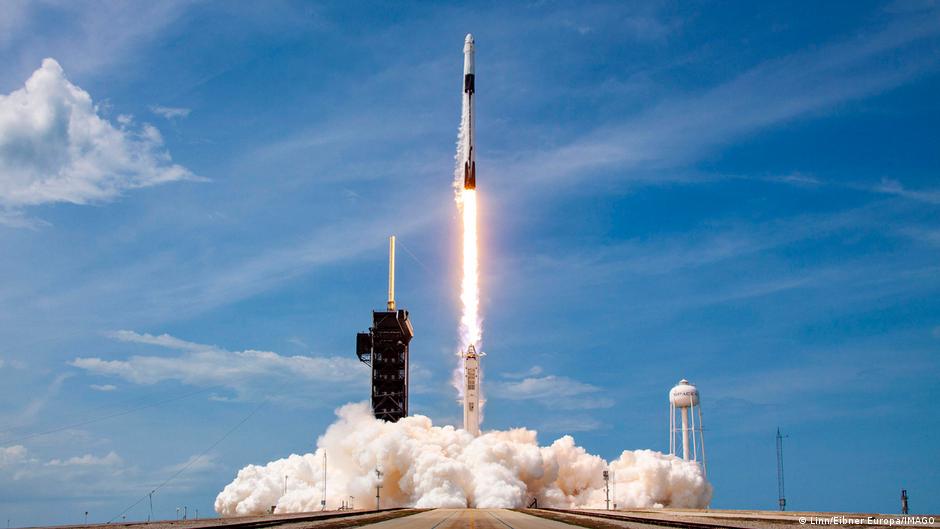
Elon Musk’s SpaceX filed for an initial public offering on Wednesday, opening the books on the company that revolutionized rocket technology.
The private rocket maker, satellite and artificial intelligence company plans to trade on the Nasdaq Stock Exchange under the ticker symbol SPCX, according to the IPO prospectus. Reports suggest that the company is targeting a listing in June.
A prospectus is a legal document that every private company that converts to a public company is required to file with the U.S. Securities and Exchange Commission so that potential investors are aware of the risks and opportunities that come with the company.
The regulatory filing did not provide a dollar figure for the amount Musk hopes to raise in the IPO, but multiple media reports put the amount at $75 billion (about €64.5 billion).
If the company surpasses the targeted valuation of about $1.7 trillion, Musk’s net worth will cross 13 figures, making him the world’s first trillionaire.
SpaceX’s IPO filing: What to know
Filings show Musk’s SpaceX generated revenue of about $18.7 billion, but reported an operating loss of $2.6 billion ($4.9 billion net loss) after spending heavily on AI technologies and a bigger rocket.
SpaceX’s biggest financial engine was its Starlink satellite business which generated revenue of more than $11.4 billion in 2025, up nearly 50% year-over-year.
But SpaceX’s other units are struggling.
its social media platforms
Musk is the only person who can shoot himself
The company has adopted a number of provisions that, in aggregate, severely limit shareholder rights and protect Musk from being fired by anyone other than the billionaire himself.
It also comes amid concerns about Musk’s power over the company and whether there are enough safeguards in place to keep him in check.
Under the current structure, Musk will control about 85% of the company’s voting power while he will own about 42% of the equity.
SpaceX acknowledged in its filing that this could pose a risk to outside investors. It said the world’s richest man, who is set to become the company’s CEO, CTO and chairman of the board after the IPO, will have “the power to control the outcome of matters requiring shareholder approval, including the election of all of our directors.”
At Musk’s other venture, Tesla, where he is the company’s largest individual shareholder, he has repeatedly faced resistance from other shareholders.
SpaceX will be able to present the offering to investors 15 days after making its prospectus public – known as a “roadshow” in Wall Street parlance. In this case, it works until June 4th.
Edited by: Rana Taha