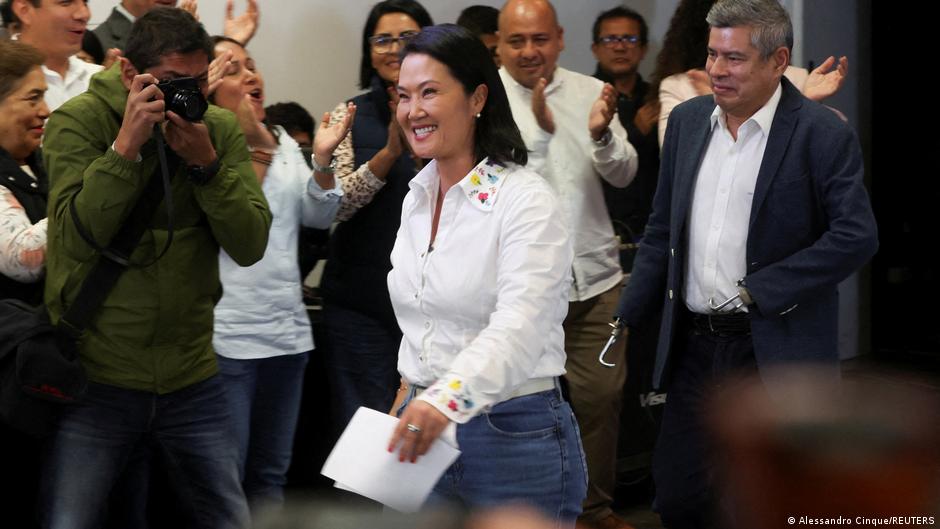
The results of Peru’s presidential runoff were still in on Monday morning, although more than 90% of the votes had been counted.
Preliminary results showed that right-wing conservative candidate Keiko Fujimori received about 50.5% of the vote, while leftist politician Roberto Sánchez received about 49.5%.
However, there were expectations that Fujimori’s lead would diminish. Votes in the capital Lima, Fujimori’s stronghold, are usually counted first. Meanwhile, Sanchez may have an edge in the final round as ballots from rural areas have been tallied.
Exit polls and quick counting also suggested a tight finish. Late Sunday, pollster Ipsos published a preliminary poll showing Sanchez leading the race with 50.3%, while Fujimori leads the race with 49.7%. According to Ipsos representatives, it is a statistical tie.
What did the candidates say?
Both the candidates have admitted that it is too early to declare the election results.
“For now, there is no winner. There will be many days ahead,” Fujimori said late Sunday.
Sanchez told cheering supporters that the race was very heated and anything could still happen.
Fujimori hopes to take advantage of the wave of support for right-wing candidates who won recent elections in Bolivia, Chile and Ecuador by campaigning on an anti-crime platform.
She builds on the legacy of her late father, Alberto Fujimori, who strengthened the economy and suppressed the Maoist insurgency. However, Fujimori was later convicted of corruption and crimes against humanity.
Sanchez is a former minister in the government of jailed President Pedro Castillo. Just two days before the runoff, a case against him was reopened regarding illegal party financing six years earlier.
a nation divided
The current situation is reminiscent of the 2021 runoff election, when the announcement of results was delayed for weeks due to challenges to the validity of the election.
Many Peruvian voters expected this election to end years of political chaos that had resulted in several presidents being jailed, deposed, and impeached.
Peru is deeply divided. The country is divided between the more populated coast and the more rural, indigenous south.
Once the final vote count is completed, the Supreme Electoral Court has until mid-July to officially declare the winner. The new President will assume office on July 28.
Edited by: Natalie Muller
Don’t let algorithms hide news. If you rely on our team for reliable reporting, please take a moment Select us as your favorite source on Google by clicking here and pressing the “Star” or “Favorite” buttonThat’s why you’ll always see our verified news first.