According to a recent report, heat wave is going on in large parts of Europe. report Published in medical journal The LancetThe number of heat-related deaths has increased across much of Europe. The number of heat warnings in Europe has also increased.
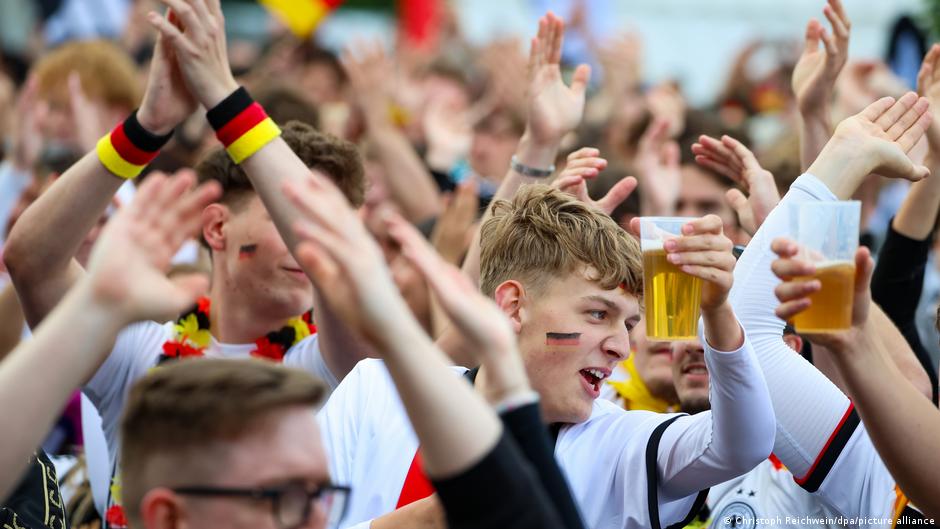
The heat alone is enough to put immense strain on the body. Do you want some cold beer to cool off? Not better.
Alcohol was banned in public places in the French capital Paris during the “Fête de la Musique” festival last weekend, with temperatures hovering around 40 degrees Celsius (104 degrees Fahrenheit).
Alcohol will probably make you more thirsty
The hotter it is, the more fluid your body will lose. We sweat and this fluid is replenished by drinking. Yes, beer, wine spritzers, and gin and tonics are liquids, and it may feel like they’re quenching your thirst. but it’s not like that.
“Alcohol increases the urge to urinate, leading to even more fluid loss,” warns Helmut Seitz, professor of internal medicine, gastroenterology and alcohol research at the University of Heidelberg. Along with fluids, you lose potassium, sodium and magnesium. “It means more comes out than goes in,” Seitz told DW.
According to Germany’s Federal Institute for Public Health, alcohol can dehydrate the body to such an extent that less sweating occurs. As a result, the body overheats, which can lead to heat stroke.
Additionally, cold beer dilates blood vessels which can lower blood pressure, which can cause dizziness and headaches. The loss of minerals also impacts the heart, Seitz says. This may result in atrial fibrillation, extrasystoles, and cardiac arrhythmias. “It could even lead to a heart attack,” he warns.
Risk for both old and young
Some medications, such as blood pressure medication or drugs that affect the central nervous system, may further increase the risk, Seitz continues. These also include sleeping pills and sedatives, whose effects on the central nervous system are increased by alcohol, causing dizziness and drowsiness.
However, drinking alcohol on hot days isn’t just a problem for older people or those who already have cardiovascular problems.
Young people who are active, exercise frequently and sweat heavily should also be careful, Seitz said. What happens to that beer after running a half-marathon or winning a soccer game? From a health standpoint, Seitz’s answer is clear: “You really can’t do any worse than this.”
This article was originally published in German.