By US Headline News | July 18, 2026
The Middle East is on fire – and this time, the consequences are coming home.
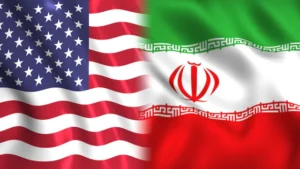
The United States has completed its seventh consecutive night of airstrikes on Iran, targeting military logistics, coastal infrastructure, and maritime capabilities along the Strait of Hormuz. Iran has responded by launching missiles and drones at US allies in the region – Kuwait, Bahrain, Jordan, and Qatar have all been hit.
This is no longer a distant conflict. Here’s why every American should be paying attention.
🛢️ The Strait That Controls Your Gas Price
The Strait of Hormuz is the world’s most critical oil chokepoint – roughly 20% of all global seaborne oil passes through it every single day. Iran has reimposed its blockade of the strait. The US has blockaded Iranian ports in return.
The result? Shipping has largely halted. Oil prices have shot up, and the International Energy Agency (IEA) chief Fatih Birol warned on July 17th:
“We should be worried, and I am worried if the situation does not improve in the next few weeks.”
For Americans: Every $10 rise in oil prices historically adds about 25-30 cents per gallon at the pump. If the strait stays blocked for weeks, analysts warn prices could climb significantly higher.
🏛️ What Washington Is Doing – And What It’s Risking
The Trump administration says Iran violated last month’s ceasefire agreement (a Memorandum of Understanding signed in Pakistan in June) by firing on commercial vessels in the strait.
White House Press Secretary Karoline Leavitt stated plainly: “The reason for the recent strikes is because Iran violated the MoU.”
President Trump has threatened to hit Iranian power plants and bridges next week unless Tehran returns to negotiations – while simultaneously leaving the door open to diplomacy.
The gamble: Analysts at the Middle East Institute say both sides are “back to square one” and face a stark choice – back down or escalate further. Trump has not ruled out ground forces, including a potential seizure of Kharg Island, Iran’s main oil export terminal.
⚡ The Gulf Is Now a War Zone
Iran’s strikes have gone beyond military targets:
Kuwait: Power stations and water desalination plants hit – civilians are now without power and clean water
Jordan: A US military base targeted – Iran claims it was used to bomb an Iranian children’s cancer hospital
Qatar & Bahrain: Explosions reported near US military installations
Iran has also signaled it could activate its Houthi allies in Yemen to close the Bab al-Mandeb strait – the gateway to the Red Sea – if the US escalates further. That would effectively cut off two of the world’s most critical shipping lanes simultaneously.
🇺🇸 The American Angle: What Comes Next?
Here is what this means for the United States in the coming weeks:
Gas prices will rise if the blockade continues – fill your tank now if you can
Supply chain disruptions are likely for goods shipped from Asia through the Suez Canal route
Stock markets remain volatile – energy stocks up, airlines and consumer goods under pressure
Diplomatic window is narrow – Trump says he’s open to talks, but Iran disputes even the basic facts (Tehran claims no American prisoner was released, contradicting Trump’s announcement)
The wildcard is Iran’s nuclear program. Experts note that a prolonged conventional war creates pressure on Iran’s leadership to use its nuclear leverage more aggressively in negotiations.
💡 US Headline News Bottom Line
This conflict is at a critical inflection point. Seven nights of US strikes have not broken Iran’s grip on the strait – and Iran’s retaliation is now hitting civilian infrastructure in US-allied nations.
The next 7-10 days will determine whether both sides find a diplomatic off-ramp, or whether this becomes a full-scale regional war with consequences that reach deep into American daily life – from the gas pump to the grocery store.
We’ll be tracking this story around the clock.
– US Headline News Editorial Team