Hyperliquid, Ethena, Space and Time and RedStone concentrate the largest specific events.
An unlocking of tokens implies that new units become available on the market.
The week of May 4-11, 2026 will be marked by a series of token unlocks exceeding $229 million, in events that could increase selling pressure on several digital assets.
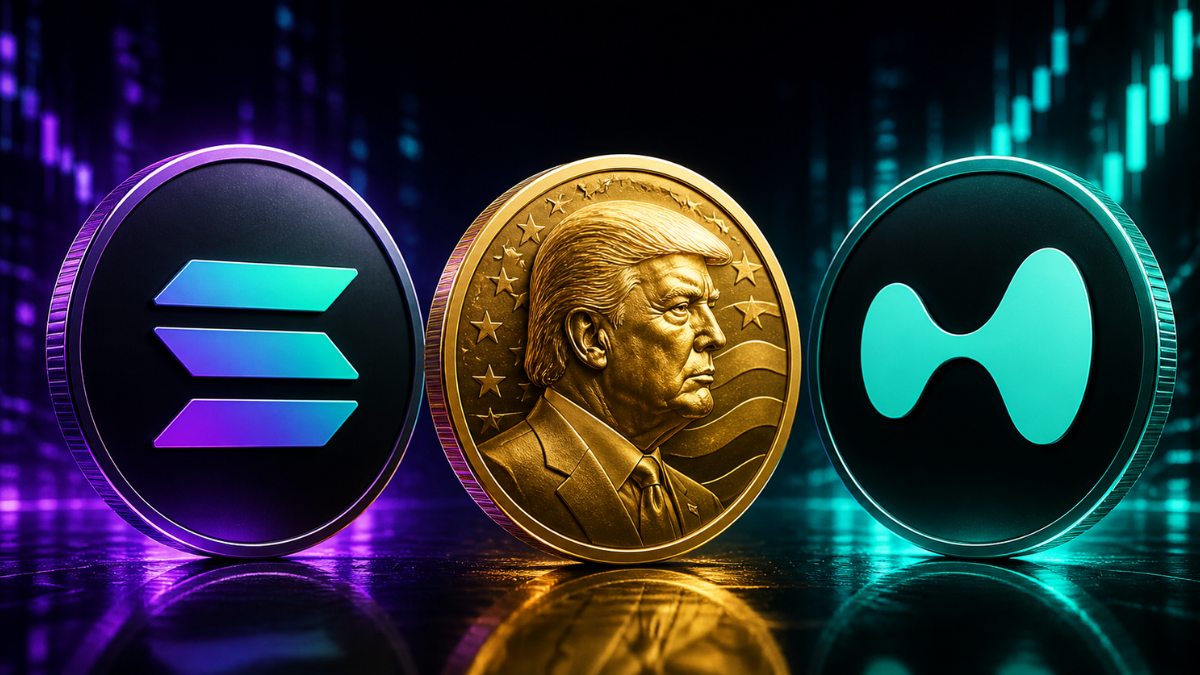
Among the main protagonists are solana (SOL) with 465,770 units (about 12.37 million dollars); Official Trump (TRUMP), with about 2.15 million tokens ($5.73 million); and hyperliquid (HYPE), which leads the specific events with about 38.28 million tokens ($38.28 million), according to data by Tokenomist.
The largest specific unlockings, that is, releases concentrated on a single dateinclude HYPE, ethena (ENA) with about 171.88 million tokens ($12.88 million), Space and Time (SXT) with about 119.13 million tokens ($12.37 million), RedStone (RED) with about 46.75 million tokens ($8.06 million), and OPN (OPN) with about 14.62 million tokens ($6.39 million).
In parallel, linear unlocks (which are distributed progressively) are led by rain (RAIN) with about 12.6 million tokens ($18.29 million), followed by solana, canton coin (CC) with approximately 3.54 million tokens ($6.74 million), TRUMP, worldcoin (WLD) with about 37.23 million tokens ($5.28 million) and bittensor (TAO) with about 63,000 TAO (4.88 million dollars).
A token unlock means that previously locked assets, typically allocated to teams, investors, or development programs, become available to transfer or sell on the market. This process generally responds to emission calendars defined from the beginning of each project.
The entry of new tokens can generate downward pressure on prices if recipients choose to sell their positions, as CriptoNoticias has explained. However, The impact is not uniform and depends on factors such as the liquidity of the assetthe existing demand and the percentage of the supply that is incorporated into the market.
Over the next few days, the behavior of these assets will allow us to observe to what extent the market manages to absorb the new supply without significantly affecting its prices.