With memories of the COVID pandemic still fresh in the minds of many people, it is understandable that communities are concerned about hantavirus spreading internationally.
“I know you are worried,” wrote World Health Organization (WHO) Director-General Tedros Adhanom Ghebreyesus. In a letter to the people of TeneriffeSpain, on May 9, 2026.
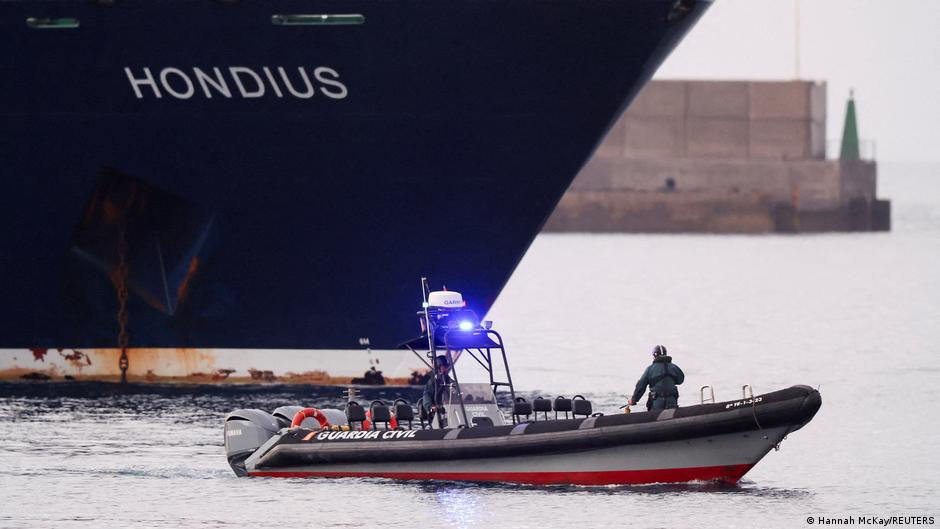
The cruise ship MV Hondius – on which hantavirus spread and killed three people and infected others from April to May – was scheduled to dock at the port of Granadilla in Tenerife.
From there the passengers and crew (a total of 147 people) were to be flown back to their home countries, including Germany, France and Australia.
Tedros said, “I know that when you hear the word ‘outbreak’ and see a ship heading toward your shores, memories come to the surface that none of us have ever fully quelled.”
But there is an important difference between COVID and Hantavirus.
When the SARS-CoV-2 coronavirus emerged in 2019 and caused COVID, neither public health scientists nor healthcare workers had ever seen it before. No one knew what it was, how fast it would spread, how to stop it or treat it.
Hantavirus, on the other hand, has been known since 1993.
And because it is known to cause a lung infection called Hantavirus Pulmonary Syndrome (HPS), appropriate distancing measures were put in place on the ship – once laboratory tests confirmed it had caused the first two deaths.
Analysis of the hantavirus outbreak in Argentina in November 2018 shows how much even basic control measures like social distancing slow the spread of infection from person to person.
We had no knowledge of it when it started – in fact, to this day, we still don’t know where it started.
Analysis of the 2018–2019 Argentina hantavirus outbreak
In a paper published in 2020Researchers described how the speed of transmission of Andes virus – the same variant on the MV Hondias cruise ship – halved when “public health officials implemented isolation of individuals with confirmed cases and self-quarantine of potential contacts” during the 2018–2019 outbreak in Argentina.
Control measures were imposed after authorities confirmed 18 people were infected with the Andes virus at a mass gathering.
“These measures will likely curb further spread,” the researchers wrote. New England Journal of Medicine. “The average reproduction number (the number of secondary cases caused by an infected person during the infectious period) before implementing control measures was 2.12 and decreased to 0.96 after implementing the measures.”
The situation was different on the MV Hondius. While the number of known cases – at the time of writing on May 11, 2026 – is down to seven confirmed and two suspected cases, control measures took longer to implement.
After the first person died on April 11, Oceanwide Expeditions, which runs the ship, said It was until May 4 – more than three weeks – before Hantavirus was confirmed. As to the cause of death. that was two days later WHO was informed that there was a “cluster” of infected people on the ship.
Once the MV Hondius docked in Tenerife, there was no doubt about the cause of the infection, and Spanish health authorities said they took “all measures” to prevent the spread of hantavirus.
Passengers, crew and health officials wore face masks and personal protective suits, and personal belongings were carried in sealed bags.
“Reducing any potential contact and using FFP2 [masks] For travelers and people who may come into contact with them during the processes of disembarkation and transportation in the country of origin, this is supported by what we know about this virus,” said Giulia Gallo, a researcher at The Pirbright Institute, UK.
Generally, hantavirus infections are relatively uncommon globally. In 2025, WHO reported 229 cases and 59 deaths in the Americas. There is no vaccine for this infectious disease.
Edited by: Natalie Robinson