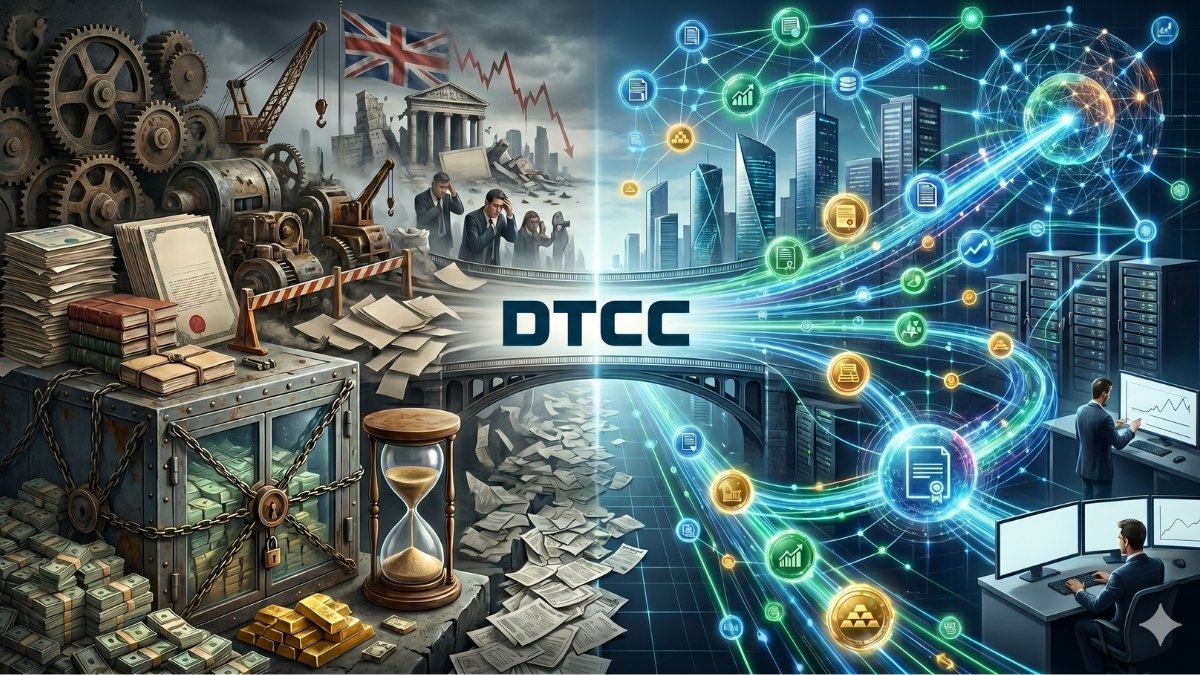
The Depository Trust & Clearing Corporation (DTCC), the main securities clearing and settlement infrastructure in the United States, published on May 13, 2026 a study prepared together with the consulting firm Finadium in which it quantifies the real cost of the inefficiencies of the traditional collateral system: USD 630,000 million immobilized daily in global banking to cover gaps between incoming and outgoing payments. The organization proposes that asset tokenization solves this problem by reducing the collateral movement time from days to seconds.
The DTCC is the central node of the US financial system (in charge of the automated clearing, settlement and custody of stocks, bonds and other securities). Its subsidiaries processed transactions for USD 4.7 quadrillion in 2025 and they guarded securities worth USD 114 billion.
According to the study, each large bank pays around USD 600 million a year in costs associated with that tied up capital. The organization maintains that moving tokenized collateral in real time would allow those reserves to be reduced, lower regulatory capital requirements and access new sources of income.
The document, titled Collateral Infrastructure for Tokenized Capital Marketscomes a day after the DTCC itself will confirm that Chainlink will be the data infrastructure and orchestration of your Collateral AppChain, the tokenized collateral platform planned to go into production in the fourth quarter of 2026. The study functions as the balancing argument that institutions must evaluate before deciding whether to join that platform.
The cost of not acting
He paper It also introduces a systemic risk argument with recent history. The organization notes that during the UK pension fund crisis in 2022 — when the fall in sovereign bond prices forced forced sales of assets to cover margin callstriggering a spiral that required the intervention of the Bank of England—the tokenized collateral would have prevented these liquidations, by allowing assets to be moved between platforms immediately without the need to sell them.
The market context supports the urgency posed by DTCC. Tokenized assets reached a capitalization of USD 27.3 billion in the first quarter of 2026, a growth of 245% compared to the same period of the previous yearaccording to Grayscale data. In turn, Nasdaq research found that 52% of surveyed firms expect to manage tokenized collateral in production before the end of 2026, while 70% report daily problems with reconciliation and delivery of securities in the current system.
The competitive scene also puts pressure. The DTCC initiative has the participation of more than 50 financial firms, including BlackRock, Goldman Sachs and JPMorgan, as well as companies in the digital asset ecosystem such as Circle and Anchorage Digital.
DTCC warns that Firms that delay adoption will face a more costly transition and a weaker competitive position as the market moves towards real-time settlement and programmable infrastructure.