
The studies address the use of solar, wind, hydro, geothermal and biomass sources in industry.
7 studies ensure that Bitcoin mining can cut your electricity consumption in a few minutes.
An analysis published by researcher Daniel Batten systematizes the findings of 30 peer-reviewed studies, published between 2021 and 2026 in 24 scientific journals, to maintain that Bitcoin mining is the only documented technology capable of simultaneously advancing the three pillars of the energy trilemma: sustainability, security and equity.
Batten, recognized in the ecosystem for its work tracking Bitcoin’s environmental footprintidentified five independent pathways through which mining generates environmental benefits: renewable energy absorption, gas peaker plant replacement, cost-effective landfill methane mitigation, carbon capture through waste heat and fossil heating replacement.
According to the analysis, 16 of the 30 studies document that mining accelerates the deployment of renewable energy by solving its structural economic problem: intermittent generation produces energy that often has no buyer. Mining, Batten points out, acts as flexible demand, located in any geography and without requiring additional transmission infrastructure.
A study cited in the analysis, published in PNAS by Lal & You, found that mining integration of Bitcoin allows capacity expansions of up to 25.5% in solar and 73.2% in wind power by being able to optimize energy production and consumption, without waste or saturation of the network.
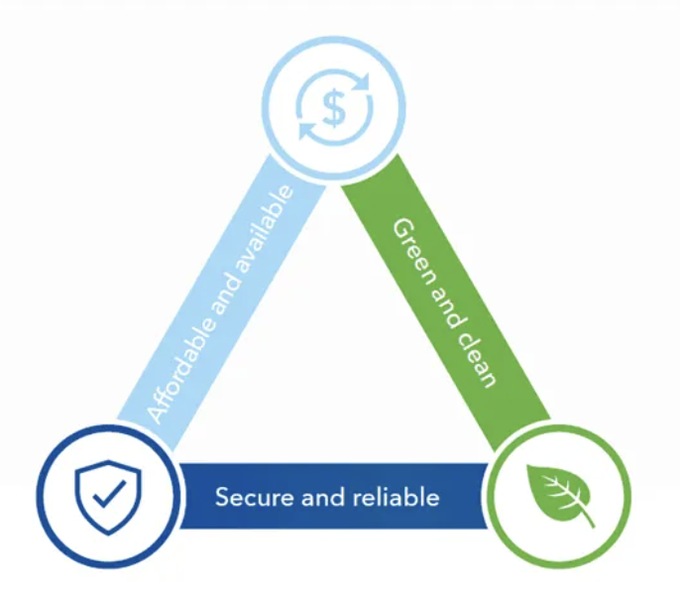
The energy trilemma describes the historical difficulty of simultaneously advancing sustainability, security and equity without sacrificing one of the three pillars. According to Batten analysis, deploying renewables quickly compromises network stability; keeping energy affordable means dependence on fossil fuels; and building redundant infrastructure raises costs for users.
Bitcoin mining, the researcher maintains, solves the three voltages simultaneously because it acts as flexible demand that absorbs renewable surpluses—improving sustainability—; stabilizes the network frequency – reinforcing security; and makes profitable projects in areas without access to the traditional network. This generates local economic activity—advancing equity—without any of these effects occurring at the expense of the others.
The debate on electrical grid stability remains open
Seven of the studies analyzed address the stability of the electrical system. Batten highlights the work of Ginzburg-Ganz et al., which concludes that mining suppresses frequency transients induced by generation rampsthe main technical challenge of networks with high renewable penetration, while reducing network operating costs.
In terms of equity, the analysis indicates that Mining makes clean energy projects viable in areas where grid connection costs would be prohibitive, and that the waste heat generated by the equipment is already used in food production, residential heating and hot water supply, according to three specific studies.
Regarding studies that document negative externalities, Batten maintains that represent a minority with methodologies questioned by both Sai & Vranken and the Digital Assets Research Institute.
The researcher refers to the statements of environmental critics and organizations such as Greenpeace, Earthjustice and some academics. Most of them maintain that, despite the local benefits, Bitcoin mining Global demand for electricity continues to increasein certain cases encouraging the reactivation of gas or coal plants (as happened in New York).
Among the critics there are studies such as that of Radulescu et al. (2025) who warn about the high absolute water and energy consumption of the Bitcoin network, arguing that the benefits of flexibility do not offset the full impact on a larger scale.
Furthermore, traditional energy sector experts point out that, while mining can absorb surpluses, its profitability remains tied to the price of BTC, creating uncertainty about its long-term stable role as a structural solution.
Research that dismantles criticism grows
At this point, Batten maintains that none of the studies that question the activity directly refute the findings of the 16 papers that show acceleration in the deployment of renewable energies within the industry, nor the 7 studies on the contribution of mining to the stability of the electrical grid.
As Criptonoticias has reported, the negative narrative about Bitcoin’s environmental impact has been based primarily on a 2018 opinion article, which has been refuted by multiple subsequent academic studies.
The analysis concludes that the accumulation of evidence reverses the burden of proof: Batten suggests that discussing energy policy without incorporating Bitcoin mining It is comparable to a doctor addressing lung cancer prevention without mentioning tobacco cessation.
Time and more independent research will tell if this thesis is consolidated. Meanwhile, the case serves as a reminder that the energy solutions of the 21st century will likely come not only from public policies, but also from technological innovations and demand models that did not exist before.