Seven years have passed since the decree was approved that allowed, in an innovative and pioneering way, the legal use of cryptocurrencies in Venezuela. But, today, an update of this regulatory framework seems necessary for an ecosystem where bitcoin (BTC) and other digital assets, such as stablecoins, have been integrated – out of necessity – into the economic dynamics of citizens.
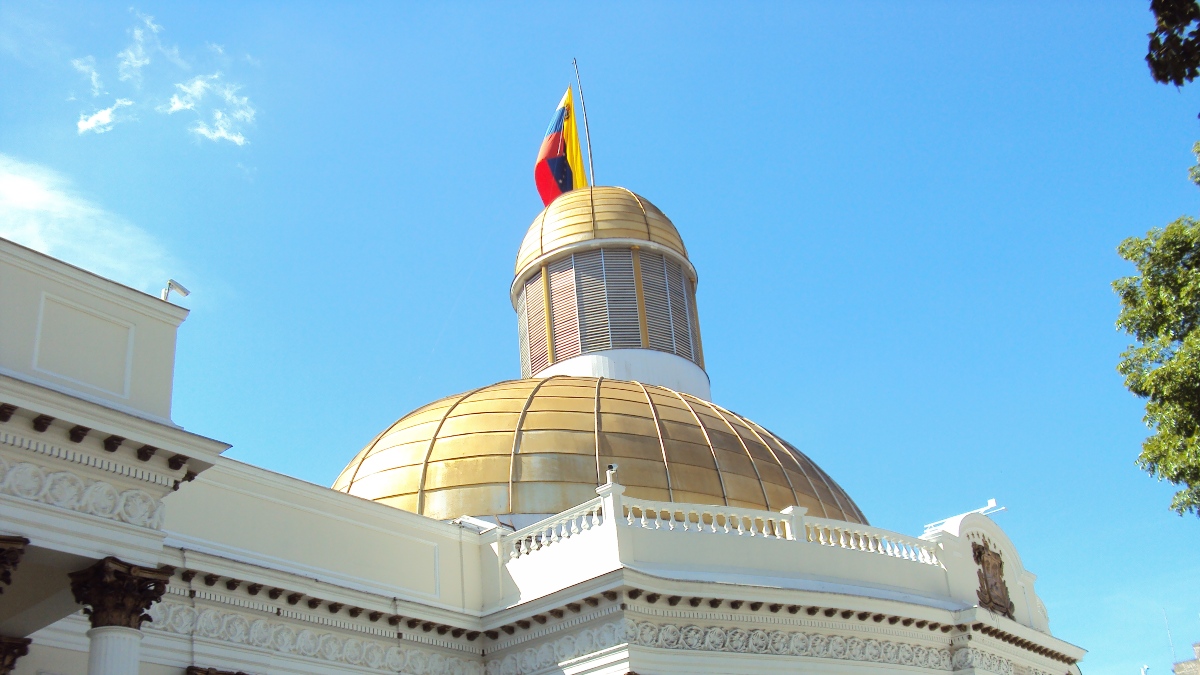
This is the subject of discussion in the National Assembly (AN) of Venezuela, more specifically in the Parliament’s Innovation Subcommittee, which has already set up technical work tables to evaluate community proposals and build a working paper for an eventual bill that updates—or reforms— the current regulatory framework of the cryptocurrency sector.
This was reported by deputy Genkerve Tovar, president of the aforementioned subcommittee, who participated in the Startup Crypto event held this Wednesday, June 10, at the facilities of the National Experimental University of Greater Caracas (Unexca), in Caracas.
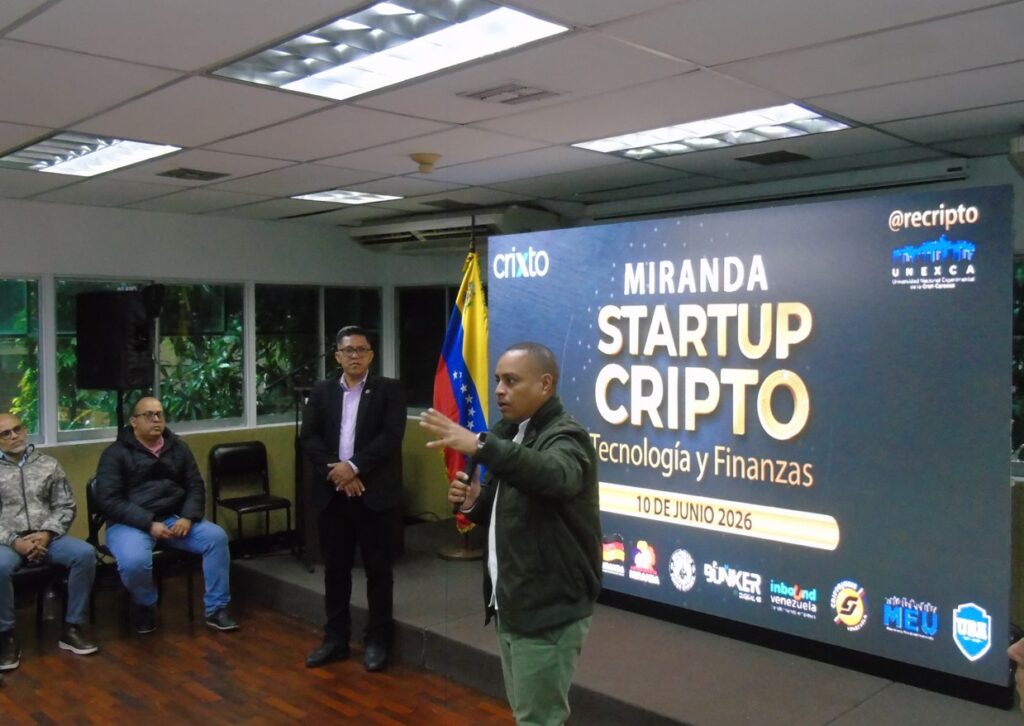
In an exclusive interview for CriptoNoticias, the parliamentarian explained that The AN is processing the applications submitted by various sectors of civil society.
«Currently, from the Innovation Subcommittee of the National Assembly, a group of young enthusiasts in the area of cryptofinance and cryptocurrencies have been presenting us proposals. “We have been evaluating and some work tables have been established that allow us to build a working paper in order to present a project,” he noted.
Tovar did not indicate who these “enthusiasts” are, nor if they are people or companies linked to the digital assets sector that have approached the parliamentary subcommittee.
The legislator emphasized that the current legal framework, based on the constituent decree of the year 2019requires a deep structural renovation due to the speed with which these financial technologies are developed.
In the opinion of the deputy, “it is necessary to put order and establish a legal and formal order” in the area of cryptocurrencies. “In a way that allows us to generate income for the country,” he stated.
This mobilization in the Venezuelan parliament coincides with a regional context where several Latin American countries have accelerated their regulatory agendas around digital assets. CriptoNoticias has documented the cases of Guatemala, Costa Rica, the Dominican Republic and Uruguay, for example.
When asked about regulatory advances in the countries of the region, Tovar was emphatic and assured that Venezuela seeks to “keep up to date with the international environment.”
“We have to continue working to build a work paper that allows us in the short or medium term to have this area fully regulated as it should be,” he argued.

The underlying debate on this legal reform focuses on overcoming the design of the Constituent Decree on the Comprehensive Crypto Asset System of 2019, which was born oriented towards centralized state control and strict supervision of digital mining.
However, the reality of the Caribbean country highlights a disconnection between this legal framework and the real operation of the sector in Venezuela, due to the restructuring process that, for almost four years, passes through the National Superintendency of Cryptoactives (Sunacrip).
The above has been evidenced, for example, in the few licenses for cryptocurrency companies to operate in Venezuela, as well as in the prohibition—and surveillance—of mining activity by order of the Ministry of Electric Energy.
In any case, with the start of these technical tables in Caracas, the legislative branch seems to be trying to reactivate the regulatory agenda after years of institutional stagnation. For this reason, citizen proposals for the regulation of cryptocurrencies in Venezuela will continue to be received directly in parliament, as confirmed by the deputy.
The challenge in the short term, however, will be to demonstrate whether a possible bill will really promote the formalization of a digital economy, which already moves on its own, or if it will be limited to one more control scheme.