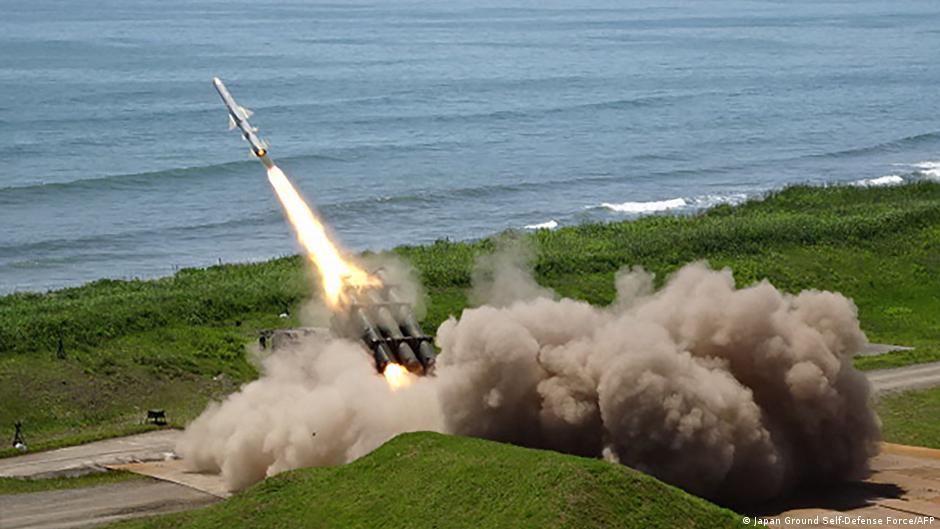
Japan on Tuesday approved major changes to defense export rules, ending long-standing restrictions on the sale of lethal weapons abroad and paving the way for exports of fighter jets, missiles and warships.
“No country can now protect its peace and security alone, and partner countries supporting each other in terms of defense equipment are essential,” Japanese Prime Minister Sanae Takachi said in a post on X.
Takaichi’s move marks a major shift from the pacifist principles that shaped Japan’s postwar security policy, as Tokyo seeks to strengthen its domestic arms industry and deeper ties with defense partners.
Takaichi sees promoting the domestic arms industry as a driver of economic growth.
The new policy ends earlier restrictions
Previously, exports were largely limited to five categories: rescue, transport, surveillance, warning and minesweeping equipment.
These rules, rooted in Japan’s post-war pacifist stance, significantly constrained defense exports for decades.
The revised guidelines eliminate the previous categories and allow all defense equipment to be approved subject to government screening and controls on transfer to third countries.
“There has been absolutely no change in our commitment to maintain the path and basic principles we have followed as a peace-loving nation for more than 80 years after the war,” Takaichi said.
“Under the new system, we will strategically promote equipment transfers, while making even more rigorous and cautious decisions on whether transfers are acceptable.”
The policy change comes as ongoing global conflicts are creating new opportunities for defense suppliers, even as US arms production is under strain.
Japan is increasing military spending
The change was criticized by China, but largely welcomed by Japan’s defense partners, including Australia, and drew interest from Southeast Asia and Europe.
Supporters say the change will help integrate Japan into global defense supply chains and strengthen national security amid rising regional tensions.
Critics argue that the move risks ending Japan’s long-standing commitment to pacifism.
Tokyo is also considering defense exports as a way to strengthen its industrial base by boosting production.
Japan has steadily increased military spending to 2% of GDP in recent years, with further increases expected under the Takaichi government.
Tokyo says the buildup is aimed at deterring threats from neighboring China, including islands in the East China Sea near Taiwan.
Edited by: Louis Olofse