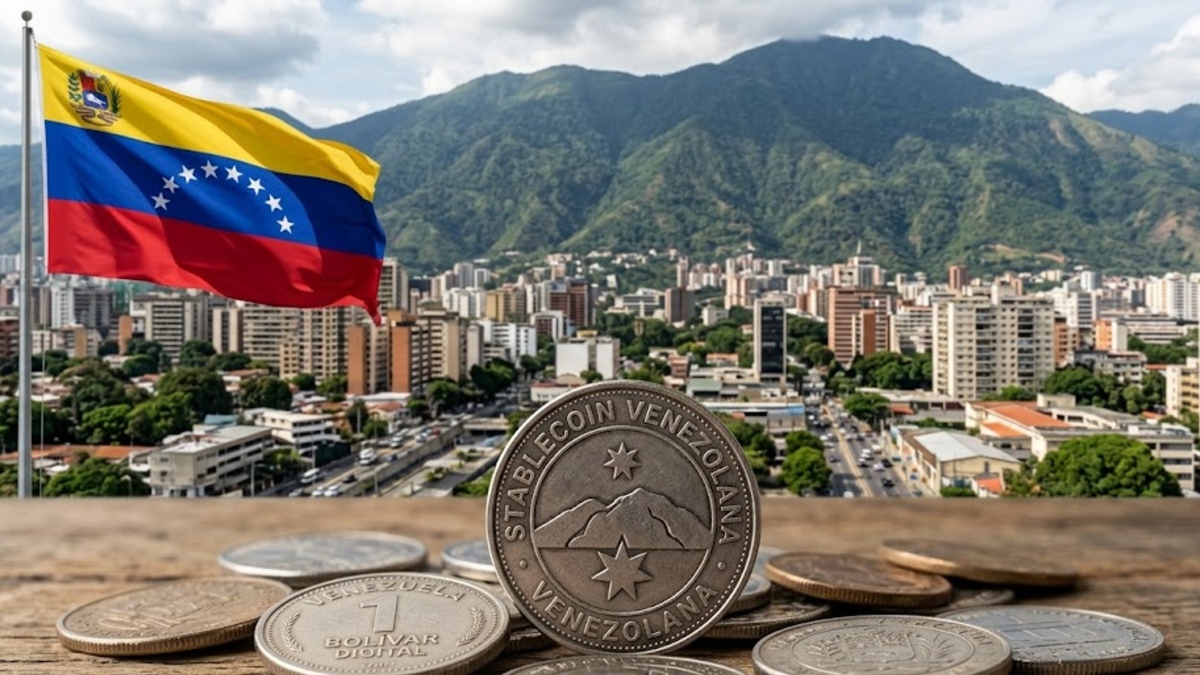
The director of the analysis firm Ecoanalítico, Alejandro Grisanti, proposed the implementation of a system based on a stablecoin designed specifically for Venezuela and integrated into the formal financial system.
In a current note published on April 7, the economist explained that this technological tool would serve as a robust alternative for the small and medium-sized business (SMEs) and entrepreneurship sector that are currently excluded from the official foreign exchange market.
Grisanti pointed out that, by not having bank accounts abroad – an essential requirement for the traditional SWIFT system -, These companies are left out of official allocations.
Likewise, he emphasized that it is essential “to avoid replicating the experience of 2024-2025, when the informal use of cryptocurrencies, outside the banking system, introduced risks of opacity.”
Therefore, Grisanti’s central approach is the search for a digital currency with “traceability, operational control and auditing shared with international partners”, under strict regulation and AML/KYC compliance mechanisms.
According to the analyst, said digital asset would complement the current auction system by offering a regulated and transparent path for economic actors who today face severe operational restrictions.
In addition to the creation of the Venezuelan stablecoin, Grisanti believes another immediate and transitory measure is necessary: the controlled import of physical cash in US dollars, in order to cover the needs of retail trade and allow SMEs to operate in foreign currency within the local market.
Subsequently, the stablecoin would be implemented as a “structural solution” to strengthen the transparency of the transactional ecosystem. and reduce exchange rate distortionsGrisanti noted in his writing.
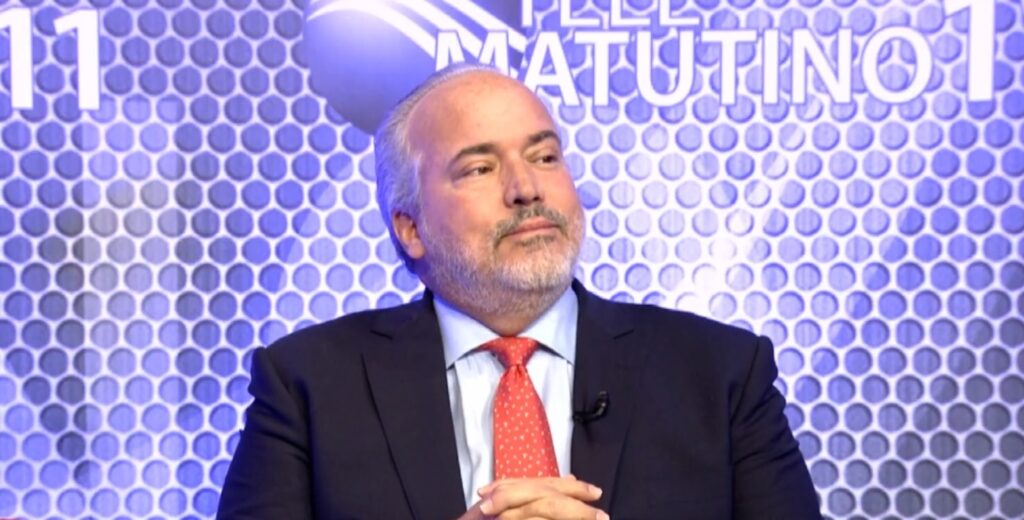
Is a “Venezuelan stablecoin” viable?
Despite the technical potential, the debate over the viability of this digital asset persists due to the international regulatory environment. A critical point is the impact of the sanctions on the Central Bank of Venezuela (BCV), which since 2019 hinder the technical operation of the system and the creation of correspondents.
Grisanti warns that, as long as the issuing entity remains sanctioned, the possibility of truly integrating the Venezuelan financial system with the international one is very low, stating that “when the BCV is sanctioned, the entire Venezuelan financial system ends up being sanctioned.”
In addition to these considerations, it must be taken into account that a “Venezuelan stablecoin” under these characteristics proposed by Grisanti would essentially operate as a central bank digital currency (CBDC). It’s no small thing. These currencies imply —greater— total control by the formal system over societies, as CriptoNoticias has documented with cases such as China, for example.
Although for the director of Ecoanalítico this stablecoin is not an end in itself, but rather an economic policy tool to formalize trade and reactivate activities that are currently strangled, he affirms that the success of this transition It would depend on combining technological innovation with fundamental reforms.
These reforms include exchange rate unification, the elimination of the gap between the official exchange rate and the market rate—which currently generates “perverse incentives for arbitration”—and the maintenance of fiscal discipline. All this for the sake of a balanced and less unstable exchange rate system, summarizes Grisanti.