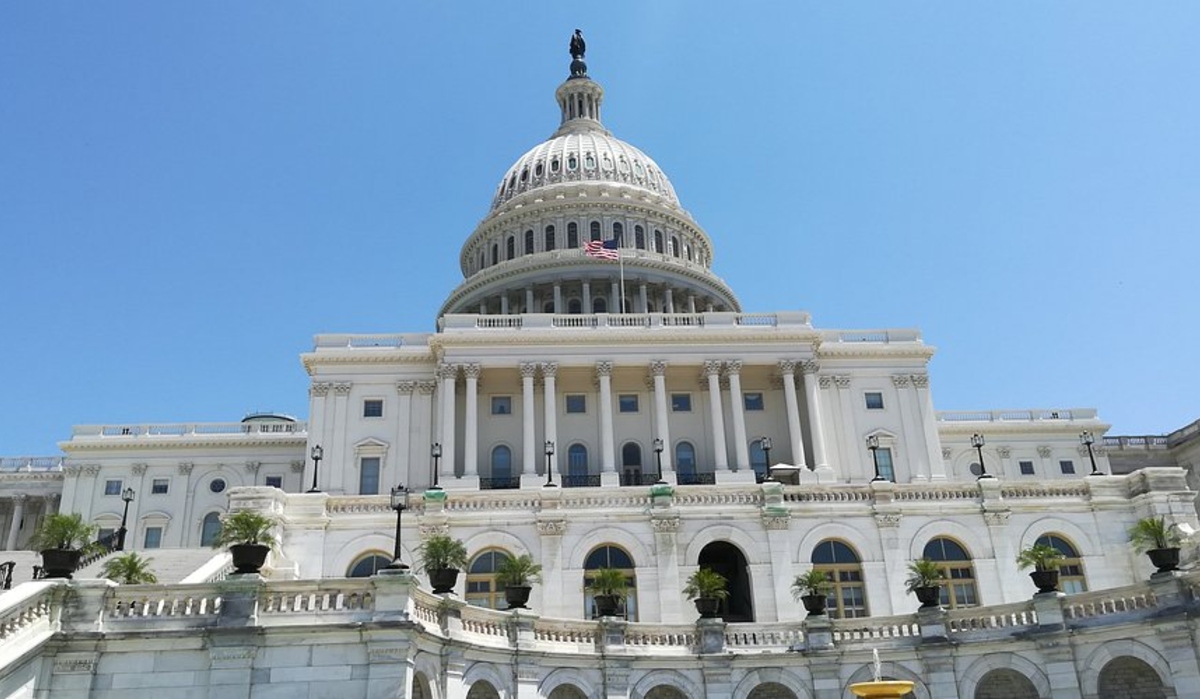
Senator Elizabeth Warren, who has been critical of cryptocurrencies, introduced 40 amendments.
The high number of amendments reflects a structural division in the Senate.
The United States Senate Banking Committee faces this Thursday, May 14, a decisive day for the regulation of digital assets.
The legislators have filed more than 100 amendments to the Clarity Act, a project that seeks to establish the legal framework for the operation of the cryptocurrency sector in the United States.
The dialing session (markup), scheduled for today at 10:30 am in Washington DC, will serve to define fundamental technical and political aspects on custody, asset trading, and the integration of digital currencies into the traditional financial system.
Within the list of proposed modifications, highlights the participation of Senator Elizabeth Warren. The legislator, known for her skeptical stance towards the cryptocurrency industry, has single-handedly presented 40 amendments.
According to the committee’s technical documents, one of the most controversial points of its proposal (amendment 45) seeks to explicitly prohibit the Federal Reserve (FED) from providing master accounts or services to uninsured depository institutions that engage in digital asset activities.
According to leaked documents By analyst Chad Steingraber, Warren’s amendments also aim to prohibit digital asset custodians from rehypothecating client assets (Amendment 44) and eliminate provisions that allow interest or yield payments on stablecoins (Amendment 48).
This last point has been a constant source of friction. CriptoNoticias has reported that traditional banks fear that, if these returns are allowed, digital assets will function as savings accounts that compete directly with traditional bank deposits, causing a flight of 6 trillion dollars, according to sector estimates.
On the other hand, other amendments seek to strengthen surveillance against illegal activities. The proposals of senators such as Catherine Cortez Masto suggest modernizing the Bank Secrecy Law to incorporate entities from the digital currency ecosystem and close loopholes that, in their opinion, could allow the evasion of international sanctions through dollar-denominated stablecoins.
This Thursday’s session occurs under strong pressure from the financial sector. Organizations such as the American Bankers Association (ABA) and the Bank Policy Institute (BPI) have sent up to 4,300 letters to Capitol Hill warning of possible legal loopholes.
The high number of amendments reflects a structural division in the Senate that goes beyond legislative technique. What will be voted on today will determine whether the Clarity Act will serve as a bridge to institutional adoption of digital assets or become a barrier isolating companies in the sector from basic financial infrastructure.
The result of this vote will mark the path for the project to advance to the Senate floor. If the most restrictive proposals prosper, the digital asset industry in the United States could face a significantly more rigid operating environment, limited by the impossibility of accessing FED services or offering competitive financial incentives to its users.