The Japanese central bank will make a decision on June 16.
The dismantling of the carry trade could impact bonds, stocks and bitcoin.
The Bank of Japan (BOJ) could make a decision with consequences that would go far beyond its borders.
On June 15 and 16, the entity will hold a new monetary policy meeting, one of the eight meetings it holds each year to define the direction of interest rates. The market has planned that the central bank will raise the reference rate from 0.75% to 1.0%, a level that has not been observed since 1995.
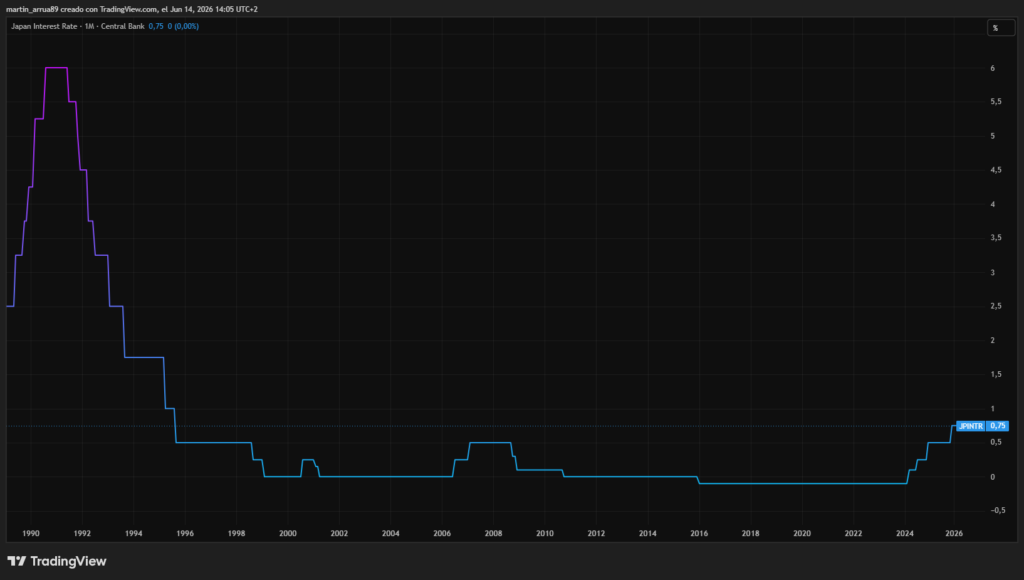
This measure seeks to contain the inflationary pressures faced by Japan, but it could also have an impact on global liquidity and affect assets considered risky, such as bitcoin (BTC).
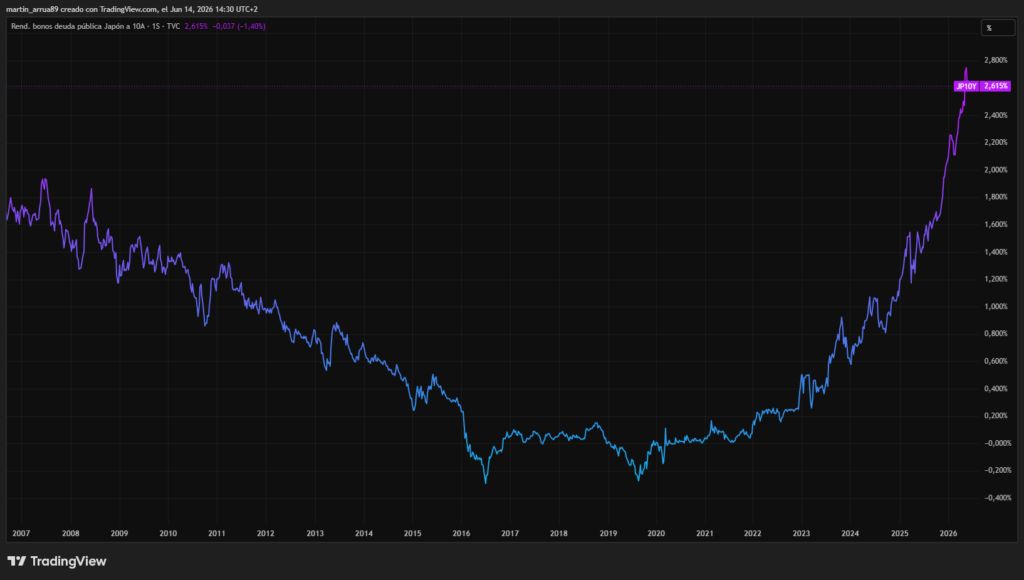
The expectation of monetary tightening is already reflected in the Japanese market. The 10-year government bond yield recently hit its highest level since April 2008, as seen in the chart below:
The meeting will also have a peculiarity: the governor of the BOJ, Kazuo Ueda, will not participate because remains hospitalized for treatment of an infected liver cyst. However, analysts believe that his absence will not alter the course of the institution.
“Ueda’s absence will not affect the BOJ’s institutional decision to focus on rising inflation risks rather than risks to growth from the conflict in the Middle East,” said Saisuke Sakai, senior economist at Mizuho Research Institute.
The risk is in the carry trade
The markets’ concern is not so much focused on the rate increase itself, but on its possible consequences on the so-called carry trade.
As CriptoNoticias previously explained, this strategy consists of requesting loans in yen (historically one of the currencies with the lowest interest rates in the world). to invest that money in assets that offer higher returns in other countries.
For years, this mechanism helped fuel global liquidity and favored demand for stocks, bonds and assets considered risky, such as BTC.
However, when Japanese rates rise, the profitability of that strategy decreases. Consequently, Some investors choose to close positions, sell assets and repatriate capital to Japan.
Albert Edwards, financial markets analyst, warned of this scenario in May 2025. “If the Japanese bank’s higher yields attract Japanese investors to return home, the reversal of the carry trade “could cause a loud sucking sound in US financial assets,” he said.
For this reason, he added that investors should pay special attention to the evolution of the Japanese market. “I would consider trying to understand and track the rising long end of the Japanese market as the most important thing for investors right now,” he said.
Inflation is the priority again
The possible rate hike reflects a change in approach within the Bank of Japan. After decades of combating economic stagnation through extraordinary monetary stimuli, the entity now faces risks associated with inflation. Among them are the rise in energy prices, the increase in import costs caused by the weakness of the yen and the shortage of labor.
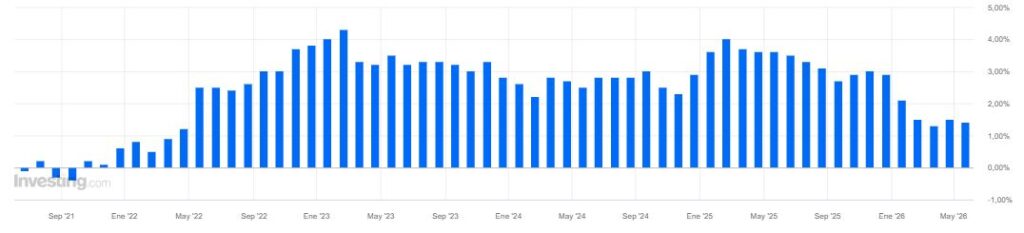
Although Japanese inflation it slowed slightly from 1.5% to 1.4% between April and Maythe central bank considers that inflationary pressures are still present.
For that reason, markets will be especially looking for signs about the pace of future increases when Vice Governor Shinichi Uchida holds his post-meeting press conference. “Although Uchida is considered one of the more moderate members of the board, he will probably try to be quite aggressive to avoid causing unwanted falls in the yen,” pointed out Nobuyasu Atago, chief economist at the Rakuten Securities Economic Research Institute.
A possible relief from the Middle East
The geopolitical context could also influence the Bank of Japan’s future decisions and the markets’ reaction.
On June 13, US President Donald Trump assured that an agreement with Iran would be signed this weekend and that, immediately afterwards, the Strait of Hormuz would be reopened to maritime traffic.
The relevance of this maritime passage is enormous. Before the conflict between the United States, Israel and Iran, approximately a quarter of the world’s seaborne oil trade and nearly 20% of liquefied natural gas circulated through Hormuz.
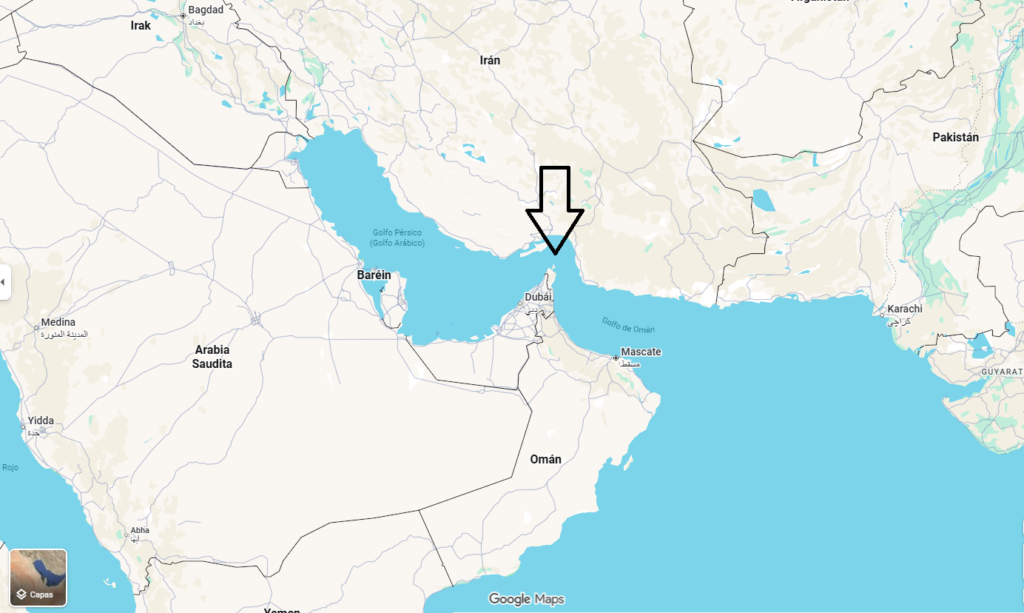
An effective reopening would contribute to reducing part of the inflationary pressures that currently worry central banks, including the Japanese one. This possible relief has already had a favorable reaction in the market. Proof of this is that, At the time of publishing this article, BTC remains above $64,000.
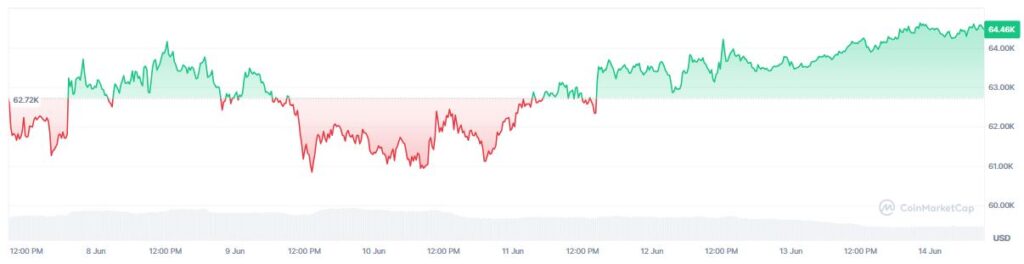
For now, markets appear to be taking a cautious stance. And while many investors’ attention remains focused on the US Federal Reserve, the Bank of Japan’s next decision could become one of the most important factors for global liquidity during the second half of 2026.