Operations will have daily limits of USD 1,200 per person, due to regulatory issues.
The service goes into operation next Thursday, April 30.
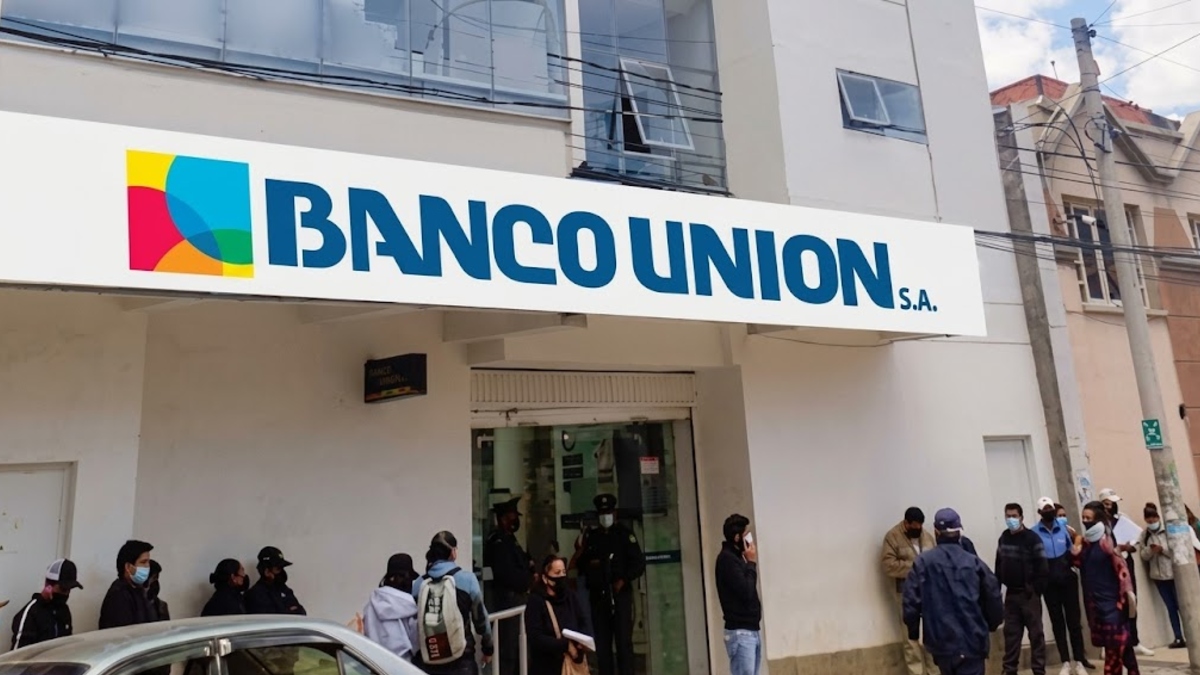
Banco Unión, an entity controlled by the Bolivian State, announced the integration of the USDT stablecoin into its financial ecosystem through its Yasta wallet.
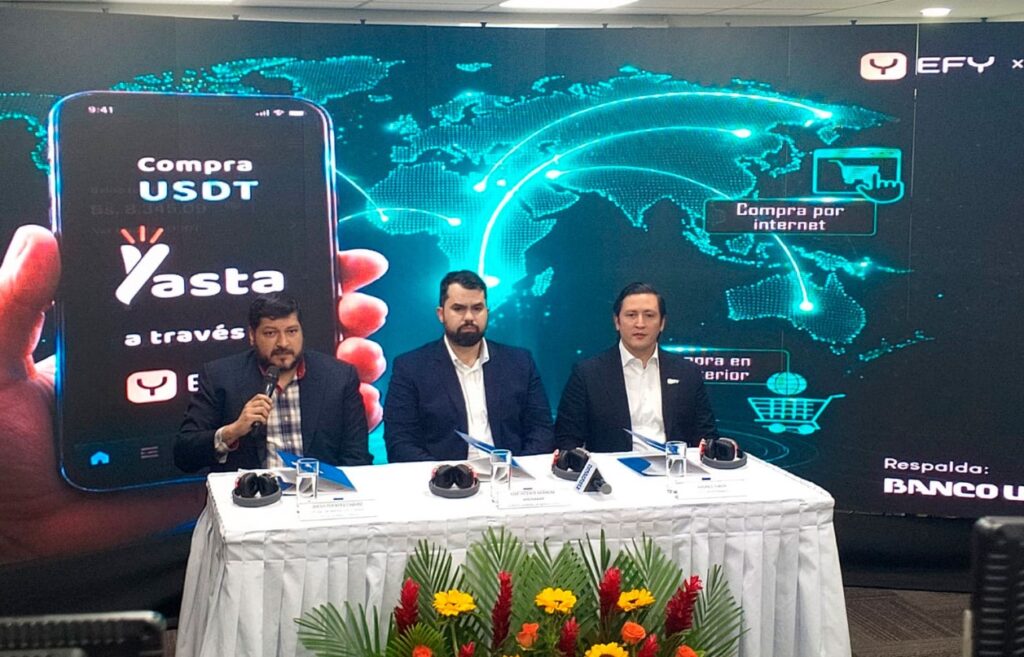
Through a strategic alliance with the Salvadoran platform EFY Finance, users will be able to convert bolivianos into USDT to carry out cross-border transactions, online purchases and remittances. The service will enter into official operation next Thursday, April 30.
José Vicente Herrera, manager of Banco Unión, explained that this functionality allows citizens to connect with a global system, overcoming current geographical limitations.
“Our users will not only be able to manage their finances in a simple way, but also connect with a global system, carry out transactions without borders, pay and move with greater freedom,” said Herrera.
To access the purchase of USDT at Banco Unión, clients must use the balance of their Yasta account via the EFY Finance app.
Diego Fuentes, Innovation Manager of the bank, assured with this new functionality, “we want our users to be able to buy USDT easily, safely and instantly, as well as make payments and purchases abroad.” “Yasta is designed so that Bolivians can manage their finances without borders and with total freedom, whether inside or outside the country,” he said.
The executive also clarified that the exchange rate for each USDT on the platform will be “transparent” and noted that they give users an advantage “because it is below what common platforms are.” At the time of writing this report, USDT is trading in Bolivia at an average of 10.3 bolivianos on the Binance P2P market.
However, he explained that, for regulatory reasons, individual operations will have a daily limit of 8,250 bolivianos (approximately $1,200).
The launch of this service from Banco Unión and its Yasta wallet put an end to a wait of almost a year after the first announcements about this integration. In August 2025, the alliances between these entities and the projects planned to enable operations with USDT were reported.
Despite the state opening, critical voices persist. Pedro Rey, Bolivian cryptocurrency enthusiast, pointed out It is paradoxical that Banco Unión leads this change after years of having blocked accounts related to P2P operations.
Rey stressed that, although it is an advance for mass adoption, many users will continue to prefer self-custody wallets to maintain sovereignty over their funds outside of traditional banking control.
This initiative by the state bank is part of a transition of the Bolivian financial sector that began to accelerate at the end of 2025. In November of that year, the Minister of Economy, José Gabriel Espinoza, announced that Bolivia would integrate digital assets into the formal banking system, allowing entities to offer savings accounts, cards and loans based on these technologies, with an initial focus on stablecoins.
With this movement, Banco Unión joins the trend of local private banking. Recently, on April 9, 2026, Banco FIE launched its “Crypto Account” for the purchase and sale of USDT. Likewise, institutions such as Banco BISA, through its CriptoBISA platform, and the Banco de Crédito de Bolivia (BCP) already operate with digital assets, offering custody and marketing services for the Tether digital currency, as reported by CriptoNoticias.