PrivateHash works under a cloud mining model, in which the user rents hashrate.
The minimum invoice is 50,000 sats (USD 40) and is paid in Lightning or Bitcoin on chain.
PrivateHash, a service that allows you to buy Bitcoin mining power (hashrate) by paying with satoshis (sats) and receive the mined sats in exchange, was launched today, May 4, by Parman, a bitcoiner developer specialized in privacy and decentralization. Parman’s stated goal is to “help decentralize mining.”
The platform works under the model known as cloud mining, in which the user rents remote processing power instead of operating their own hardware, which facilitates access to mining.
Parman also explained that the hashrate goes to OCEAN, a mining pool that uses its DATUM protocol for miners to build their own transaction templates, which decentralizes the selection process compared to large pools.
However, Parman did not clarify whether PrivateHash users can choose their own transactions or, when using this new platform, the choice of those templates falls to the PrivateHash team, which manages the hashrate rented by users.
So that users can verify that the hashrate is indeed directed to OCEAN, Parman explains that PrivateHash offers a transparency mechanism: the user can generate a message signed with GPG (a public key encryption standard) which links your payment address to your mining addresscreating a publicly verifiable record. If PrivateHash operated differently than promised, anyone could detect it.
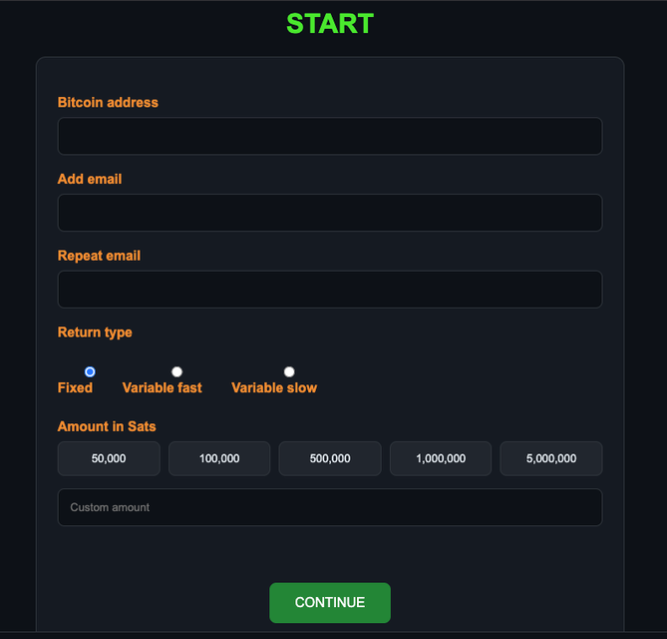
On the other hand, to mine on this platform, users must pay a Minimum invoice of 50,000 sats (currently USD 40) through the Bitcoin Lightning Network (LN) second layer network or the main layer. This payment is converted into hashrate and the user receives back the sats mined with that power, minus a commission. Does not require identity verification (KYC).
Parman bets on a decentralized network
PrivateHash isn’t Parman’s only recent release. As reported by CriptoNoticias, he also developed ParmanodL, a pre-configured laptop to run a Bitcoin node, manage wallets and practice solo mining with CPU, aimed at users looking for interact with Bitcoin without depending on centralized services.
Additionally, with ParmanodL, users can activate connections through Tor either I2P, networks that hide the IP addressa relevant measure when executing transactions if surveillance of digital activities intensifies.
Thus, in a context of mining centralization in large pools and nodes in the Bitcoin Core reference client, Parman’s developments aim to facilitate access to the participation of more people in the network, potentially turning it into a more decentralized system.