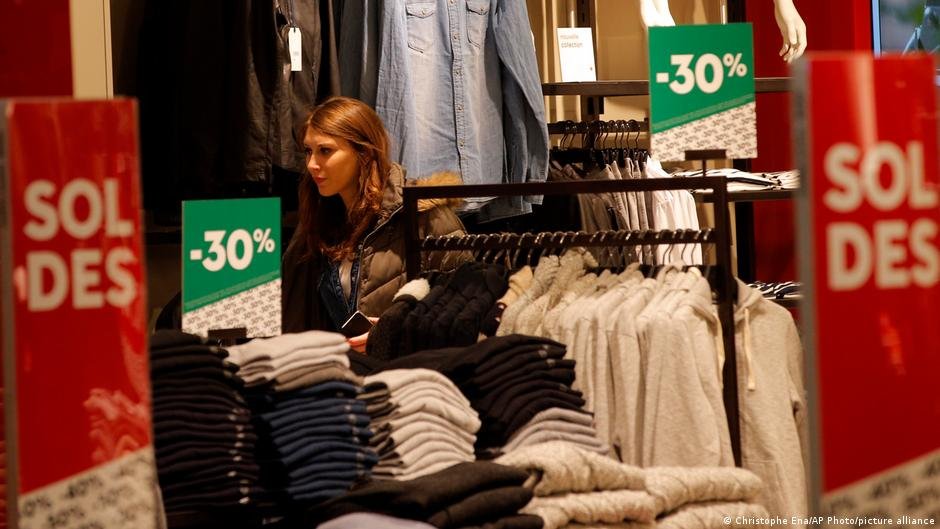
A ban on disposing of unsold clothing and shoes went into effect across the European Union on Sunday, in the bloc’s latest move to cut waste.
Hundreds of thousands of tonnes of fashionwear are lost every year in the 27-member EU due to damage, old stock and returned online orders.
The new regulation is expected to hit large fashion retailers, wholesalers and apparel manufacturers – only 20% of which are produced in the EU.
What are the new rules?
Under the EU’s EcoDesign for Sustainable Products regulation, large companies with more than 250 employees and a net annual turnover of more than €50 million are banned from destroying stocks of unsold clothing, accessories and shoes.
Companies now have to find ways to sell products, including discounts, alternative markets, and charity donations.
According to a post on the European Commission’s website, unsold clothing can only be destroyed if the items are unsafe, damaged, counterfeit or rejected by the charity.
Companies are now required to publish annual reports and keep records for five years on the goods they have discarded.
The regulation, which was approved by Brussels more than two years ago, will be extended to medium-sized firms in 2030.
How big is the issue of fashion waste?
Concerns about so-called fast fashion – low-cost, low-quality mass-produced clothing – have grown significantly over the past decade.
According to the European Environment Agency (EEA), approximately 4% to 9% of unsold textile products are destroyed every year.
The rapid increase in online shopping and returns has led to increased wastage.
Across the European Union, one in five fashion goods ordered online are later returned to the retailer and not resold.
Combined, these amount to hundreds of thousands of tons of clothing, accessories and shoes.
The new ban aims to help reduce the impact on the environment, as the burning of millions of pieces of clothing hampers efforts to cut greenhouse gas emissions.
EU states are also under pressure to consider waste from raw materials, water, energy and transportation in the apparel sector, and to encourage more recycling and reuse of products.
In a recent LinkedIn post, the EEA said the bloc wants the textile industry to become more sustainable.
“A circular economy – where products are designed to last longer, and are reused, repaired and recycled – is no longer just a vision, but is being enshrined in law through these new legislative measures,” the EEA wrote.
The fashion industry has repeatedly defended its strategy, noting that disposing of products is often cheaper than storing, repairing or discounting them.
What is the reaction to the ban?
The German Retail Federation (HDE) said the ban would benefit consumers as more discounted apparel would be put on sale through outlets, clearance markets and second-hand channels.
However, HDE managing director Stefan Genth warned that the rule change would be a challenge for many stores.
“Not all unsold goods can be easily resold or donated,” he said, due to damaged packaging, high logistics costs, lack of demand or low product values.
Edited by: Sam Dusan Inayatullah
Don’t let algorithms hide news. If you rely on our team for reliable reporting, please take a moment to choose us as your Click here to view your favorite news sources on GoogleThat’s why you’ll always see our verified news first.